CHANTILLY, Va. — Police officers from across Northern Virginia gathered at Ellanor C. Lawrence Park Thursday to take part in an annual effort to prevent crashes involving trucks.
The agencies that participated included Fairfax County police, Virginia State Police, the Loudoun County Sheriff’s Office and several others.
“We usually do this at the beginning of the spring,” says Fairfax County Police Officer Dan Johnson.
Officers stationed off Virginia Route 28 in Chantilly pulled truck after truck to the side of the road for a thorough inspection. They examined vehicle components including the brakes, lighting and steering. They also checked to make sure the driver had a proper license.
“We see a lot of problems with tires and brakes,” says Johnson. “If they’re too dangerous to be out on the road, we take them out of service.”
If authorities discover an issue, the driver is forced to stay put and remedy the problem.
“They have to fix what’s mechanically wrong with the truck or they have to get towed,” Johnson says.
The operation typically leads to dozens of truck inspections.
“A lot of the drivers are appreciative, because if their truck’s not safe, they want to know too,” says Johnson.
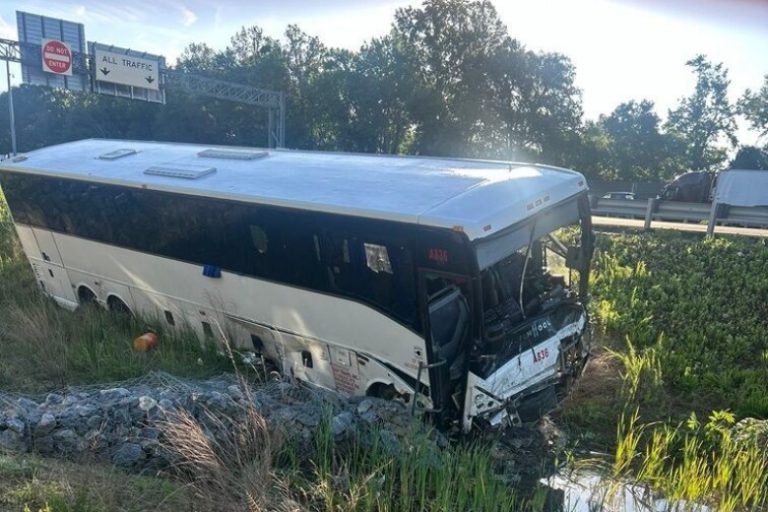
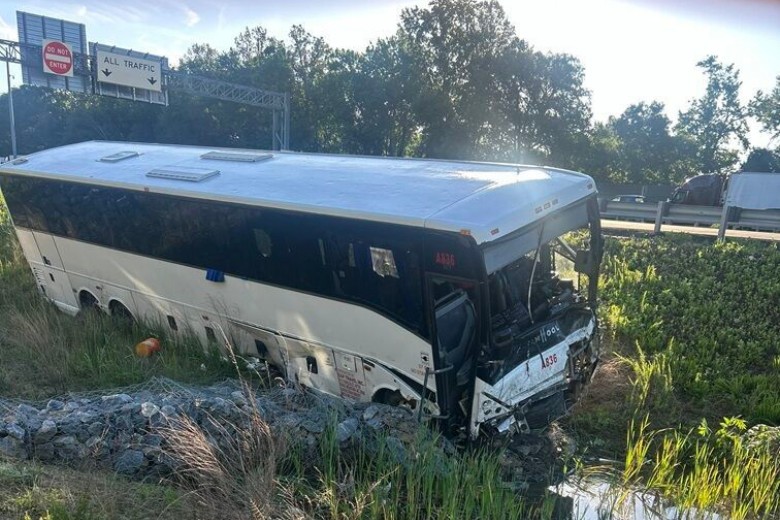
Truck crashes are commonplace in the D.C. region. Wrecks involving commercial trucks can be deadly but they also be a nuisance — especially if the timing and location interferes with commuters.
Earlier Thursday morning, a box truck overturned on the Capital Beltway in Montgomery County closing all lanes of the Inner Loop until 6:50 a.m. It was unclear what caused the crash.