Metro riders could see more service next year if local governments can pay for it under a little-noticed bill that passed Virginia’s House of Delegates on Tuesday.
The House voted 74-23 to waive Virginia’s 3% cap on annual subsidy increases for any service increases approved by the Metro Board. Even Metro’s own studies have shown that running more and better service leads to more riders.
The bill now goes to the Senate for consideration. It would be local governments in Virginia that foot the bill though for any cost increases, not the state, since the state is not directly responsible for Metro operating funds.
A few service improvements, such as the return of some late night hours, are included in Metro’s current budget proposal, but so are major cuts to bus service to pay for those improvements within a 3% legislative cap on annual increases to what taxpayers contribute to Metro’s operating budget.
The cap has also been cited as a reason Metro cannot restore service cut a few years ago, since the baseline was set after Metro reduced rush hour rail schedules, cut back service hours and made some bus service cuts.
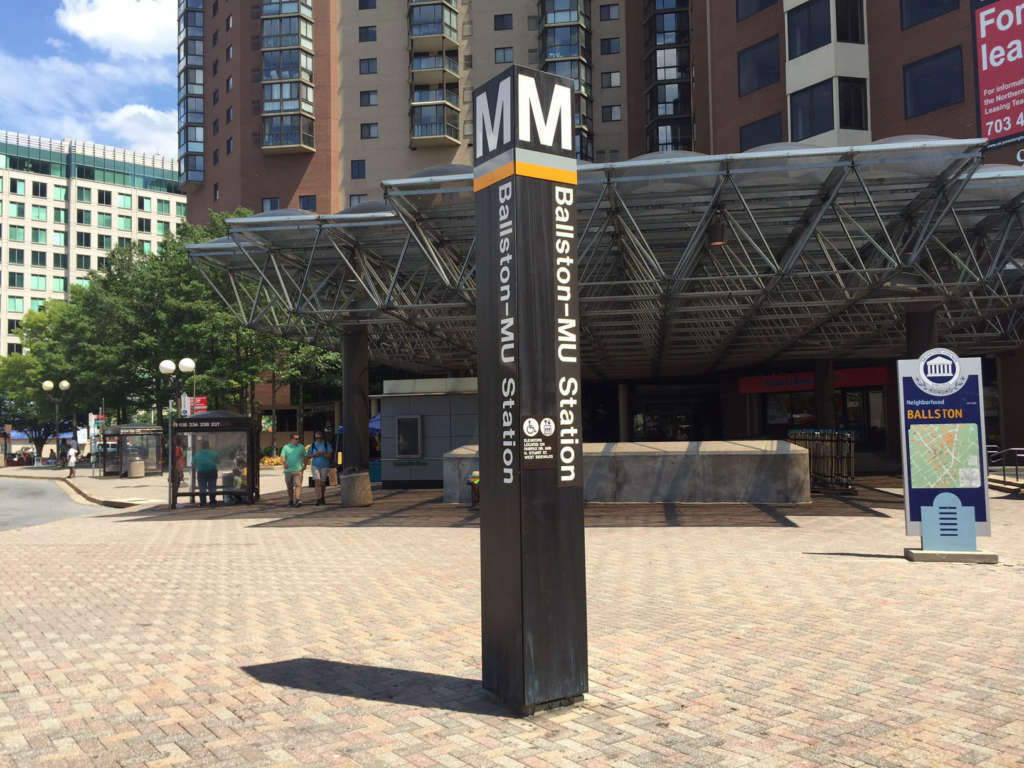
The rules already include an exception to the cap for brand-new service launched due to major capital projects such as the Silver Line extension to Dulles International Airport and Loudoun County, expected to open later this year or early next year, and the new Potomac Yard Metro station, projected to open in 2022.
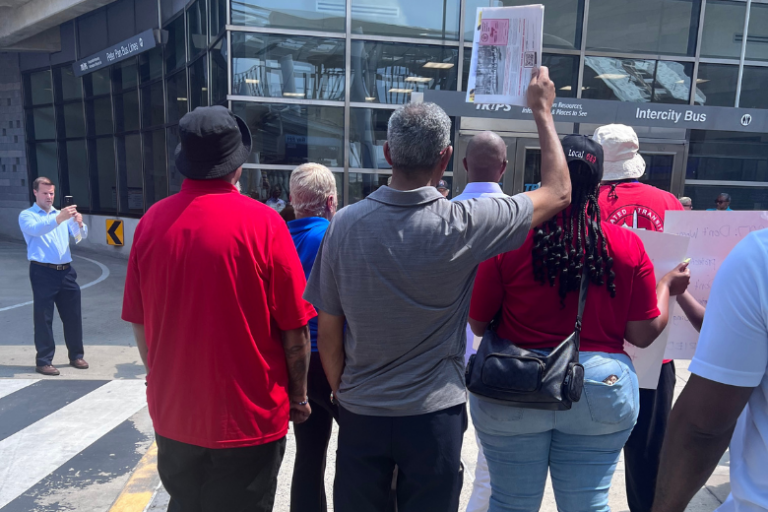
Bus cuts already sparking pushback
Strong opposition to the proposed bus service cuts quickly emerged from riders, the D.C. Council, Northern Virginia leaders and others.
In a letter sent last week, D.C. Council member Robert White and Chairman Phil Mendelson expressed “serious concern” with the bus cuts that would cut off commuters and others.
Metro has a formal budget public hearing scheduled Feb. 26 at Metro headquarters starting at 4 p.m., according to D.C. officials.
Metro has yet to formally announce the hearing schedule or the formal public comment period, but D.C. elected officials have been informed the public comment period is scheduled to run from Feb. 8 to March 2.
Comments submitted online or via email to boardofdirectors@wmata.com during that time will be considered part of the official record.
The Metro Board would then vote in April to approve the budget for the year starting July 1.
Any cost cap changes would likely apply starting with the following budget year that starts in summer 2021.