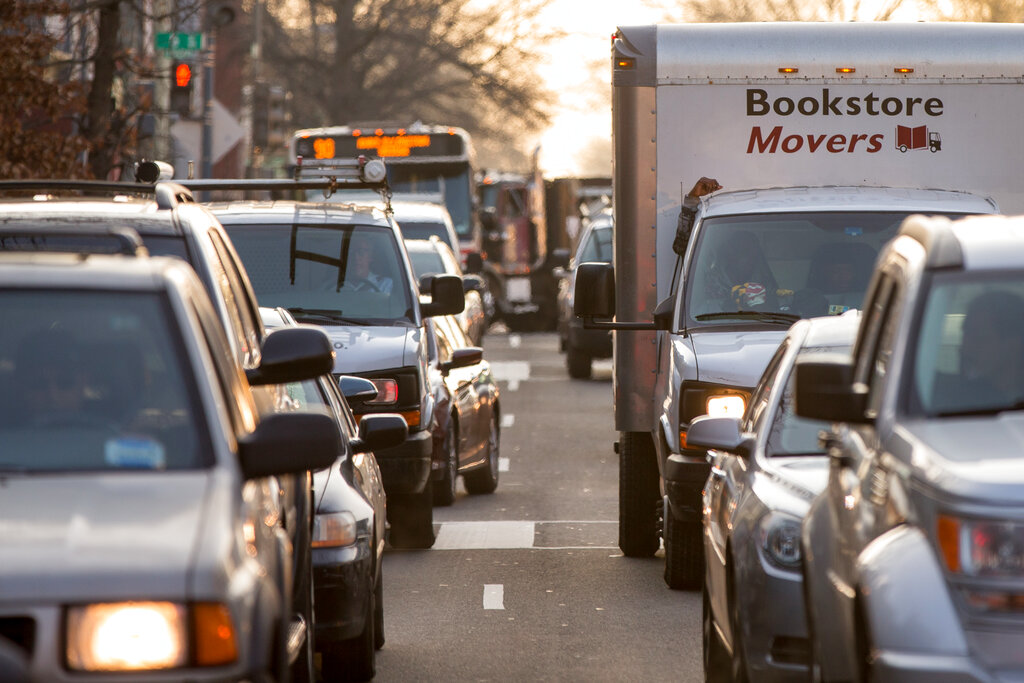
Annapolis, Maryland, and Monopoly boards have one more thing in common this holiday season: free parking.
The city announced its plan to bring back three free hours of parking at meters in downtown Annapolis between Thanksgiving, through Christmas, and into the new year. People using the ParkMobile app will be able to access a bonus hour of free parking.
Eligible parking spaces are located on Main Street, Francis Street, West Street, Maryland Avenue, Prince George Street, City Dock, Calvert Street and Market Space.
Residents will also be able to park for two hours at city-owned garages including Gotts, Knighton, Hillman and coveted monopoly square Park Place. While it’s true that there isn’t a Boardwalk garage, you can use these parking spots to cut down on your trip to the city docks.
Free parking vouchers are available to those who visit the Annapolis Parking office during business hours or the Hillman Garage after hours.
Midnight madness will also happen on the first three Thursdays in December, offering $5 parking at Knighton and Park Place, with free circulator use. Calvert Street Garage will also be free to park from 6 p.m. to 6 a.m. every weeknight.
The city hopes these parking options will encourage holiday shopping and dining throughout the holiday season.
Vouchers for two hour parking will be valid through the end of the year. Drivers without access to smartphone apps can register for free parking by calling 877-727-5758.
Meters marked for 30 minutes only are not eligible and parking enforcement for expired meters is still in effect. On Thanksgiving Day, Thursday, Nov. 25, Christmas Day, Saturday, Dec. 25, or New Year’s Day, Saturday, Jan. 1 there will be no enforcement at meters.