
Depression is a growing problem among American teenagers, and a group of researchers at Dartmouth College have found a novel way to help reduce it: playing a video game.
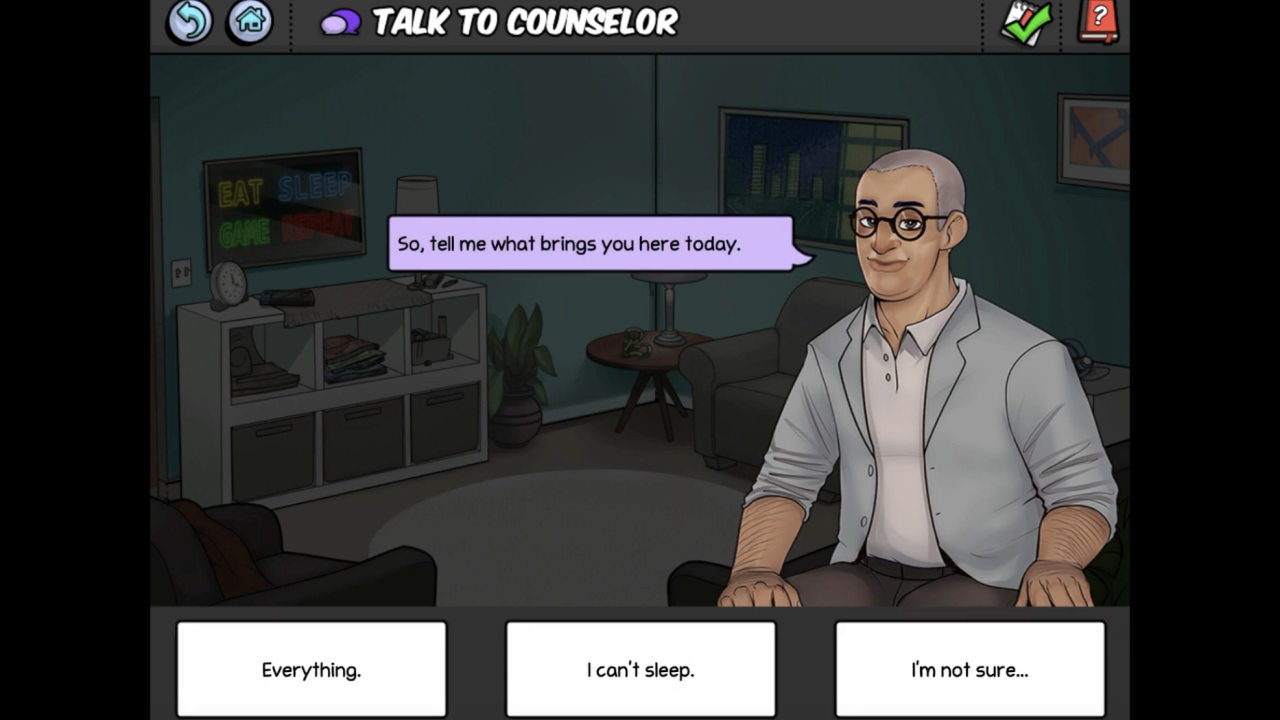
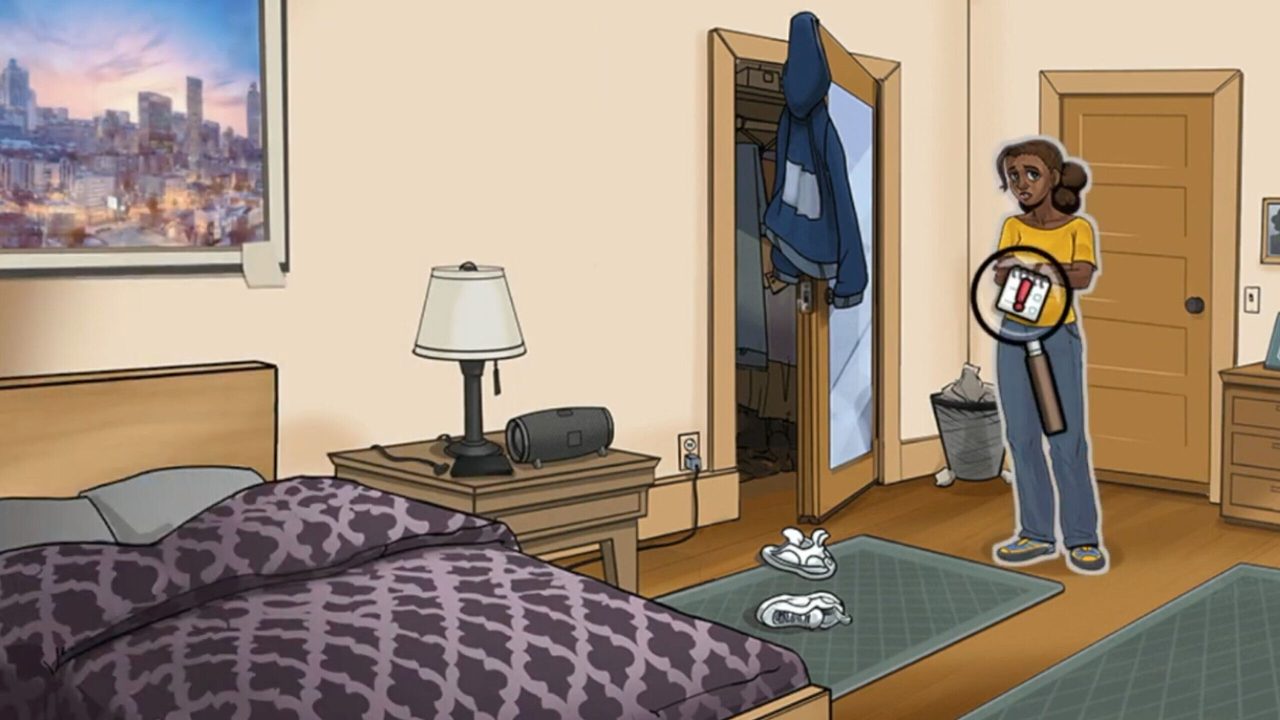
The game is called PlaySmart and it works by giving players real-life scenarios to navigate “and then they have the opportunity to interact and choose healthy options or unhealthy options,” said Caroline Barry, who is on the team at Dartmouth that developed PlaySmart.
“If they choose unhealthy options, it takes them down a track with more severe consequences.”
The game is, in some ways, like rehearsing for complicated situations that a teenager might face at home or at school “without the severe consequences of real life,” she said.
The game does not cure or treat depression, but it helps to prevent it from happening to begin with, according to researchers.
“It’s led to about a one-point difference on the depression symptom scale, comparing the PlaySmart group to the commercial games group,” Barry told WTOP. “For an individual teenager, that’s not a dramatic clinical change, but prevention is about shifting risk across large populations. So something relatively low burden and super scalable, like our game, can potentially have a meaningful impact at a population level.”
And so far the results have been positive. Barry said that they ”saw that immediately after playing PlaySmart, teenagers had more positive beliefs about psychological services, and so those early attitudinal changes appeared to explain some of the later improvement in depressive symptoms.”
Find more information about PlaySmart here.
Get breaking news and daily headlines delivered to your email inbox by signing up here.
© 2026 WTOP. All Rights Reserved. This website is not intended for users located within the European Economic Area.