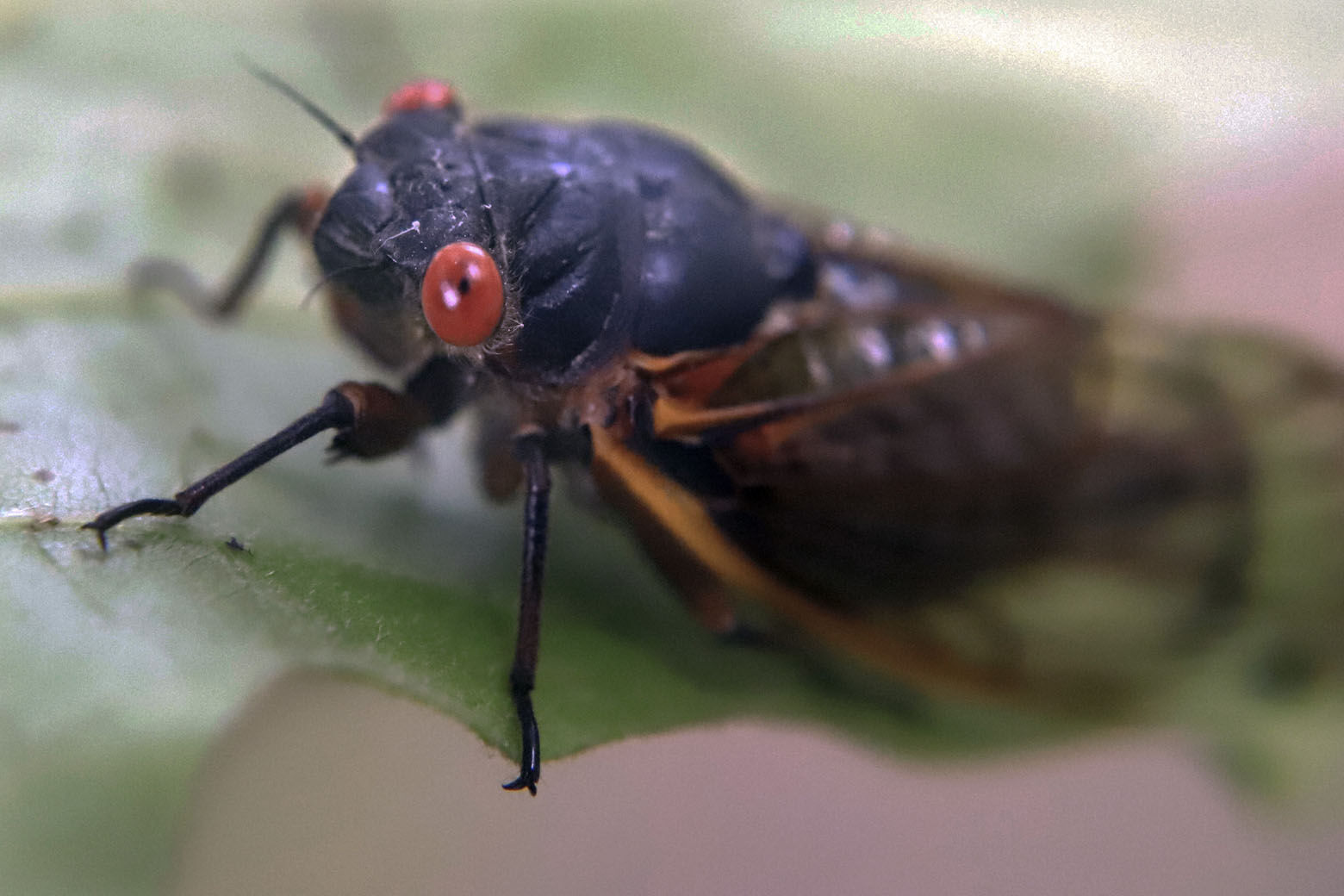
Gov. Larry Hogan is laying out the red carpet for the arrival of Brood X cicadas, declaring the months of May and June to be “Maryland Magicicada Months.”
The governor signed an official proclamation, dedicating the months to the noisy, bulging-eyed bugs.
Brood X is the largest brood of 17-year cicadas, which are set to take over parts of the D.C. region in early May. During those two months, there will be billions of the insects across a broad swath of the northeastern U.S.
“I encourage all Marylanders to take advantage of this opportunity to learn about these remarkable, harmless creatures,” Hogan said. “For a few short weeks this spring, many across the state will have a front-row seat to witness a natural phenomenon that happens nowhere else on the planet.”
Hogan’s announcement pointed out that the bugs, while clumsy and not very strong flyers, are ultimately harmless. He said the phenomena is worth taking the time to stop and appreciate.
The Maryland counties that will play host to the largest number of the bugs are: Allegany, Anne Arundel, Baltimore, Carroll, Cecil, Frederick, eastern Garrett, Harford, Howard, Montgomery, Prince George’s and Washington.
Once the cicadas emerge, they will take to the trees to mate. Within a few weeks, the adult cicadas will die off, but they will leave billions of their eggs behind in the trees. Within a few weeks, the eggs will hatch and the young cicadas will head underground for their own 17-year wait before reemerging in 2038.