The Military Outdoors Coalition, a new organization dedicated to the mental well-being of veterans, officially launches on Veterans Day. Its mission is to expand access to the outdoors for healing purposes.
Facilitated in part by the Sierra Club, the new coalition involves dozens of other organizations, including the YMCA and Blue Star Families. The coalition brings together public and private partners in health, well-being, government and education to develop outdoor programs for U.S. vets.
“We know that therapeutic outdoor adventure is an extremely effective modality for treating veterans, particularly veterans who are in talk therapy at the same time, for things like depression or feelings of isolation or feelings of loneliness,” said Aaron Leonard, incoming chair of the Military Outdoors Coalition and senior campaign representative for the Sierra Club Military Outdoors.
“There is no single voice that represents all of us who provide those therapeutic services in the United States. Nobody that speaks for us on policy matters on Capitol Hill and in state capitals. Nobody to coordinate or synchronize research opportunities. That single voice is missing,” he said.
Leonard, who is a retired lieutenant colonel in the U.S. Army, is also program director for Another Summit, a community-based therapeutic outdoor adventure program supporting veterans and first responders in Putnam County, New York. Through Another Summit, Leonard leads therapeutic hiking, backpacking, paddling and winter trips in the Hudson Highlands and Catskill Mountains.
Leonard says the focus is on those who haven’t sought help.
“For some reason that they barely know, they live with their trauma bottled up inside and they take it with them to their graves,” Leonard said. “So we want to give them an opportunity to come out and be part of a social network be part of the experience that veterans have in the outdoors with us and begin to heal themselves.”
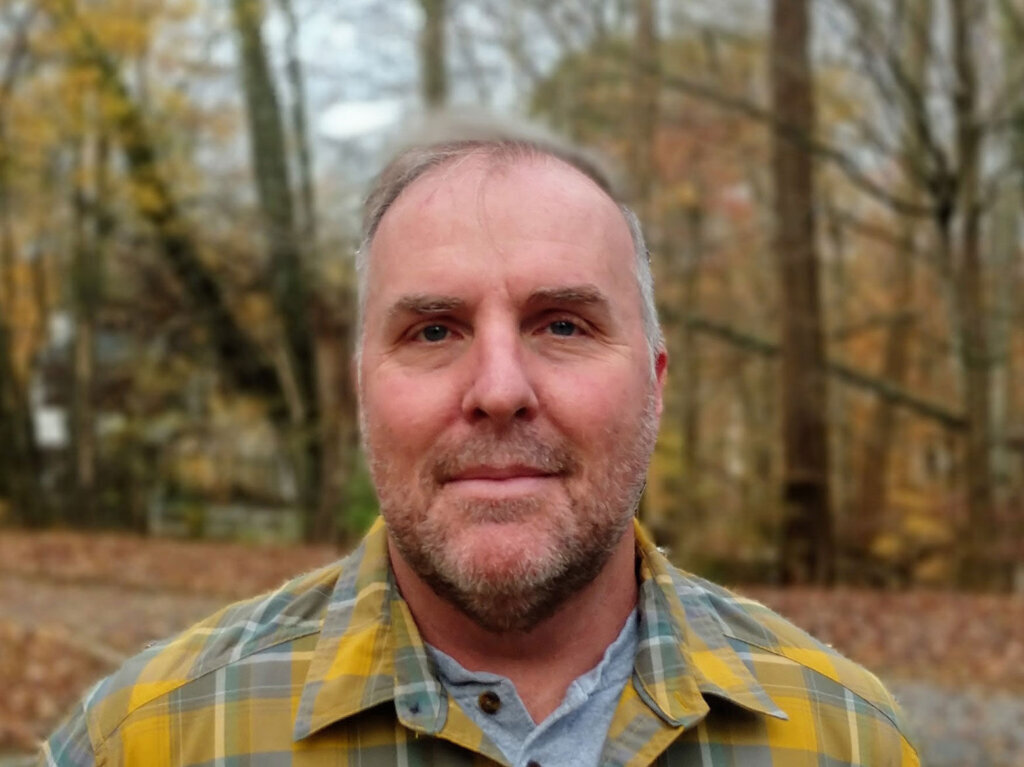
Leonard said creating equitable opportunities involves realizing everyone might not want to sleep on the ground or go backpacking.
“The parks that are in the neighborhoods where people live can provide the same benefits, especially when it’s done in a way that’s structured appropriately for the environment, and for the group,” he said.
As for folks more independently minded?
“We’re going to increase the opportunities they have to access and enjoy our parks and public lands — the same parks and public lands they swore an oath to defend when they first enlisted on their own time instead of having to wait for somebody like us to come along … To give them the tools they need to recreate on their own,” Leonard said.
The Accelerating Veterans Recovery Outdoors Act that was passed as part of the Veterans COMPACT Act will make it easier for vets to use the outdoors as part of their medical treatment and therapy.
Under the Accelerating Veterans Recovery Outdoors Act, the Department of Veterans Affairs (VA) was instructed to establish a task force to examine how to incorporate therapeutic outdoor adventure in the VA system. If recommendations are enacted, it could result in the largest outdoor program in the United States.
You can sign up to receive additional information about the coalition and to tell the VA to fast-track the Task Force on Outdoor Recreation for Veterans on the Sierra Club website.