People who develop heart failure are 73% more likely to die if they have HIV, compared with people with heart failure who are not infected.
The new national research compared people within the same geographic areas who shared the same age, gender and race from three Kaiser Permanente health systems and the Mid-Atlantic Permanente Research Institute. It’s published in the European Heart Journal Open.
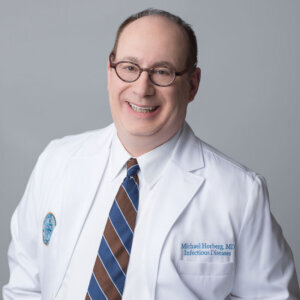
“A 73% difference is meaningful,” said Dr. Michael Horberg, primary investigator of the study for the Kaiser Permanente Mid-Atlantic States region and director of HIV/AIDS and STD for Kaiser Permanente.
Noting that data on 425,000 patients was evaluated, Horberg, who also is executive director of the Mid-Atlantic Permanente Research Institute, said “When the numbers get that big, even little changes can become significant.”
This study also found that people with HIV and heart failure are at higher risk of death from any cause compared to people who have heart failure without HIV.
Aging people with HIV often develop cardiovascular, kidney, liver, bone and neurological disease.
“But, interestingly, heart failure has not really been studied as a discrete, separate condition in HIV, and this was really new and novel — and in fact was so novel that the NIH (National Institutes of Health) actually funded the study,” Horberg said.
Horberg has practiced HIV medicine since 1988, and said he feels blessed to be able to do the research and publish the paper, and then be able to turn the findings into real change.
“My colleagues now, we’re attuned to this issue of heart failure. My colleagues we’re attuned to the issue of diabetes and risk in this patient population,” he said. “It’s wonderful to be able to take what you learn and put it into action.”
Horberg’s message for people with HIV is to be sure to take your medicines and do what’s needed for a healthy lifestyle: exercise, stop smoking and recreational drug use, and if you drink alcohol do so in moderation.