The fourth in a series by WTOP’s Kate Ryan on local high school seniors and how they’re coping with the effects of the COVID-19 pandemic on the end of their school careers.
Student: Anna Kasun, 18
School: Tuscarora High School, Leesburg, Virginia
Honors: Valedictorian
Future: Columbia University, New York City
Planned Major: Film/Media Studies
Ask Anna Kasun, the valedictorian of the Tuscarora High School senior class, what it’s like to graduate during a global pandemic, and she says, “It’s not what we expected, but it’s what we’re going through.”
Leaving the friendships of four years behind without the type of graduation she’d always envisioned will be tough, Kasun said. “It just feels like everybody’s a family.”
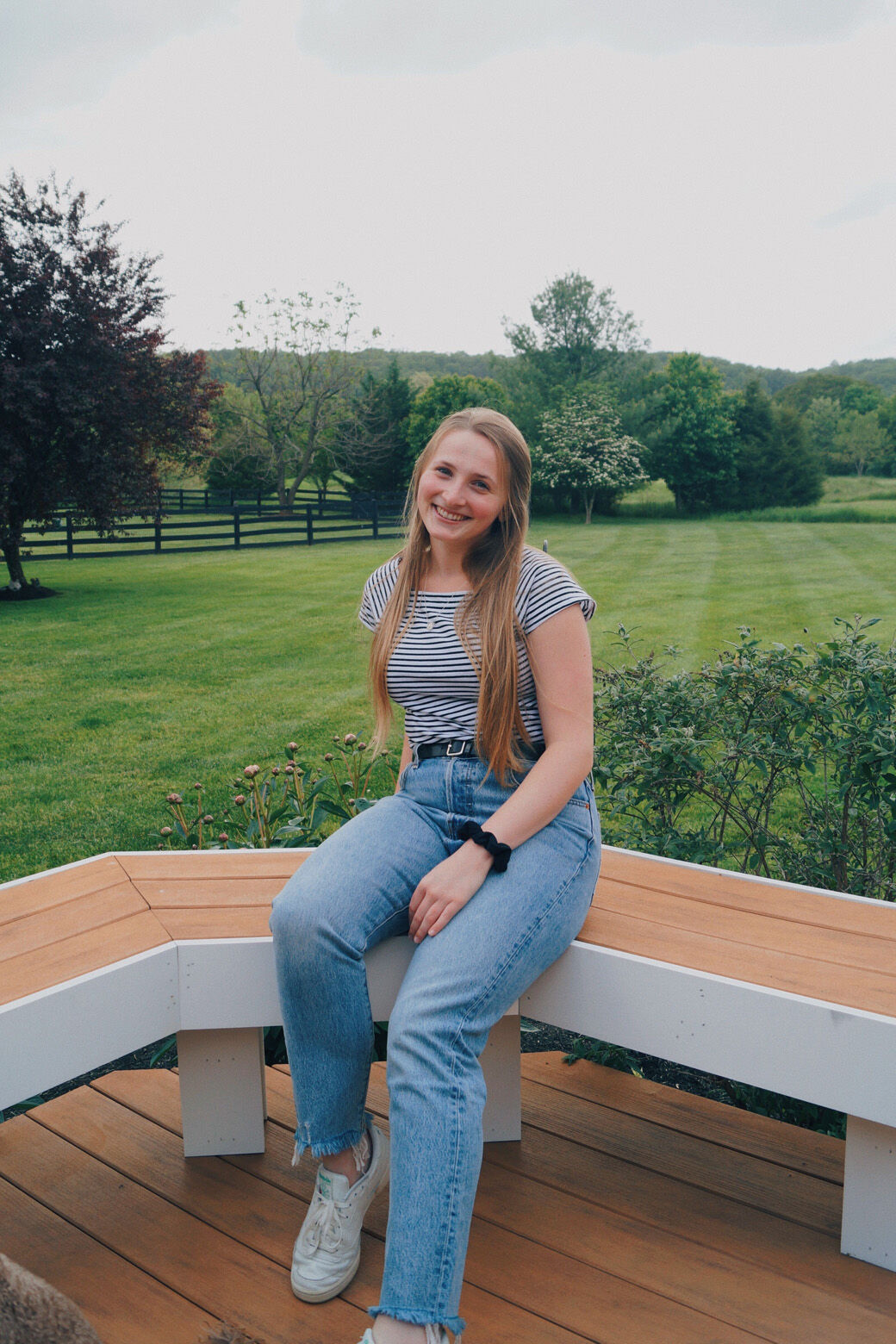
The administration is holding a virtual graduation June 11 with an in-person ceremony at a later date. “It’s evident that people are trying to make this the best that they can for us,” Kasun said.
She’d planned on being able to savor the final weeks of the year with the chance “to say what you always wanted to say, or ask that one person you always wanted to ask to prom — stuff like that.”
Still, Kasun said it’s the close friends she’ll miss the most. And as some of the restrictions imposed by the pandemic eased, the chance to get time with her friends became especially precious.
“The time apart makes those moments more special, because you don’t know when you’re going to see them again.”
Kasun said the pandemic and all the uncertainty it’s generated changed the way she views adulthood. She said she used to think “When you’re older, you’ll have all the answers — that everything is going to be easy and you’ll know what to do.”
She’s had some truly anxious moments during the pandemic, but it’s also taught her “to be more appreciative of the moments and the people, and all the opportunities that I have at my fingertips.”
Kasun will attend Columbia University in New York City. She plans to major in film and media studies and take some economics courses.
When talking about which teachers influenced her the most, she immediately named two. There’s Mr. Wheelbarger — “Coach Wheels, we call him,” Kasun said. “He’s always supported me, always encouraged me to be creative.”
COVID-19 and the Class of 2020
- Prince George’s graduate remains unstoppable
- Fairfax Co. graduate was forced into a big adjustment
- Montgomery Co. future scientist on what students really think of school
- Loudoun grad: ‘We’re all going to have a special bond’
- 2 DC grads talk about expectations and frustrations
Then there’s Mr. Daniel, who teaches drama. “The theater department is my family,” she said.
The list grows to include her Advanced Placement Literature teacher, Ms. Hausman: “I love her class so much!”
Finally, there’s senior adviser Mrs. Austin “She is incredible! Just a great person to come talk to.”
Kasun said the experience her peers are going through will leave its mark on them — but she sees a positive. “We’re all going to have a special bond because of it, and it’s something that we’ll be able to look back on. And I think that’s really powerful.”