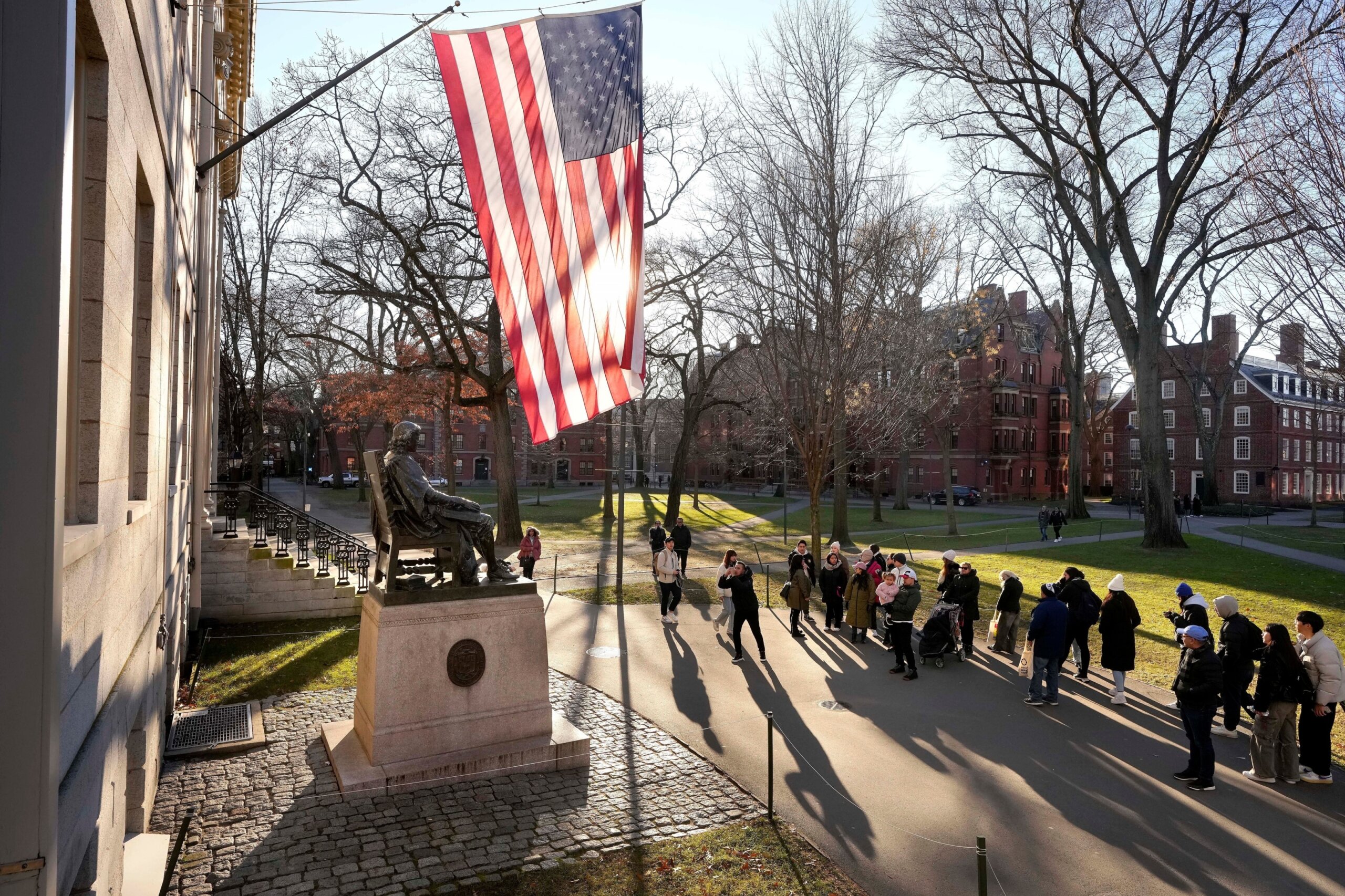
The George Washington University in D.C. will hold all undergraduate classes online in the fall semester.
The university said in a statement Monday that they made the decision after looking at a resurgence of the coronavirus nationwide and in the area, and speaking with students and faculty.
Students with “extenuating personal or academic circumstances” will be allowed to live in the dormitories, but their classes will still be online, the university said.
Graduate-level classes will be mostly online, with a few exceptions for certain classes in certain disciplines that require face-to-face instruction.
The university will also give a 10% discount to undergraduate students at the Foggy Bottom campus who do not live on campus.
- Sign up for WTOP alerts
- Latest coronavirus test results in DC, Maryland and Virginia
- DC’s order to self-quarantine affects travelers from 27 states
- Mayor Bowser issues new mask order for DC
- Prince George’s County to inspect school, park fields for COVID-19 compliance
- Coronavirus vaccine being tested in DC region shows promise
Looking for more information? D.C., Maryland and Virginia are each releasing more data every day. Visit their official sites here: Virginia | Maryland | D.C.
“We know just how much many of you were looking forward to being on campus this fall, and we understand that this news is disappointing,” the university said. “However, we must always make the decisions that best support the health, safety and care of our community while fulfilling our core academic mission. While this has been an extraordinarily hard choice, we believe it is the best path forward for GW.”
How did current GW students react to the move?
“I think it’s really frustrating that they kind of waited until the last minute after a lot of our peer schools, especially in the D.C. area, have already given a much more detailed plan than us,” said 19-year-old Ruby Samim, a junior majoring in public health with a minor in political science.
“They kind of remained vague until the very last minute, when people have already signed leases, quit their jobs at home, and I think it really prioritizes wealthier students versus students who aren’t as wealthy as the average GW student,” she added.
Samim was supposed to be a resident adviser, but because she’s new to the position, she’ll have to wait for any R.A. opportunities on campus. “I was supposed to leave in 10 days,” she said.
Though she supports the online move from a public health standpoint, she’s concerned for students who rely on campus housing, and said the university should’ve made the call earlier.
Junior Zachary Nosanchuk is the senate chief of staff for the GW Student Association, and though he also noted that the decision was late, he still appreciated it because it prioritized student health.
The 19-year-old was supposed to go abroad in the fall, and he had gotten an on-campus apartment with his roommates, but with the new decision, he and his friends have to scramble to find another living arrangement if they want to live in D.C.
“It’s definitely upsetting to think that these sort of key years in my life are going to be used in this sort of virtual capacity. I’d much rather be with my friends on campus and going to all the cool places I’ve been going to and doing in-person internships,” he said.
But, Nosanchuk added, he’s trying to put it all in perspective as he understands his ordeal is nothing compared to front line health care workers.
Charlie Panfil is a junior studying political science with minors in American studies and history, and will go on to pursue a master’s at the university after he graduates. He has a remote internship and can stay home in Toledo, Ohio, but he’s missing that D.C. experience he expected for his career.
Panfil said online learning has “much more diminished value” than in-person learning, adding, “We’re essentially going to be going to ‘Zoom University’ and the best they can do is 10% [discount] to me doesn’t seem realistic.”
He said that GW “has done a lot better than other schools” at responding to the COVID-19 pandemic, bringing up the university’s actions when they sent students back home in the spring.
“I think where GW needs to be better is how they’re going to be treating our faculty and also low-income students or students who depend on GW for jobs, housing and other opportunities,” he said.
He added that he wanted the university to ensure the better treatment of its adjunct professors, who he credited to his educational experience.
“You can tell us in an email that you care about us, you care about faculty, but then they’re going to cut adjunct professors, they’re going to cut the people that make our GW experience,” Panfil said.
WTOP’s Teta Alim and Mike Murillo contributed to this report.