
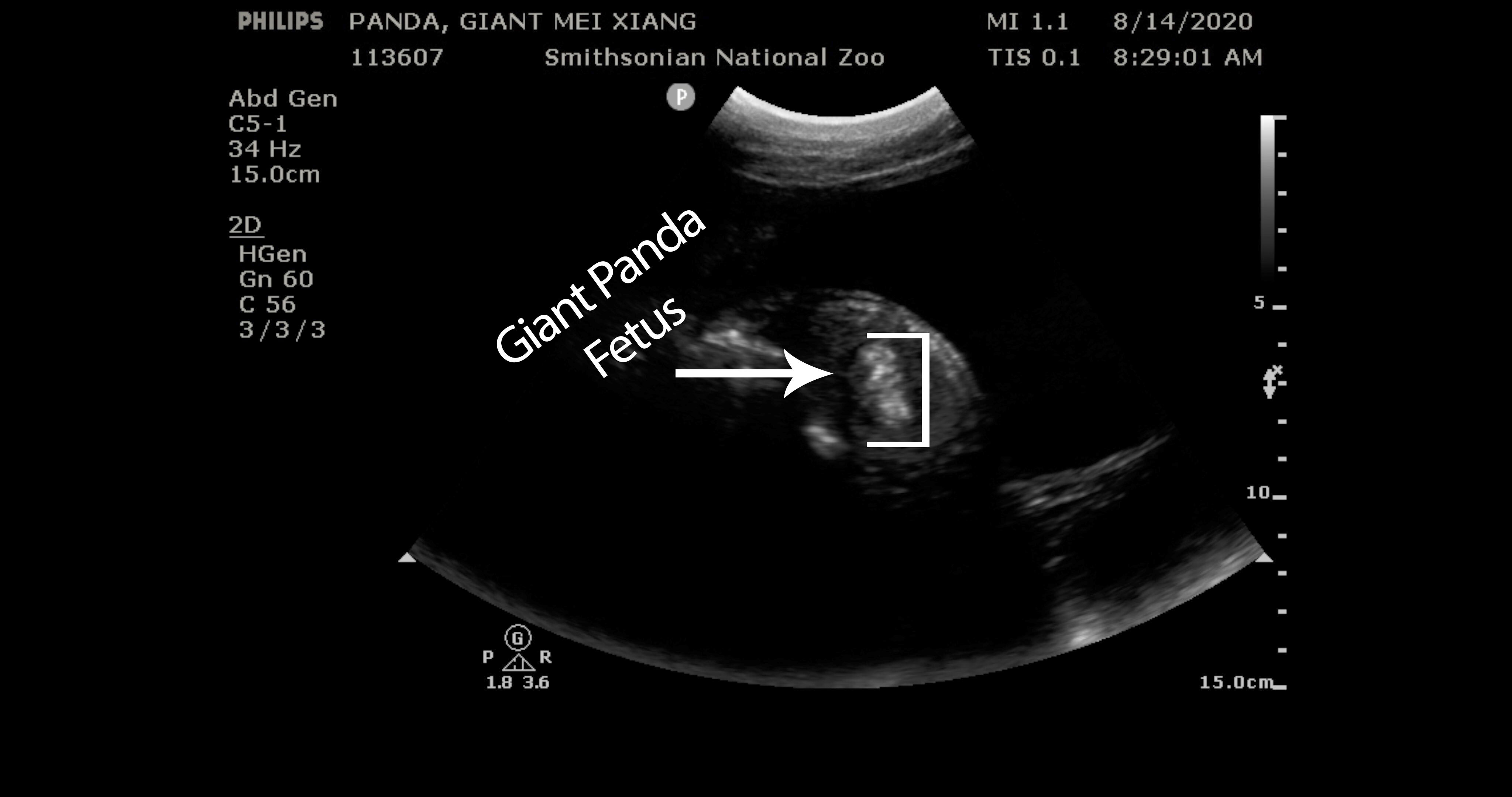
The Smithsonian’s National Zoo in D.C. said Friday that a recent ultrasound of Mei Xiang, one of their resident giant pandas, showed signs of fetal tissue, which could mean she may be expecting cubs in the very near future.
If it continues to develop, the 22-year-old panda could give birth to a cub within days — but don’t break out the champagne just yet.
Successful panda pregnancies are hard to come by and veterinarians warn that there is a good chance Mei Xiang could reabsorb or miscarry the fetus.
Still, zoo officials are remaining optimistic that this could be the real deal.
“This morning’s ultrasound is just tremendously exciting for all of us,” said Pamela Baker-Masson, a spokesperson for the National Zoo. “It’s really remarkable — she had her artificial insemination in March, on March 22, and now we have this news and it’s all been happening during the pandemic.”
So it’s just the joy and the inspiration that we all need right now,” she said.
Baker-Masson said the possibility of a Giant Panda cub this year is heartening because it represents a positive piece of news amid the coronavirus pandemic.
“It just feels particularly exciting and almost monumental this year because we have just been plowing this pandemic culture and environment, and — finally — some really, really good news,” she said.
And while she conceded that Mei Xiang may not deliver a cub this year, she said the veterinarians saw “a very definitive fetus on the ultrasound, so we’re incredibly hopeful that she’ll deliver at least one healthy cub within the next couple of days.”
The zoo’s panda house is closed to visitors to provide quiet for Mei Xiang, but the zoo maintains two panda-focused webcams for free online.
Mei Xiang was artificially inseminated in March. She has given birth to three surviving cubs over the last several years.
All three were eventually moved to China as part of a breeding agreement with the country.
WTOP’s Thomas Robertson contributed to this report.