PHILADELPHIA (AP) — Get set for a dose of American history when the World Cup hits Philadelphia this summer.
A famously cracked bell, a weathered fictional fighter and cheesesteaks are all part of the sports menu during the six matches held at Lincoln Financial Field, home of the two-time Super Bowl champion Philadelphia Eagles.
Five group stage games will be held at the 69,000-capacity stadium, featuring heavywights like Brazil and France along with Ecuador, Haiti, Curaçao, Croatia, Ghana and Ivory Coast.
The big one comes in the knockout round, a Fourth of July match exactly 250 years after the United States’ Declaration of Independence was signed in Philadelphia.
Landmarks and places to see
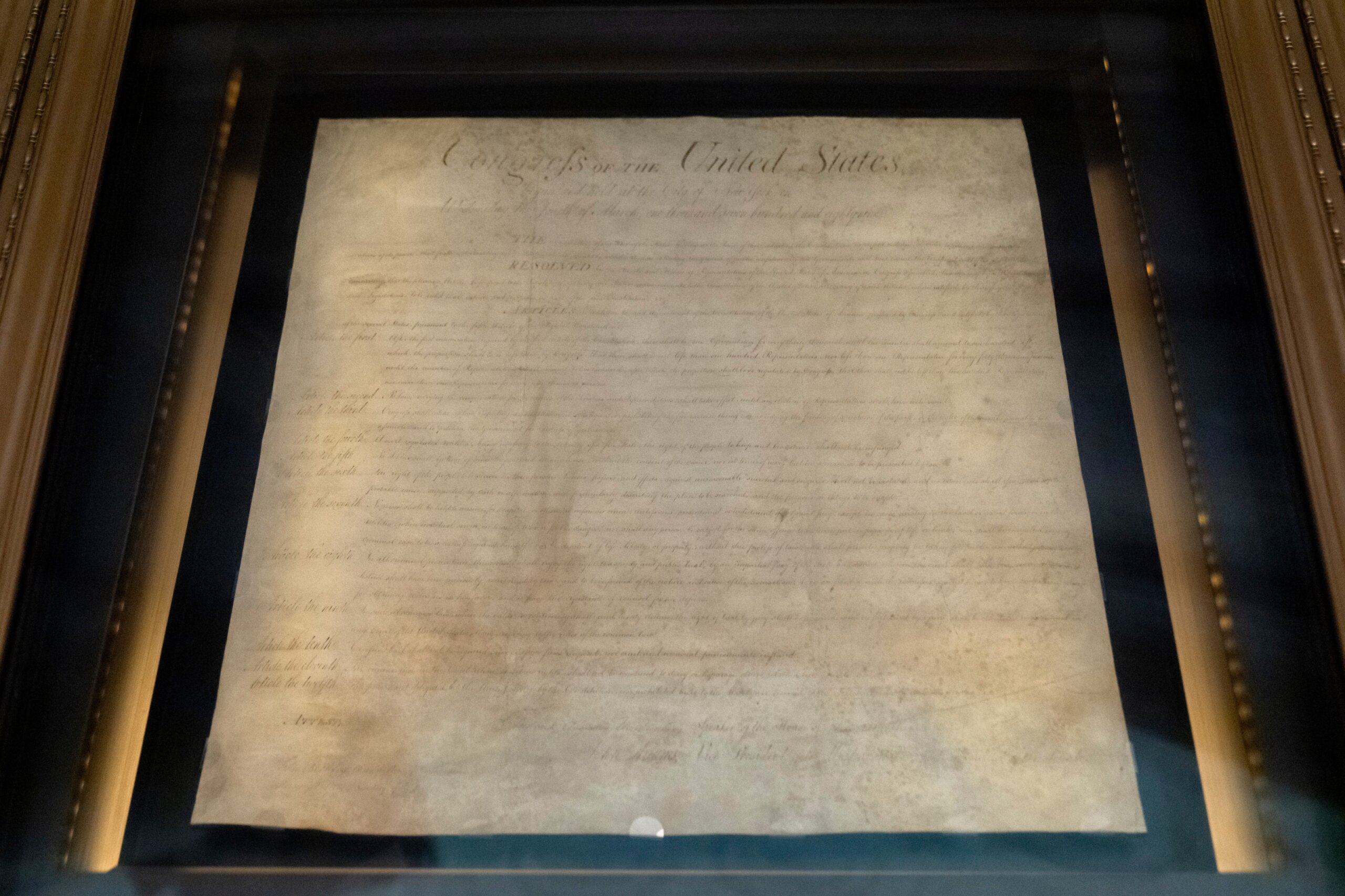
The obvious ones are the Liberty Bell, Independence Hall, Elfreth’s Alley, the Franklin Post Office & Museum and many other places you read about in history books. Other visitors may want to see what they watched in movies, namely the “Rocky” franchise.
You can run the Rocky steps before visiting the Rocky Balboa statue, a left-behind prop from “Rocky III” that has stood for decades as a popular attraction and is now inside the Philadelphia Museum of Art. The bronze figure of Rocky Balboa — arms raised in victory, clad in boxing trunks and boots — has become a point of pilgrimage for people around the world.
According to the Philadelphia Visitor Center, about 4 million people visit the museum’s steps each year, rivaling the nearby Liberty Bell in annual foot traffic.
Food scene
Philadelphia is known for everything from cheesesteaks to soft pretzels to water ice, so come hungry. The cheesesteak, which originated in Philadelphia in the early 1900s, is widely considered the city’s signature food — chopped steak, onions, cheese (often provolone) on a strudy split roll.
There are few hard rules for cheesesteaks — Pat’s King of Steaks and Geno’s Steaks are tourist favorites — except for one: Don’t ask for Swiss cheese. Then-presidential candidate John Kerry drew criticism in Philadelphia for ordering one with Swiss in 2003.
The No. 1 seeds these days — as in, always order a cheesesteak with a seeded roll — are the Bradley Cooper-approved Angelo’s and Skinny Joey’s Cheesesteaks.
Fan zones
Pennsylvania is offering fan zones in Pittsburgh, Reading, and Scranton along with Philadelphia, whose fan festival is free and open to the public for all 39 days of the World Cup. The festival will be held at Lemon Hill in East Fairmount Park and will include a vendor village and other cultural programs.
Transportation options
SEPTA is one of the largest transit systems in the U.S., with buses, trolleys and trains both above and below ground. Thanks to a corporate sponsor, there will be free SEPTA Broad Street Line rides after all six World Cup matches; the free postgame rides will start at halftime and stretch until two hours after the match is over. SEPTA even received a $5.5 million grant to help cover the cost of overtime for offering the extra train lines to the stadium.
Stadium tips
Lincoln Financial Field — or Philadelphia Stadium, as it will be rechristened during the World Cup — has few entertainment options in the immediate area. The four major sports teams — the Eagles, Flyers, 76ers and Phillies — play in three stadiums in essentially a shared parking lot. There should be plenty of (expensive) parking and tailgating will be permitted.
Except for a couple of nearby sports bars — try the famed dive bar, the Philadium — food and drink beyond cheap beer will be in short supply without leaving the area for another neighborhood like Fishtown or Old City, where you can celebate a win across the street from the Liberty Bell. Keep an eye on the weather, summers in Philadelphia be hot and often humid.
___
AP soccer: https://apnews.com/hub/soccer