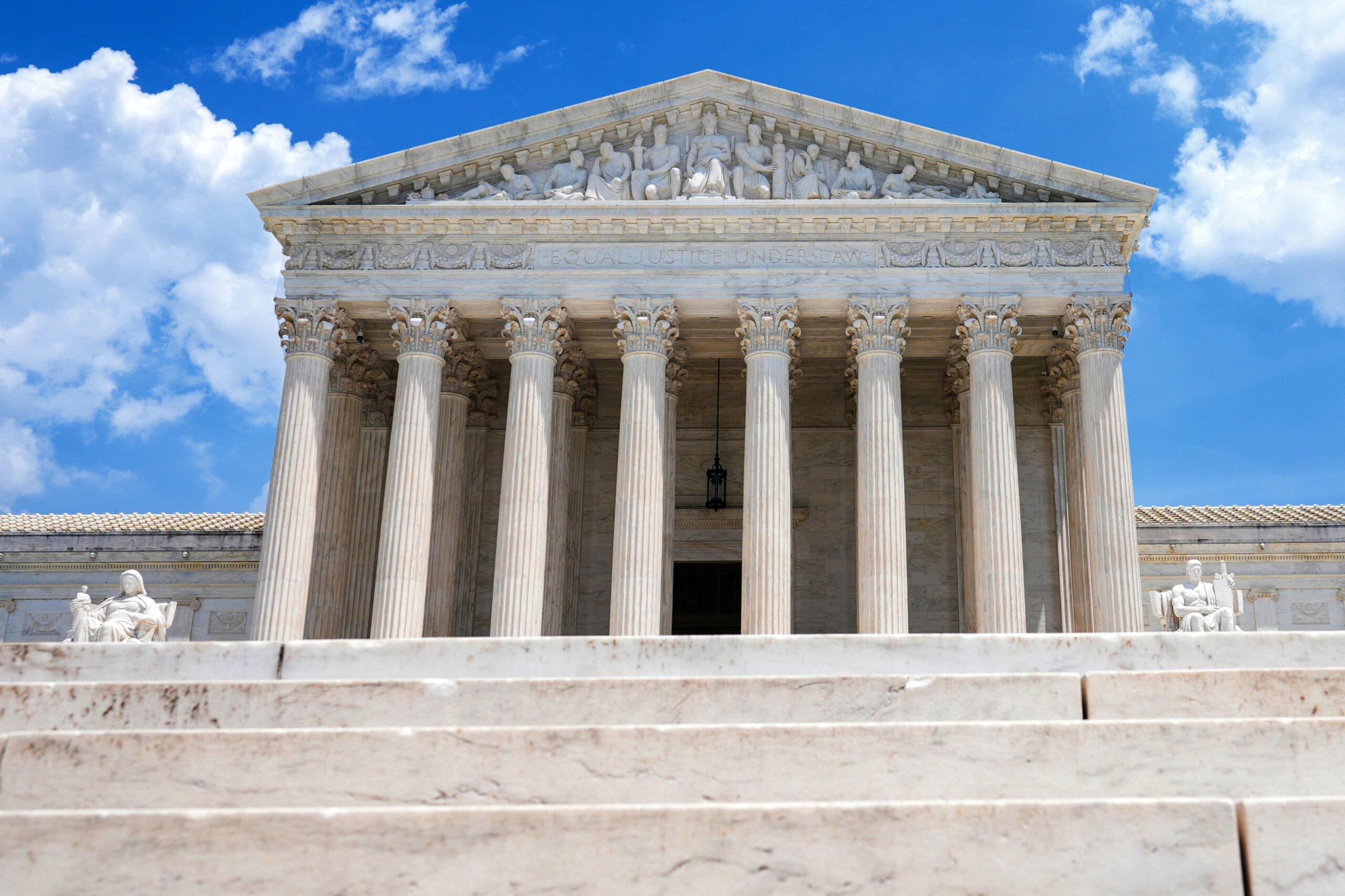
The Supreme Court struck down President Donald Trump’s tariffs in February 2026. But these taxes on imported goods continue to have an impact on Americans’ wallets.
After the Supreme Court’s ruling that the tariffs exceeded executive authority, lawmakers and regulators replaced them with lower tariffs enacted under a different statute.
Despite the administration’s claims, some economists say tariffs have largely shifted costs onto consumers.
“When firms import goods, they pay the cost upfront,” says Josh Stillwagon, associate professor and chair of the economics division at Babson College in Babson Park, Massachusetts. Companies then build those costs into prices.
Bloomberg reported that an October 2025 Goldman Sachs analysis found consumers bear up to 55% of tariff costs. Meanwhile, the Joint Economic Committee (Minority) reported that the Liberation Day tariffs cost U.S. households nearly $1,200 in 2025.
Here’s a look at how much more consumers might spend if the current tariffs remain in place.
| Category | Percent change in consumer prices |
| Clothing and footwear | +7.5% |
| Motor vehicles and parts | +4.7% |
| Household furnishings | +3.2% |
| Recreational goods and vehicles | +2.4% |
Source: The Budget Lab at Yale (April 2026)
[READ: How Will Tariffs Affect Your Investments?]
Where Tariffs Hit Your Budget
The latest tariffs impose taxes of up to 15% on imported goods, though exemptions vary by category.
Other forces also drive prices higher. Rising energy costs tied to geopolitical tensions — particularly the conflict with Iran — have disrupted supply chains and added inflationary pressure.
“In principle, tariffs are a one-time adjustment in price,” says George Calhoun, professor of quantitative finance at Stevens Institute of Technology in Hoboken, New Jersey. “Generally, tariffs are not a significant factor in inflation.”
Here’s a closer look at the tariff impact on consumer spending.
Groceries
About 20% of food and beverage spending in the U.S. is on imported foods or foods with imported ingredients, according to 2023 data from the U.S. Department of Agriculture. However, many items, such as beef and coffee, remain exempt from tariffs.
Energy costs and fertilizer shortages pose a bigger risk to food prices.
“If you want something to worry about, that’s what I’d worry about,” Calhoun says. He sees energy prices as a much larger factor than tariffs when it comes to consumer spending. “That’s going to have a major impact all through the supply chain.”
How to save: Buy seasonal, local foods. Shop discount grocers and use store loyalty programs.
Apparel
Most clothing sold in the U.S. is imported, often from countries affected by tariffs. Prices rose sharply following the 2025 policy changes. Clothing prices increased 17.5% as a result, according to data collected by Harvard economists.
“The American consumer is incredibly resilient, but they are being a lot more careful about how they spend their money,” says Shikha Jain, lead partner for consumer North America at Simon-Kucher, a global commercial growth and pricing consultancy.
Retail data shows clothing sales declined shortly after tariffs took effect.
How to save: Shop secondhand, use coupons and wait for sales.
Electronics
Early forecasts predicted steep price hikes:
— Smartphones: 31%
— Monitors: 32%
— Laptops and tablets: 34%
— Video game consoles: 69%
An exemption for electronics introduced in April 2025 helped prevent most of these increases.
How to save: Delay upgrades and shop during major holiday sales.
Appliances
Tariffs have raised appliance costs through multiple channels:
— Higher steel and aluminum tariffs increased production costs.
— Additional tariffs targeted imports from Japan and South Korea.
— North American trade tariffs added further pressure.
Appliance prices rose at more than double the inflation rate in 2025, according to a report from the Brookings Institution.
How to save: Repair instead of replace when possible. Look for floor models or scratch-and-dent discounts.
Vehicles
A 15% tariff on imported vehicles remains in place. Domestic automakers also face higher costs due to imported parts and materials.
— Imported vehicle prices are up $5,000 to $8,900.
— Domestic vehicle prices are up $1,600 to $2,000.
— Overall list prices are up about 10.4%.
Consumers currently absorb roughly 5.9% of those increases.
How to save: Buy sooner rather than later. Factor in fuel efficiency and insurance costs when choosing a vehicle.
Building materials
Imports account for about 7% of materials used in residential construction. Canada supplies roughly one-quarter of U.S. softwood lumber.
Tariffs have:
— Increased home construction costs by an estimated $10,900
— Pushed building material prices up 3.5% year over year
How to save: Choose simpler home designs and compare supplier pricing carefully.
[Tariffs Are Impacting Gen Z Spending. Here’s How They Can Financially Cope]
What to Buy Now vs. Wait
Tariffs affect categories differently, making timing important.
“It’s still evolving,” Jain says. “We don’t know the full impact yet.”
Using data from The Budget Lab at Yale, here’s a look at what you might want to buy now and what can wait.
| Buy now | Consider waiting |
| Clothing | Travel |
| Vehicles | Personal care products |
| Furniture | Movies and CDs |
| Appliances | Electronics |
Will You Get a Tariff Refund?
After the Supreme Court ruling, U.S. Customs and Border Protection began processing refunds for companies that paid Liberation Day tariffs. Consumers, however, are unlikely to benefit.
“Once you have higher inflation, people begin to accept higher inflation,” Stillwagon says. He does not expect widespread price reductions even if companies receive refunds for tariffs they paid.
Some companies have taken a different approach:
— Costco said it may adjust pricing if it receives refunds.
— FedEx and UPS pledged to pass refunds to customers.
Meanwhile, some consumers have filed lawsuits seeking compensation tied to tariff-related price increases.
[How Trump’s Tariffs Might Affect Your Grocery Bill, and What to Do About It]
Bottom Line
Tariffs now serve broader geopolitical goals beyond trade policy, Calhoun says, including influencing international relations and immigration policy.
That can unnerve consumer sentiment and may place businesses in a tight spot.
“If we continue down this path, businesses are going to be presented with difficult choices,” Jain says. “They can protect their margins or take steps — such as reining in prices — to protect consumer loyalty. Given the current tariff situation, it may be hard for them to do both.”
More from U.S. News
How to Estimate Utility Costs in 2026
These Are the 10 Cheapest Grocery Stores in the U.S.
Sam’s Club vs. Costco: Which Warehouse Club Is Better?
How Tariffs Are Still Impacting Your Household Budget in 2026 originally appeared on usnews.com