
Suspected pirates seize vessel carrying cement off Somalia, the second hijacking incident in days

MOGADISHU, Somalia (AP) — A cargo vessel carrying cement and flying the flag of St. Kitts and Nevis was hijacked off Somalia’s coast, a local maritime security official said Monday.

The ship was seized off the coastal town of Garacad in the Somali region of Puntland, according to an operations officer from the Puntland Maritime Police Force, who spoke on condition of anonymity because he was not authorized to brief the media.

The incident also was reported by the United Kingdom Maritime Trade Operations, which cited a hijacking incident six nautical miles northeast of Garacad.

The vessel had departed from Egypt and was heading to the Kenyan port city of Mombasa. It was not possible to verify how many people were on board the vessel.

The Puntland official said nine pirates boarded and took control of the vessel. “The ship is currently under the control of armed men, and we are monitoring the situation,” he said.

This is the second hijacking incident in less than a week; on Wednesday an oil tanker was seized in waters off Puntland. That tanker had left the port of Berbera and was heading to the Somali capital of Mogadishu when it was intercepted.

Piracy off Somalia’s coast, once among the most dangerous in the world, has declined significantly over the past decade due to international naval patrols and improved maritime security. However, sporadic incidents continue to raise concerns about a possible resurgence.
Iran attacks Bahrain and Kuwait following US strikes, threatens to end talks to end the war

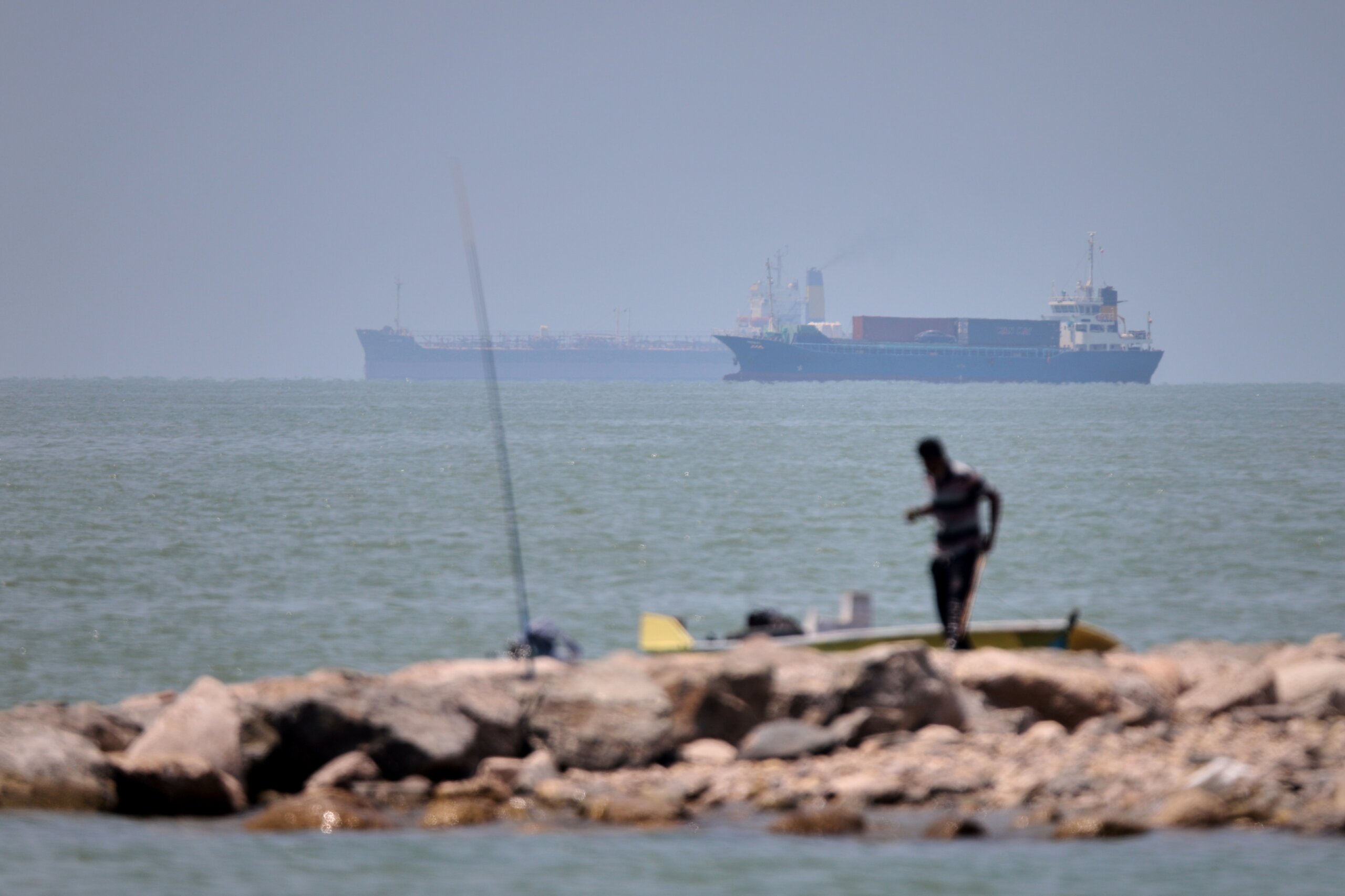
DUBAI, United Arab Emirates (AP) — Iran's paramilitary Revolutionary Guard launched drone and missile attacks Sunday targeting Bahrain and Kuwait in response to U.S. airstrikes that hit the Islamic Republic, and threatened a “complete halt” could come to negotiations to end the war if Washington continues its attacks. Efforts to reopen the Strait of Hormuz, the narrow mouth of the Persian Gulf that once carried a fifth of the world's oil and natural gas, without Iran's direct oversight sparked the crossfire now gripping the region. A multinational maritime body overseen by the U.S. Navy said Saturday that it would expand a route near Oman in the Strait of Hormuz to allow for both inbound and outbound traffic — setting up a new flashpoint with Tehran. Iran insists it alone must govern the strait after the war, upending decades of the world considering that the strait was international waters free for all, despite its sitting in Iran and Oman's territorial waters. Tehran has twice attacked vessels going through the Oman route, backed by a United Nations agency, in recent days. Early Sunday, the U.S. military’s Central Command said it struck Iranian military “surveillance infrastructure, communication systems, air defense sites, drone storage facilities and minelayer capabilities” following an attack on a ship at sea early Saturday morning. That ship, the Panamanian-flagged tanker Kiku, carried crude oil for the state-run energy company of Qatar, a key negotiator between Iran and the United States.
Read Next Story