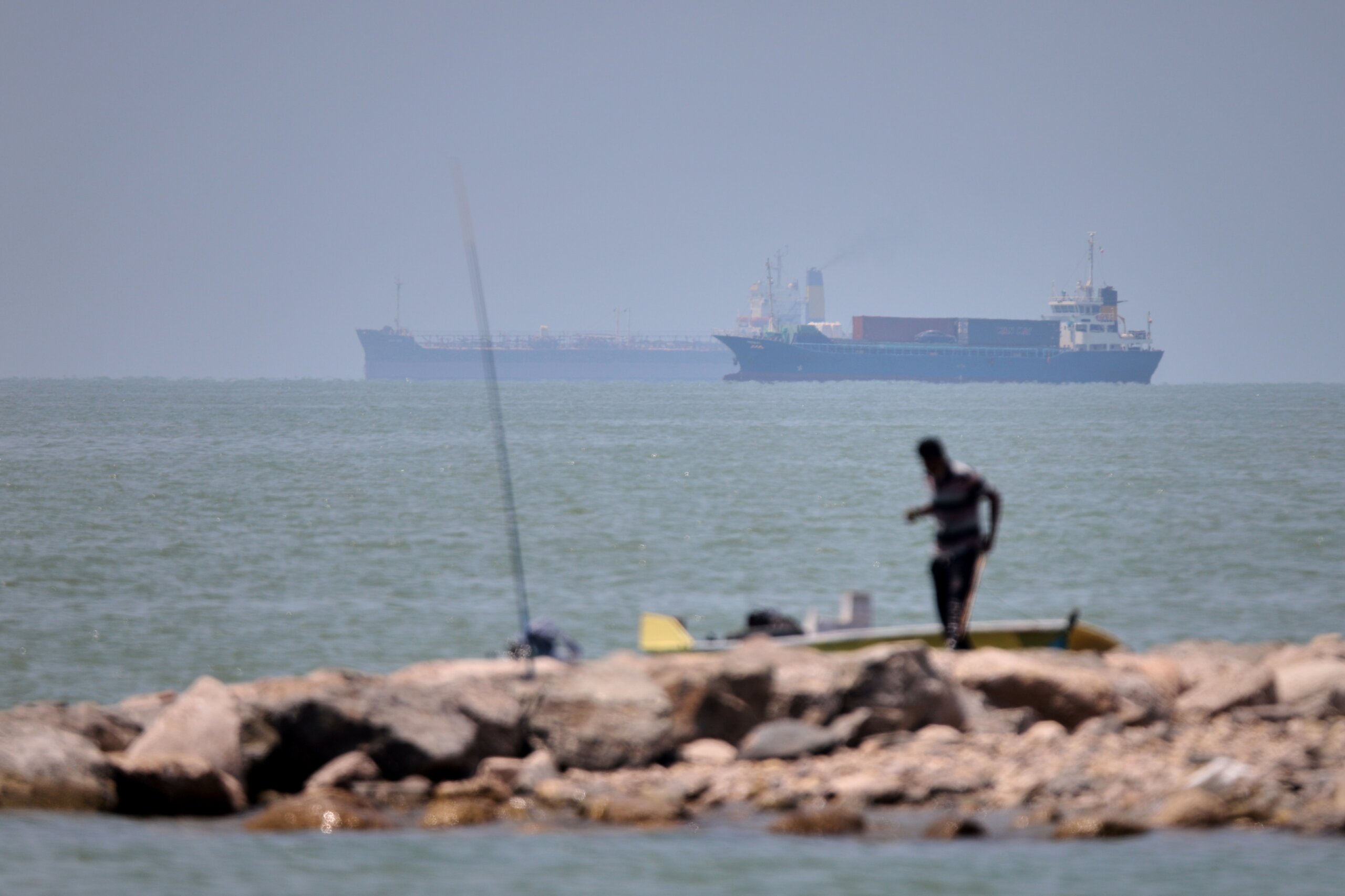
HAVANA (AP) — Cuba’s government on Monday confirmed that it had recently met with U.S. officials on the island as tensions between the two sides remain high over the U.S. energy blockade of the Caribbean country.
Senior U.S. State Department officials, speaking on condition of anonymity, had said on Friday that American diplomats flew earlier in April to the island for the first time since 2016 in a new diplomatic push. Neither U.S. nor Cuban officials have said exactly when the meeting took place nor which U.S. officials took part.
Alejandro García del Toro, deputy director general in charge of U.S. affairs at the Cuban Ministry of Foreign Affairs, said on Monday that the U.S. delegation included assistant secretaries of state, and that the Cuban delegation included representatives at the level of deputy foreign minister.
The exchange was conducted “respectfully and professionally,” he said, adding that the U.S. delegation did not issue any threats or deadlines as has been reported in some U.S. media.
“The elimination of the energy embargo against the country was a top priority for our delegation,” García del Toro said. “This act of economic coercion is an unjustified punishment of the entire Cuban population.”
He added: “It is also a form of global blackmail against sovereign states, which have every right to export fuel to Cuba, under the rules that govern free trade.”
Among conditions for a lifting of U.S. sanctions on Cuba, Washington is pressing the Cuban government to end political repression, release political prisoners and liberalize its ailing economy.
In late January, U.S. Donald Trump threatened tariffs on any country that sells or supplies oil to Cuba. Trump also has threatened to intervene in the country, and Cuban President Miguel Díaz-Canel said last week that his country is prepared to fight if that should happen.