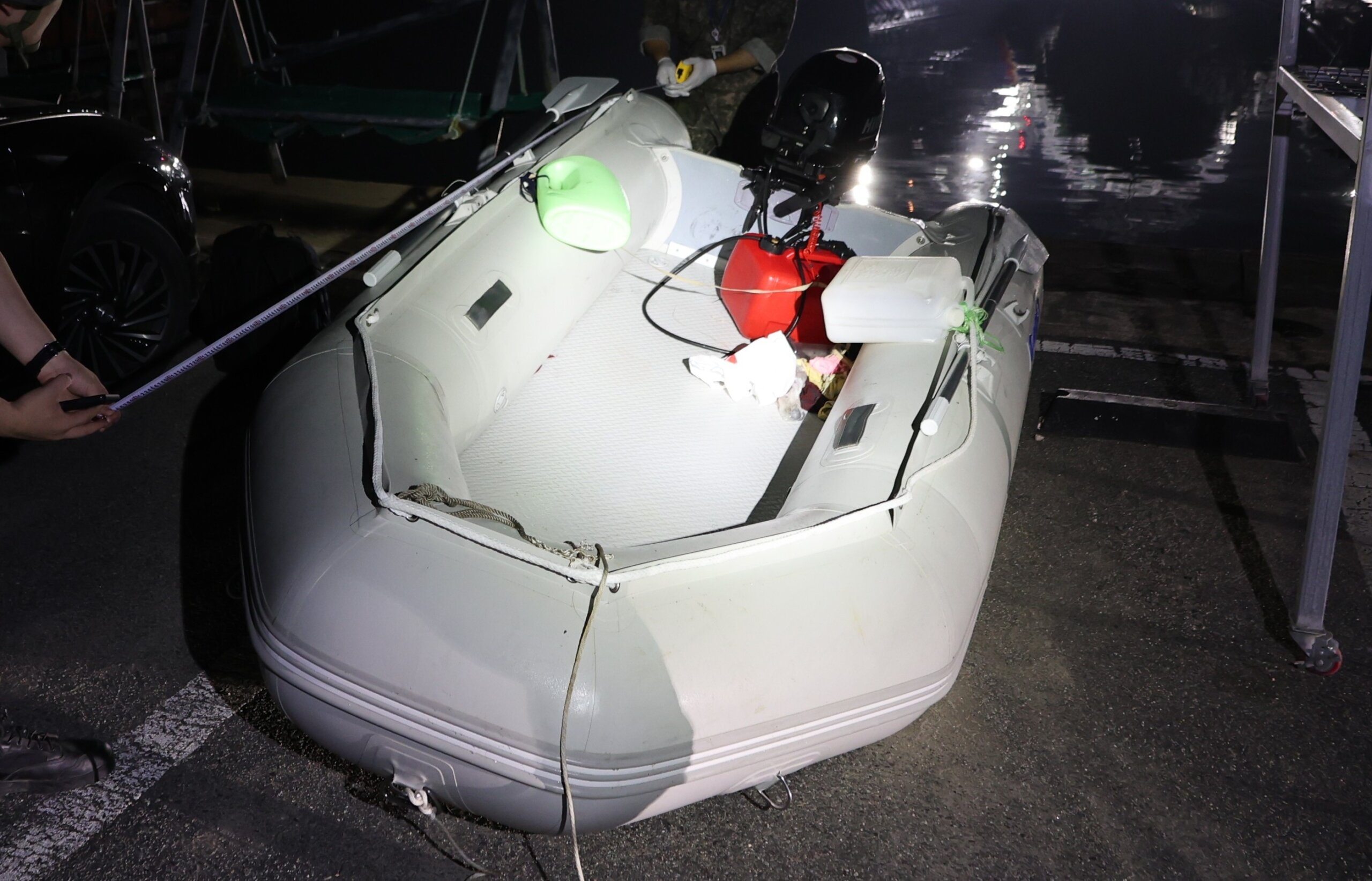
Gunmen in Nigeria attack a passenger bus and abduct students

ABUJA, Nigeria (AP) — Gunmen attacked a passenger bus in Nigeria ‘s Benue state, abducting some students on their way to university examinations, officials said.

The students and other passengers were abducted Thursday along the Otukpo-Makurdi highway, Benue Gov. Hyacinth Alia said in a statement.

The governor did not specify how many were taken, but local media said 14 passengers were on board.

“The targeting of innocent citizens, particularly students on their way to sit for examinations, is unacceptable and stands against every norm of humanity and civil order,” Alia said.

Search and rescue operations are underway in the central state to ensure the safe return of all abducted persons, the governor said.

No group has claimed responsibility for Thursday’s abductions. Benue has been a hot spot for armed violence in a region where armed gangs often target remote villagers and travelers with violent killings and kidnapping for ransom.

Students’ kidnappings have come to define the insecurity in Africa’s most populous nation, and analysts say it’s often because armed gangs see schools and students as “strategic” targets to draw more attention.

Alia urged residents to remain calm and to continue to cooperate with security agencies on rescue efforts and other operations.

“We will continue to take decisive actions to protect lives and property,” he added.
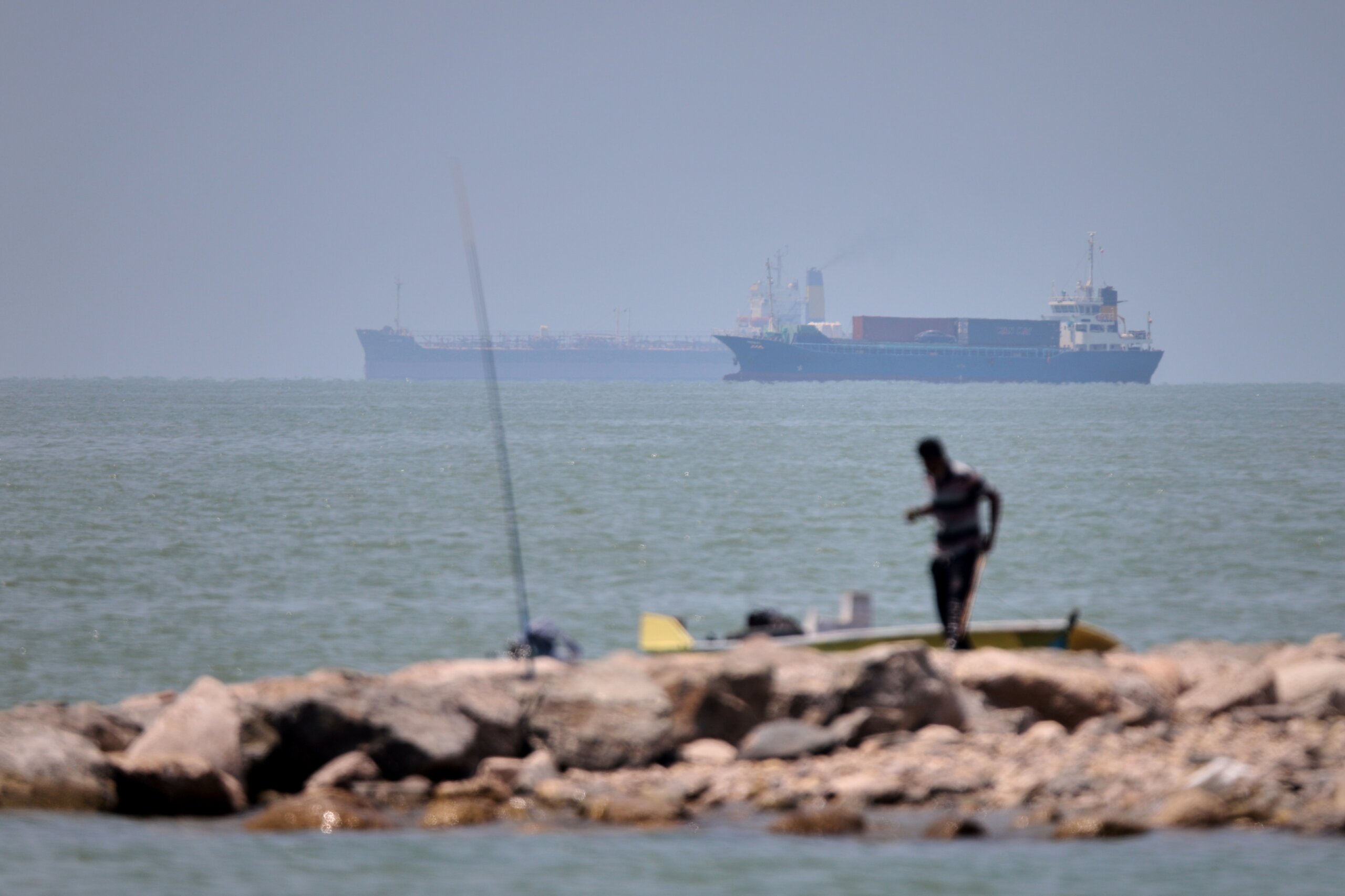
Iran attacks Bahrain and Kuwait following US strikes, threatens to end talks to end the war

DUBAI, United Arab Emirates (AP) — Iran's paramilitary Revolutionary Guard launched drone and missile attacks Sunday targeting Bahrain and Kuwait in response to U.S. airstrikes that hit the Islamic Republic, and threatened a “complete halt” could come to negotiations to end the war if Washington continues its attacks. Efforts to reopen the Strait of Hormuz, the narrow mouth of the Persian Gulf that once carried a fifth of the world's oil and natural gas, without Iran's direct oversight sparked the crossfire now gripping the region. A multinational maritime body overseen by the U.S. Navy said Saturday that it would expand a route near Oman in the Strait of Hormuz to allow for both inbound and outbound traffic — setting up a new flashpoint with Tehran. Iran insists it alone must govern the strait after the war, upending decades of the world considering that the strait was international waters free for all, despite its sitting in Iran and Oman's territorial waters. Tehran has twice attacked vessels going through the Oman route, backed by a United Nations agency, in recent days. Early Sunday, the U.S. military’s Central Command said it struck Iranian military “surveillance infrastructure, communication systems, air defense sites, drone storage facilities and minelayer capabilities” following an attack on a ship at sea early Saturday morning. That ship, the Panamanian-flagged tanker Kiku, carried crude oil for the state-run energy company of Qatar, a key negotiator between Iran and the United States.
Read Next Story