COLOMBO, Sri Lanka (AP) — Sri Lanka has sent home 238 Iranian sailors, including 32 who survived a U.S torpedo attack that sank their ship in the Indian Ocean, officials said Friday.
A U.S. submarine sank the IRIS Dena on March 4 while the ship was returning home after taking part in a naval exercise on invitation from India. The Sri Lankan navy recovered 87 bodies and 32 were hospitalized. A second Iranian ship was brought to a southern Sri Lankan port after its crew reported technical problems.
Defense Ministry spokesman Brig. Franklin Joseph said Friday that everyone except for a few crew members from the second ship had been repatriated earlier this week.
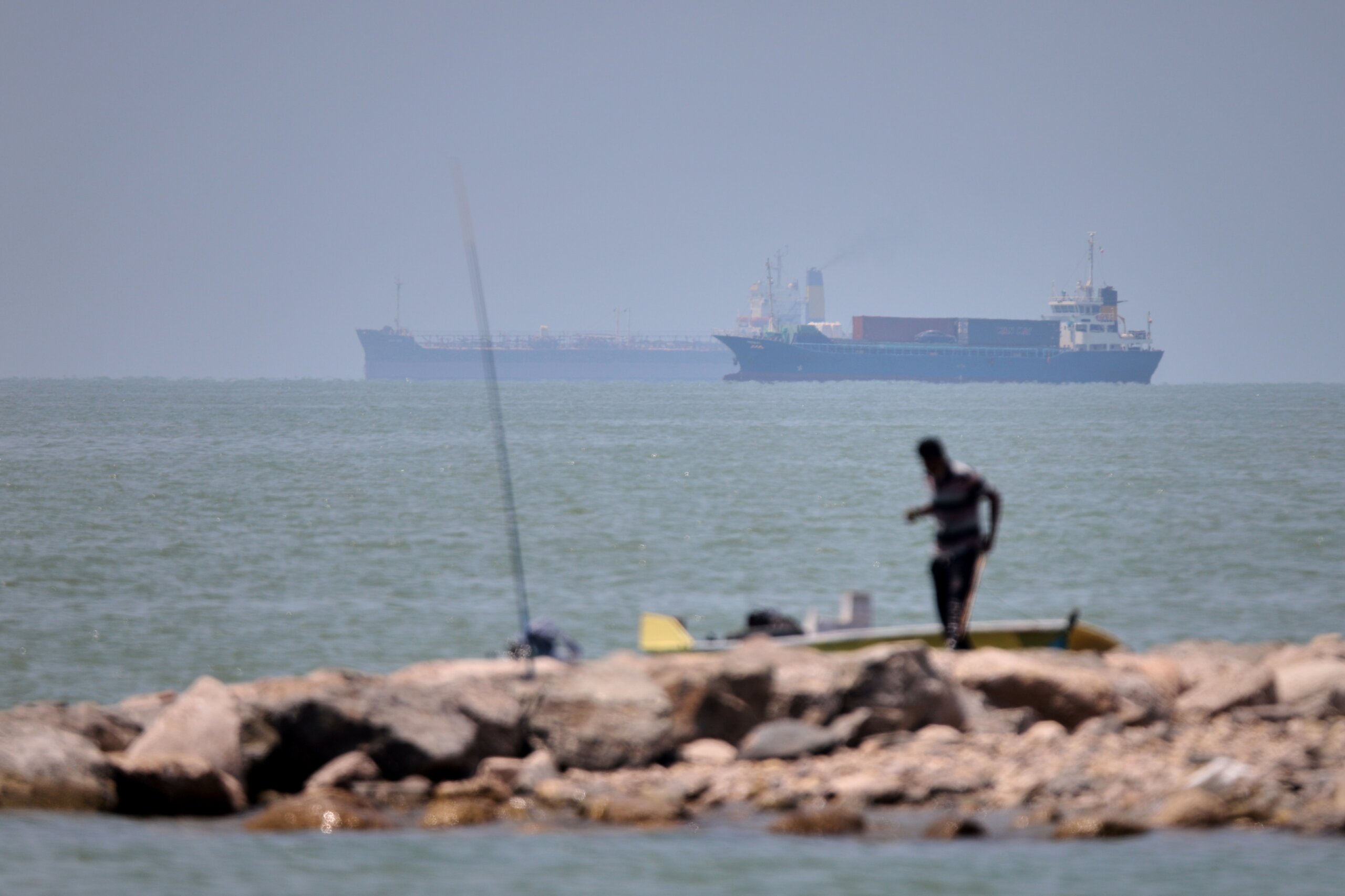
The Iranian ship has been anchored in the eastern port of Trincomalee port and no decision has been taken on what should be done with it.
“I think it (Sri Lanka) has proven its policy posture not only in words but also in deeds,” said H.M.G.S. Palihakkara, a retired former foreign secretary who also served as Sri Lanka’s permanent representative to the United Nations.
He said the island nation ensured that it was not seen to be taking sides but acted on the basis of legality, humanity and international law. “All parties to the conflict have acknowledged that. It has enhanced Sri Lanka’s government’s credibility,” he said.
He said Sri Lanka’s President Anura Kumara Dissanayake made a difficult decision when he declined two requests on the same day — one from the U.S. to land military aircraft in Sri Lanka and another from Iran to bring its warships ashore.
Sri Lanka is emerging from an economic crisis and both the U.S and Iran are its crucial trading partners. The U.S played an important role in assisting with an International Monetary Fund bailout deal and helping the agricultural sector to avert a food crisis.