
Archbishop of Canterbury expresses solidarity with Pope Leo XIV in calling for peace in Iran

LONDON (AP) — The Archbishop of Canterbury on Thursday expressed solidarity with Pope Leo XIV in calling for peace in the Middle East.

Archbishop Sarah Mullally, who assumed her role as head of the Church of England in January, said she stood with the pope in his “courageous call for peace.” Leo’s comments have drawn the ire of U.S. President Donald Trump, who last weekend criticized the pope for being “terrible for foreign policy.”

“As innocent people are killed and displaced, families torn apart, and futures destroyed, the human cost of war is incalculable,” Mullally said in a statement. “It is the calling of every Christian – and of all people of faith and goodwill – to work and pray for peace.”

Though she didn’t mention Trump by name, Mullally said that Christians must “urge all those entrusted with political authority to pursue every possible peaceful and just means of resolving conflict.’’

In addition to heading the Church of England, the Archbishop of Canterbury is the spiritual leader of the worldwide Anglican Communion. The communion is an association of Christian churches, including the Episcopal Church in the United States, that together have more than 100 million members.
Iran attacks Bahrain and Kuwait following US strikes, threatens to end talks to end the war

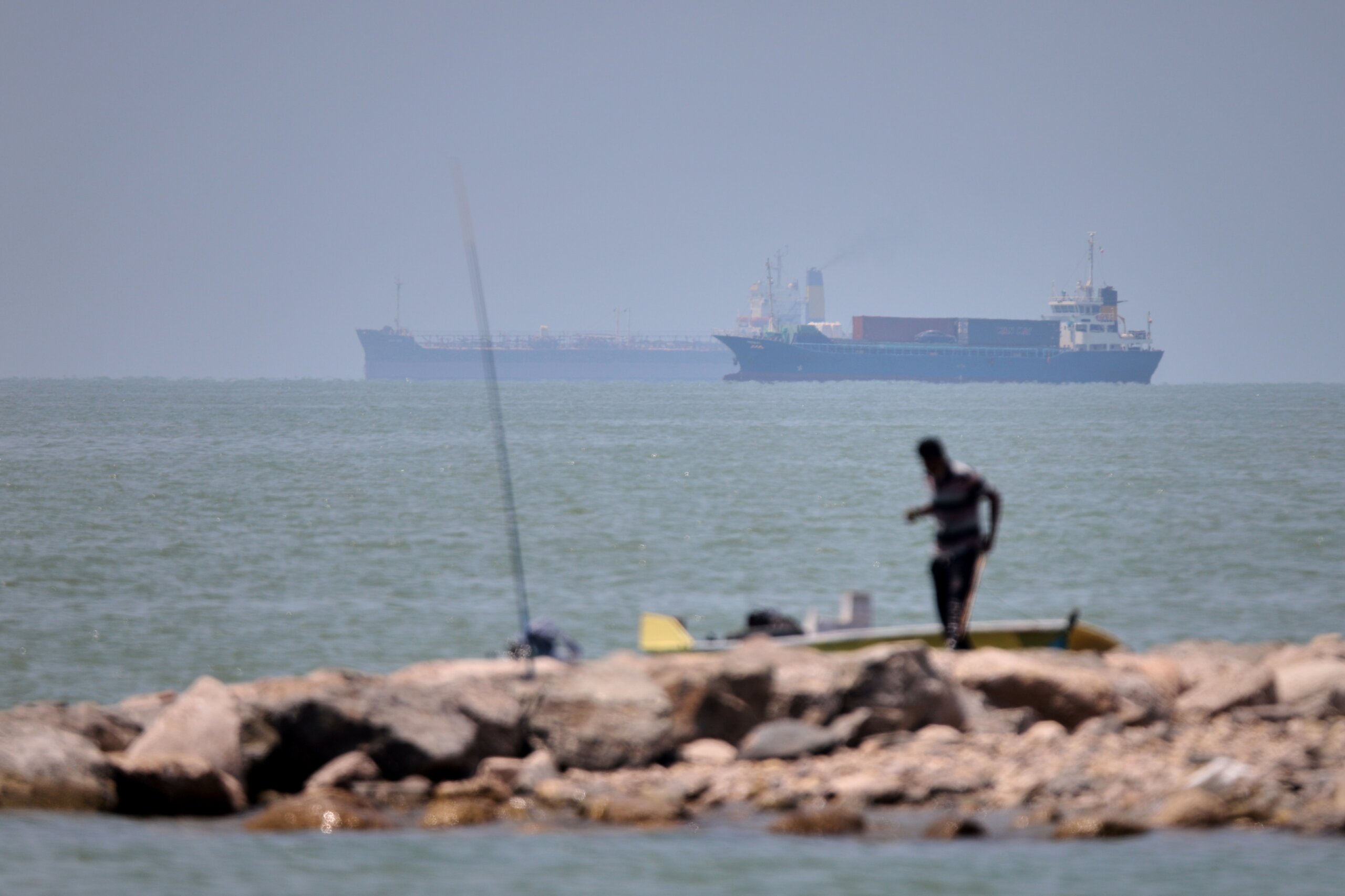
DUBAI, United Arab Emirates (AP) — Iran's paramilitary Revolutionary Guard launched drone and missile attacks Sunday targeting Bahrain and Kuwait in response to U.S. airstrikes that hit the Islamic Republic, and threatened a “complete halt” could come to negotiations to end the war if Washington continues its attacks. Efforts to reopen the Strait of Hormuz, the narrow mouth of the Persian Gulf that once carried a fifth of the world's oil and natural gas, without Iran's direct oversight sparked the crossfire now gripping the region. A multinational maritime body overseen by the U.S. Navy said Saturday that it would expand a route near Oman in the Strait of Hormuz to allow for both inbound and outbound traffic — setting up a new flashpoint with Tehran. Iran insists it alone must govern the strait after the war, upending decades of the world considering that the strait was international waters free for all, despite its sitting in Iran and Oman's territorial waters. Tehran has twice attacked vessels going through the Oman route, backed by a United Nations agency, in recent days. Early Sunday, the U.S. military’s Central Command said it struck Iranian military “surveillance infrastructure, communication systems, air defense sites, drone storage facilities and minelayer capabilities” following an attack on a ship at sea early Saturday morning. That ship, the Panamanian-flagged tanker Kiku, carried crude oil for the state-run energy company of Qatar, a key negotiator between Iran and the United States.
Read Next Story