
South Africa’s second-biggest party elects new leader

JOHANNESBURG (AP) — South Africa’s second-biggest political party, the Democratic Alliance, elected a new leader on Sunday who defended the coalition with the African National Congress and outlined plans to lead the next government.

Geordin Hill-Lewis, currently the mayor of Cape Town, was elected at the party’s federal congress in Johannesburg on Sunday.

His election comes ahead of local polls later this year, as support for opposition parties rises and the ANC’s appeal wanes.

The ANC has governed the country since the end of white minority rule in 1994, but was forced to negotiate a coalition government with the Democratic Alliance and other smaller opposition parties after losing its parliamentary majority in the 2024 elections.

Addressing members of his party after he was elected, Hill-Lewis defended the party’s decision to enter into a coalition with the ANC but said the intention was to win the next elections outright.

“I am not satisfied being a junior partner in a coalition government. Our ambition must be to lead the national government. That is the next chapter in our party’s proud history,” he said.

He said the party had proven in the cities where it governs that it can lead the national government. “We can win power in South Africa, but only if we govern well, for every South African, are present in every community, and act as a strong and principled coalition partner.”

The government has faced hurdles due to both parties’ stark ideological differences. They oppose each other on key policies including affirmative action, land restitution and Black economic empowerment.
Iran attacks Bahrain and Kuwait following US strikes, threatens to end talks to end the war

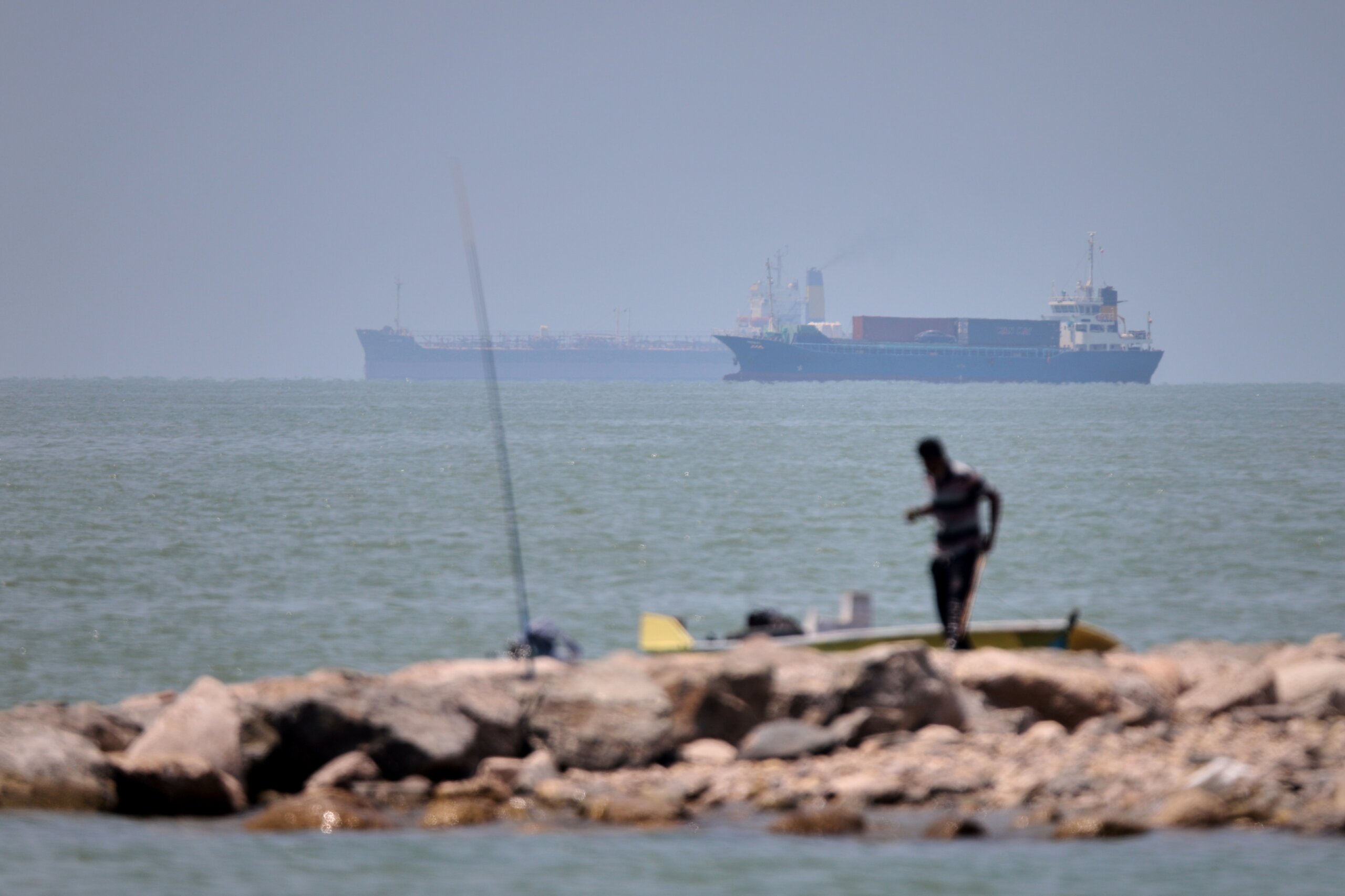
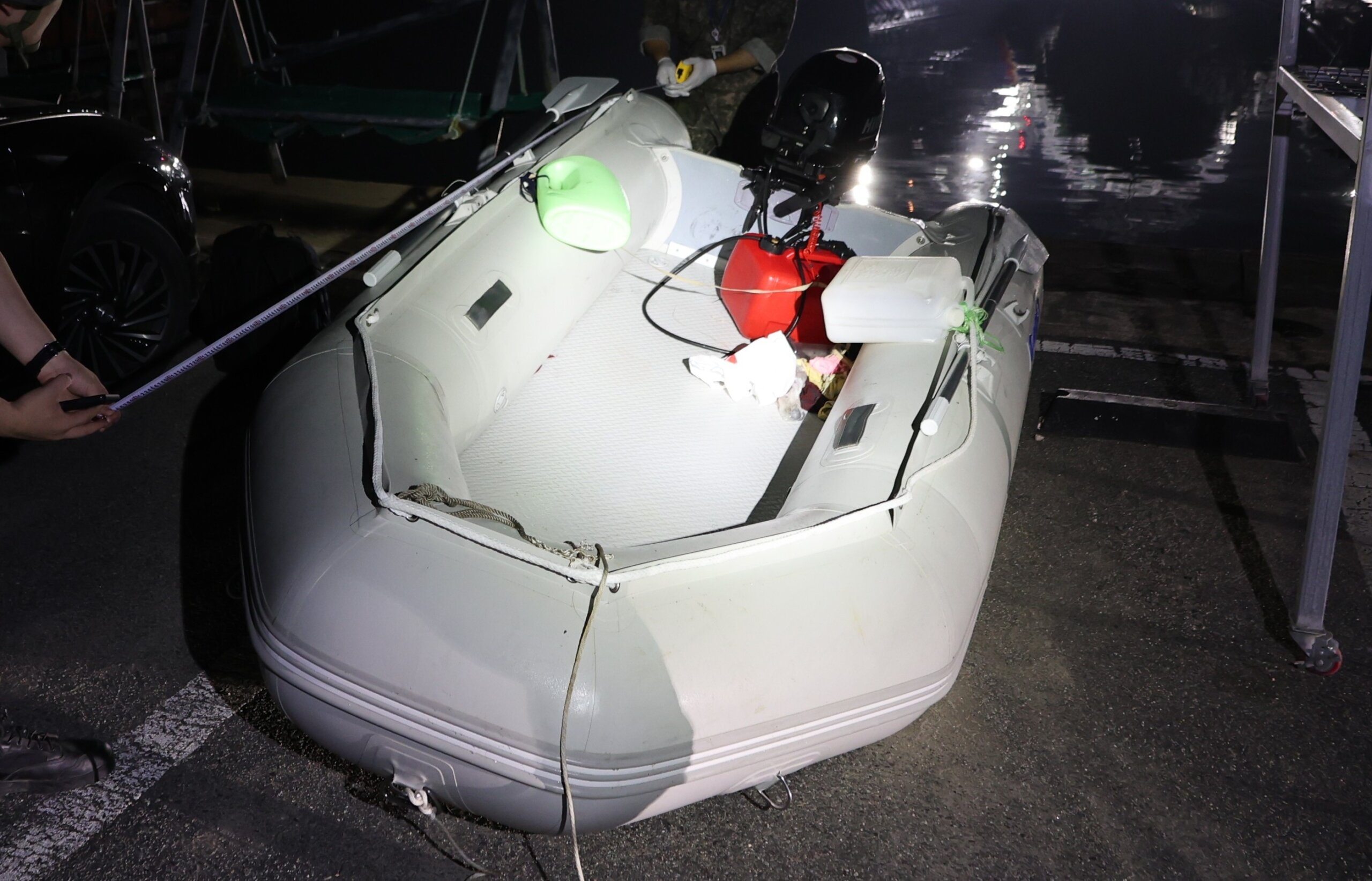
DUBAI, United Arab Emirates (AP) — Iran's paramilitary Revolutionary Guard launched drone and missile attacks Sunday targeting Bahrain and Kuwait in response to U.S. airstrikes that hit the Islamic Republic, and threatened a “complete halt” could come to negotiations to end the war if Washington continues its attacks. Efforts to reopen the Strait of Hormuz, the narrow mouth of the Persian Gulf that once carried a fifth of the world's oil and natural gas, without Iran's direct oversight sparked the crossfire now gripping the region. A multinational maritime body overseen by the U.S. Navy said Saturday that it would expand a route near Oman in the Strait of Hormuz to allow for both inbound and outbound traffic — setting up a new flashpoint with Tehran. Iran insists it alone must govern the strait after the war, upending decades of the world considering that the strait was international waters free for all, despite its sitting in Iran and Oman's territorial waters. Tehran has twice attacked vessels going through the Oman route, backed by a United Nations agency, in recent days. Early Sunday, the U.S. military’s Central Command said it struck Iranian military “surveillance infrastructure, communication systems, air defense sites, drone storage facilities and minelayer capabilities” following an attack on a ship at sea early Saturday morning. That ship, the Panamanian-flagged tanker Kiku, carried crude oil for the state-run energy company of Qatar, a key negotiator between Iran and the United States.
Read Next Story