
Suspect arrested in England after 4 die in failed channel crossing from France to UK

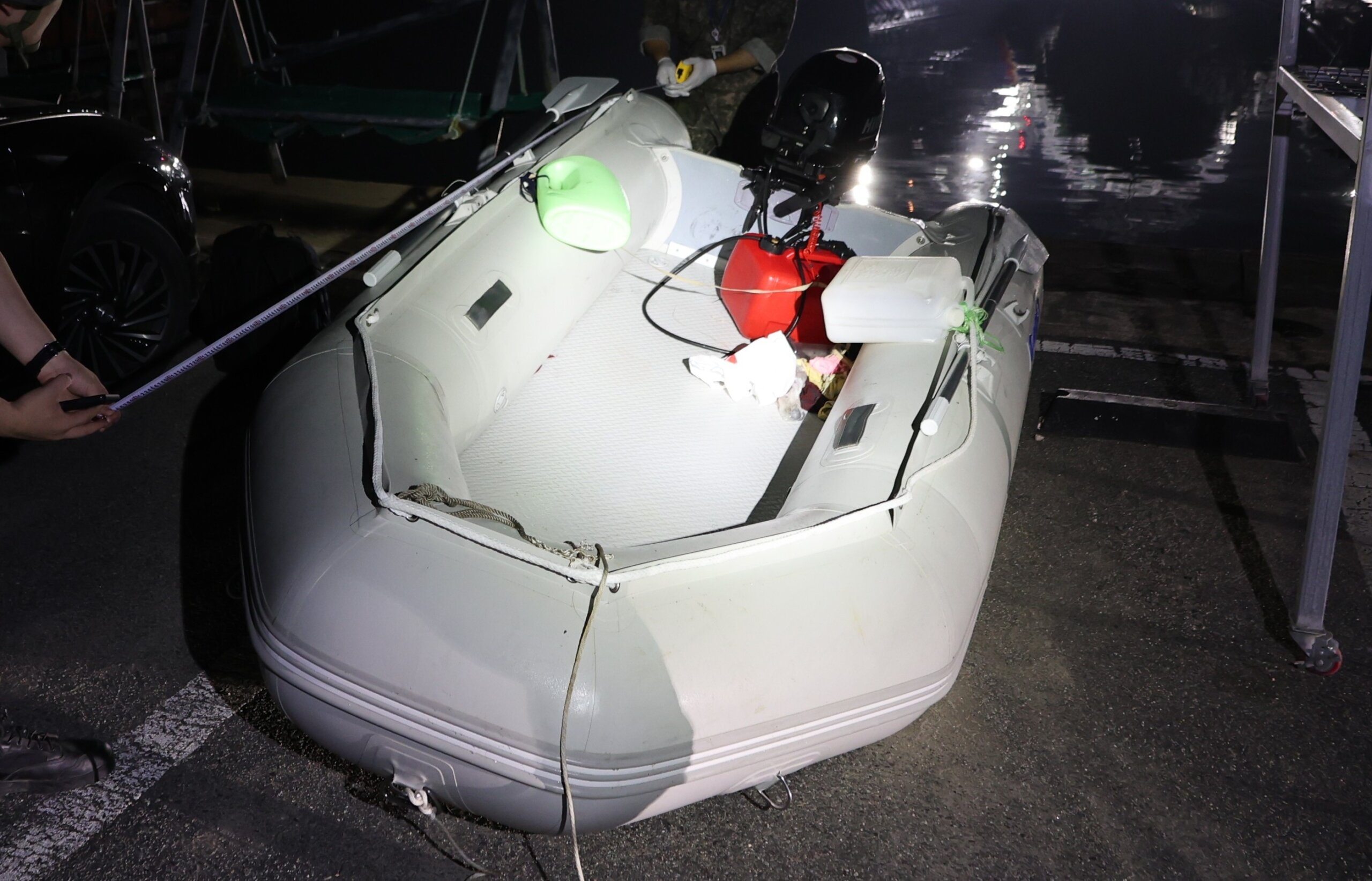
LONDON (AP) — British authorities arrested a man from Sudan on Friday on suspicion of endangering life after four migrants died trying to board an inflatable boat to cross the English Channel.

Two men and two women died and 38 others were rescued Thursday after being swept away in strong currents at a French beach where they had been attempting to launch for the perilous crossing to Britain.

The 27-year-old suspect was one of more than 70 other migrants who continued the journey and he was arrested at a migrant processing center on England’s southeast coast under a new border and immigration law that includes charges for endangering someone’s life during a journey by sea to the U.K.

It was not clear what role the suspect is alleged to have played in the crossing.

The incident occurred at Equihen Beach in Calais as the migrants tried to wade out to what authorities call a “taxi-boat,” typically a small motorized inflatable that picks up people along large stretches of the northern French coast.

The tactic has become more popular with smugglers as police on the beaches try to thwart crossings by puncturing the rafts that groups of migrants have to inflate and carry to the water.

Under maritime law, French police do not try to stop the boats on the water because it put lives at risk.

The suspect remained in custody to be questioned, the NCA said. Investigators also planned to interview other channel crossers.

Recent days have seen a surge in attempted crossings and deaths with 102 people rescued in two operations on Wednesday. Two people died last week in similar circumstances off the coast north of Calais.
Iran attacks Bahrain and Kuwait following US strikes, threatens to end talks to end the war

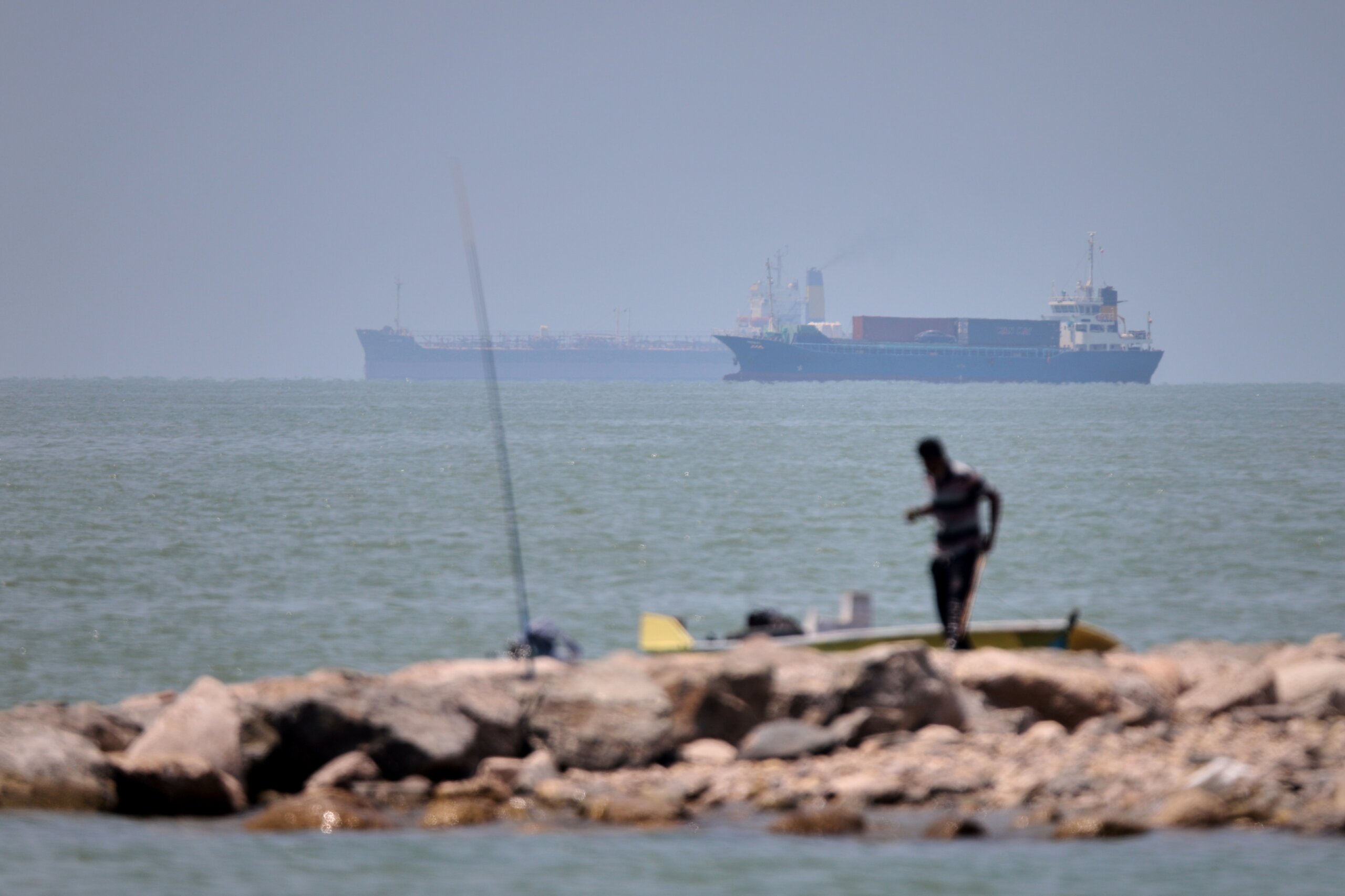
DUBAI, United Arab Emirates (AP) — Iran's paramilitary Revolutionary Guard launched drone and missile attacks Sunday targeting Bahrain and Kuwait in response to U.S. airstrikes that hit the Islamic Republic, and threatened a “complete halt” could come to negotiations to end the war if Washington continues its attacks. Efforts to reopen the Strait of Hormuz, the narrow mouth of the Persian Gulf that once carried a fifth of the world's oil and natural gas, without Iran's direct oversight sparked the crossfire now gripping the region. A multinational maritime body overseen by the U.S. Navy said Saturday that it would expand a route near Oman in the Strait of Hormuz to allow for both inbound and outbound traffic — setting up a new flashpoint with Tehran. Iran insists it alone must govern the strait after the war, upending decades of the world considering that the strait was international waters free for all, despite its sitting in Iran and Oman's territorial waters. Tehran has twice attacked vessels going through the Oman route, backed by a United Nations agency, in recent days. Early Sunday, the U.S. military’s Central Command said it struck Iranian military “surveillance infrastructure, communication systems, air defense sites, drone storage facilities and minelayer capabilities” following an attack on a ship at sea early Saturday morning. That ship, the Panamanian-flagged tanker Kiku, carried crude oil for the state-run energy company of Qatar, a key negotiator between Iran and the United States.
Read Next Story