
Cambodia’s 72-year-old king says he has prostate cancer and is getting treatment in China

PHNOM PENH, Cambodia (AP) — Cambodia’s King Norodom Sihamoni announced Friday that he has prostate cancer and will be undergoing treatment for it in China, where he was diagnosed with the disease.

In a statement he posted on his Facebook account and carried by Cambodia’s state news agency AKP, the 72-year-old constitutional monarch said he was diagnosed with the cancer during a medical examination at a state hospital in Beijing. He and his mother, Queen Mother Norodom Monineath, traveled there at the end of February for their routine checkups.

Sihamoni’s message did not mention how serious his condition is. Prostate cancer is usually treatable if detected at an early stage. According to the American Cancer Society, about one in eight men will be diagnosed with prostate cancer during their lifetimes.

Sihamoni’s father, King Norodom Sihanouk, who also received Chinese medical care, was diagnosed with prostate cancer as early as 1993, but lived until 2012, when he died at age 89 in Beijing.

Sihamoni took the throne in October 2004, a week after his father’s abdication. Sihamoni’s role is largely ceremonial and he maintains a low public profile.

Before becoming king, he served as Cambodian Ambassador to the U.N. cultural agency UNESCO, and was best known as a classical ballet dancer. He is unmarried and has no children.
Iran attacks Bahrain and Kuwait following US strikes, threatens to end talks to end the war

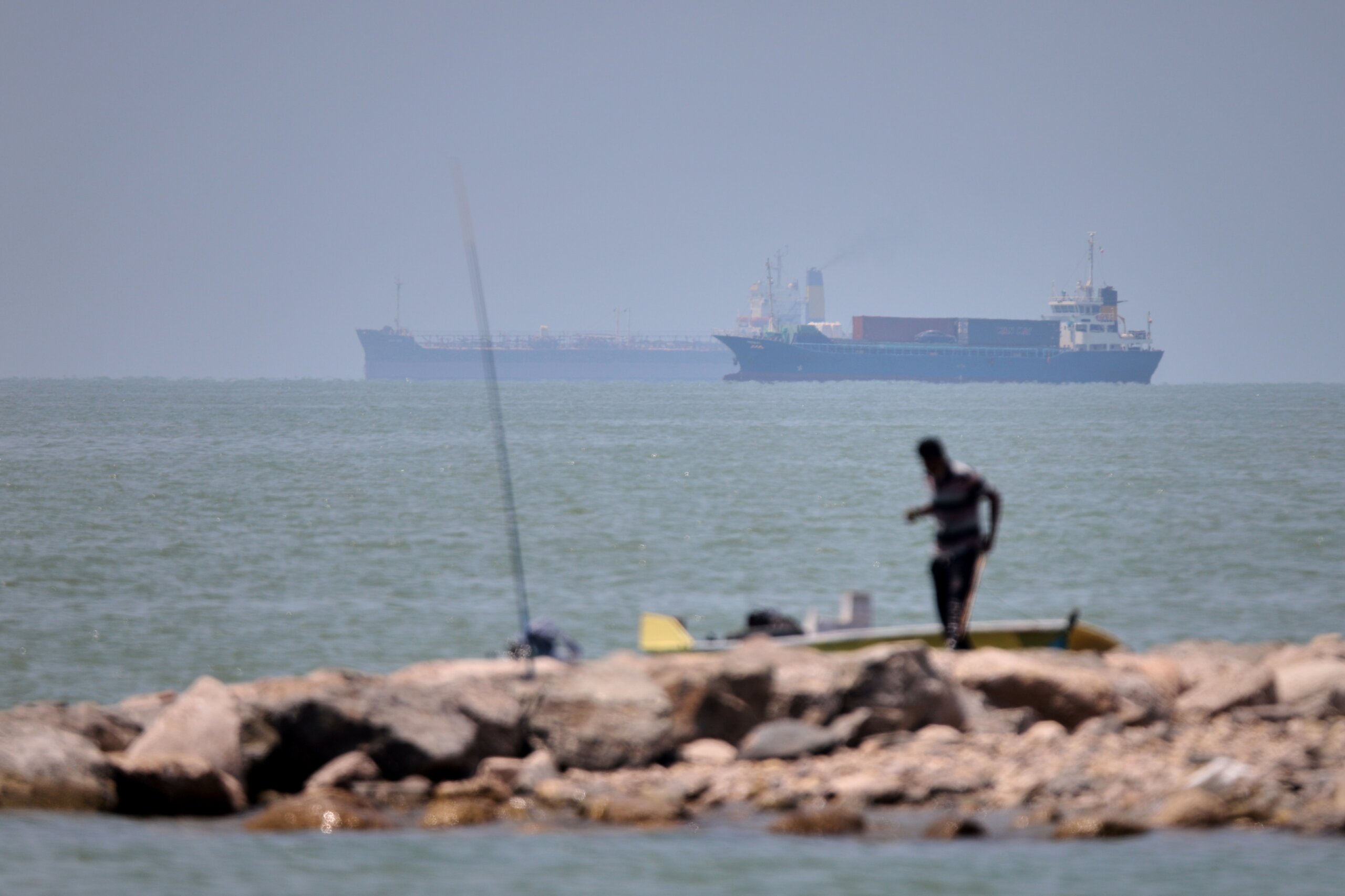
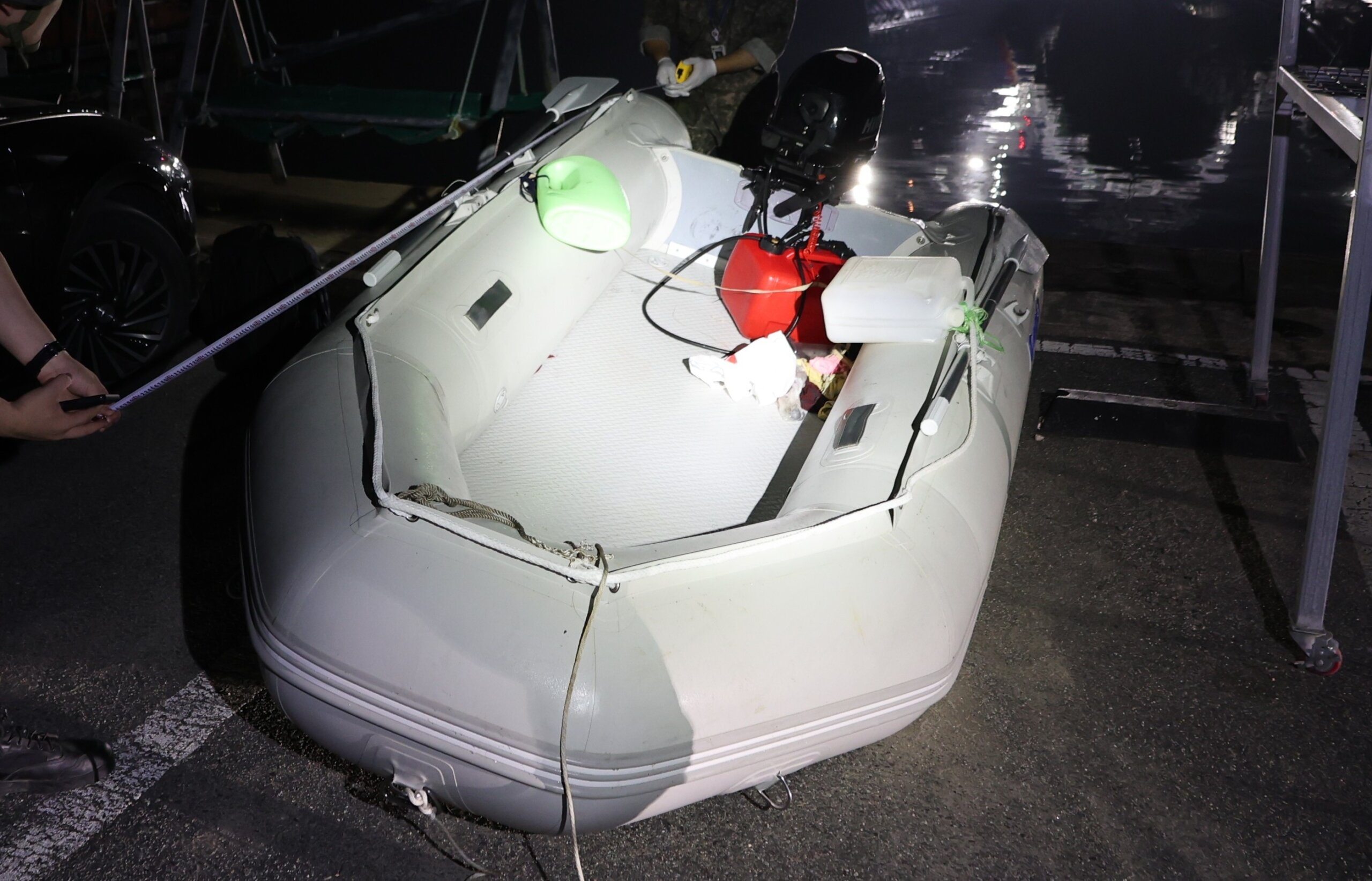
DUBAI, United Arab Emirates (AP) — Iran's paramilitary Revolutionary Guard launched drone and missile attacks Sunday targeting Bahrain and Kuwait in response to U.S. airstrikes that hit the Islamic Republic, and threatened a “complete halt” could come to negotiations to end the war if Washington continues its attacks. Efforts to reopen the Strait of Hormuz, the narrow mouth of the Persian Gulf that once carried a fifth of the world's oil and natural gas, without Iran's direct oversight sparked the crossfire now gripping the region. A multinational maritime body overseen by the U.S. Navy said Saturday that it would expand a route near Oman in the Strait of Hormuz to allow for both inbound and outbound traffic — setting up a new flashpoint with Tehran. Iran insists it alone must govern the strait after the war, upending decades of the world considering that the strait was international waters free for all, despite its sitting in Iran and Oman's territorial waters. Tehran has twice attacked vessels going through the Oman route, backed by a United Nations agency, in recent days. Early Sunday, the U.S. military’s Central Command said it struck Iranian military “surveillance infrastructure, communication systems, air defense sites, drone storage facilities and minelayer capabilities” following an attack on a ship at sea early Saturday morning. That ship, the Panamanian-flagged tanker Kiku, carried crude oil for the state-run energy company of Qatar, a key negotiator between Iran and the United States.
Read Next Story