
Tanzanian leader orders smaller convoys and shared buses to cut fuel use as prices rise

DAR ES SALAAM, Tanzania (AP) — Tanzania ‘s President Samia Suluhu Hassan, whose motorcades are reportedly among the largest in Africa, is cutting down on the number of official and luxury vehicles as part of measures to save fuel as oil prices rise.

Several African governments have announced steps to cope with fuel shortages and rising prices. Madagascar on Tuesday declared a state of emergency to reduce fuel consumption, while South Africa cut the fuel levy, and Ethiopia introduced rationing. Senegal banned all but essential foreign trips for government ministers.

“From today, whenever I travel, the officers accompanying me will use consolidated transport in small buses to reduce fuel consumption and operational costs during this period,” Hassan said Wednesday.

In the past, the president’s convoy had dozens of luxury vehicles carrying government officials, protocol officers and security personnel. A video of her 30-car convoy was once shared online, sparking conversations about African presidential convoys. Hassan has one of the continent’s longest motorcades.

She said Tanzania had fuel reserves that could last up to three months, but cautioned businesses against inflating prices.

The price of fuel has risen by $0.40 per liter in the last two weeks, fueled by the Iran war and the closure of the Strait of Hormuz.
Iran attacks Bahrain and Kuwait following US strikes, threatens to end talks to end the war

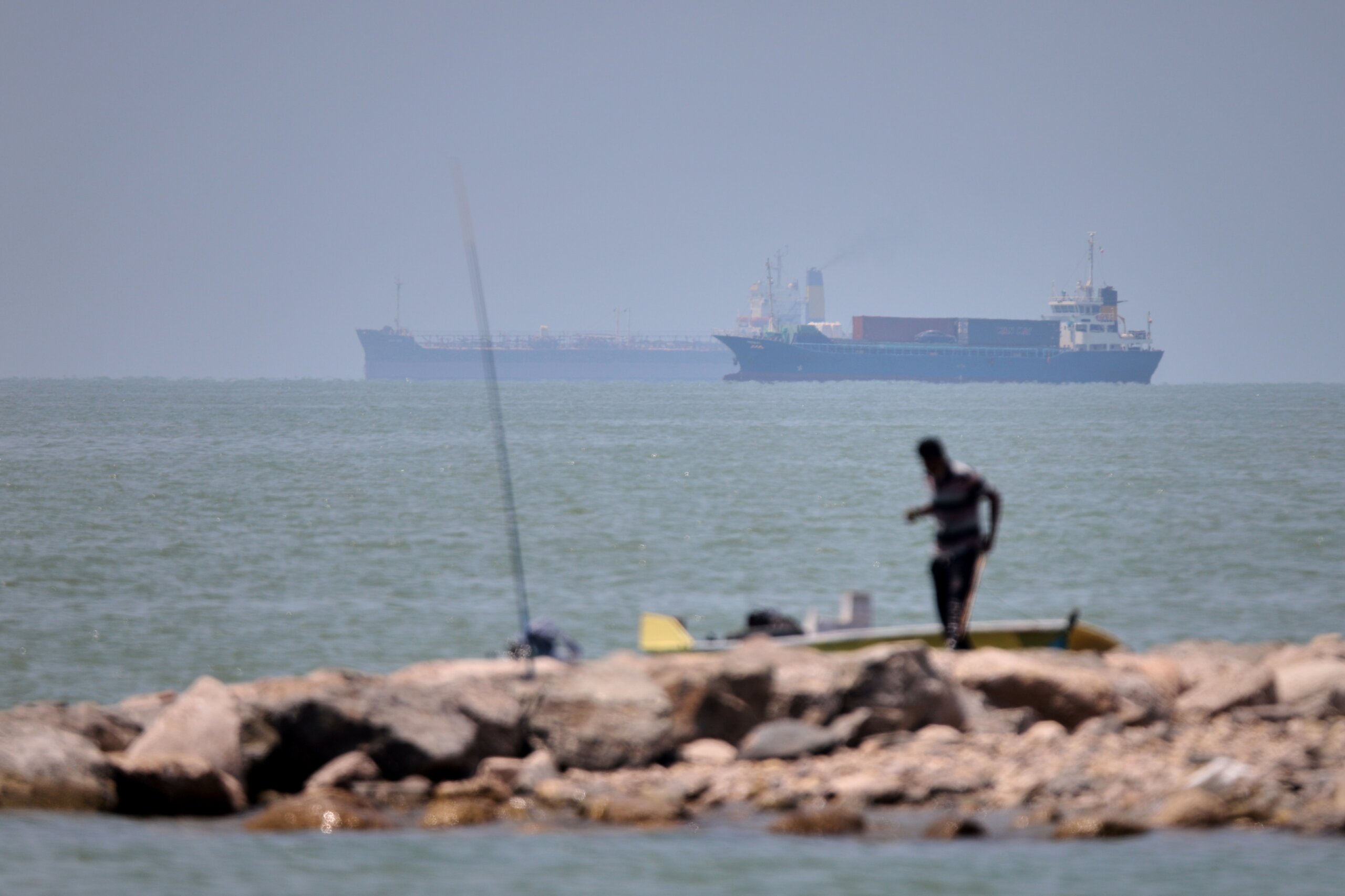
DUBAI, United Arab Emirates (AP) — Iran's paramilitary Revolutionary Guard launched drone and missile attacks Sunday targeting Bahrain and Kuwait in response to U.S. airstrikes that hit the Islamic Republic, and threatened a “complete halt” could come to negotiations to end the war if Washington continues its attacks. Efforts to reopen the Strait of Hormuz, the narrow mouth of the Persian Gulf that once carried a fifth of the world's oil and natural gas, without Iran's direct oversight sparked the crossfire now gripping the region. A multinational maritime body overseen by the U.S. Navy said Saturday that it would expand a route near Oman in the Strait of Hormuz to allow for both inbound and outbound traffic — setting up a new flashpoint with Tehran. Iran insists it alone must govern the strait after the war, upending decades of the world considering that the strait was international waters free for all, despite its sitting in Iran and Oman's territorial waters. Tehran has twice attacked vessels going through the Oman route, backed by a United Nations agency, in recent days. Early Sunday, the U.S. military’s Central Command said it struck Iranian military “surveillance infrastructure, communication systems, air defense sites, drone storage facilities and minelayer capabilities” following an attack on a ship at sea early Saturday morning. That ship, the Panamanian-flagged tanker Kiku, carried crude oil for the state-run energy company of Qatar, a key negotiator between Iran and the United States.
Read Next Story