
Myanmar’s parliament approves cabinet mostly of former generals and holdovers

NAYPYITAW, Myanmar (AP) — Myanmar’s parliament approved a cabinet Thursday that largely includes former generals and holdovers from the past military-led government under Min Aung Hlaing.

Despite the formation of a new government following controversial elections in December and January, there’s little signs of a return to civilian governance five years after he led the 2021 army takeover.

Min Aung Hlaing will be sworn into office as president Friday, along with two vice presidents and cabinet members.

Parliament Speaker Aung Lin Dwe said the appointments of 30 ministers were approved with no objections.

According to the official list, 24 are current or former generals and military officers or are lawmakers from the military-backed Union Solidarity and Development Party. Eighteen of the ministers were cabinet members of the previous military government, while four others were military and government officials under the same administration.

Several have also been sanctioned by foreign governments that accused them of supporting and serving in the military government or violating human rights.

Parliament also reappointed the chairman of the constitutional tribunal, attorney general, and judges of the Supreme Court.

The Association of Southeast Asian Nations was among the outside groups that did not recognize Myanmar’s elections after most opposition groups were excluded and dissent was tightly restricted. Voting also could not take place in some areas due to Myanmar’s ongoing civil war.

Iran attacks Bahrain and Kuwait following US strikes, threatens to end talks to end the war

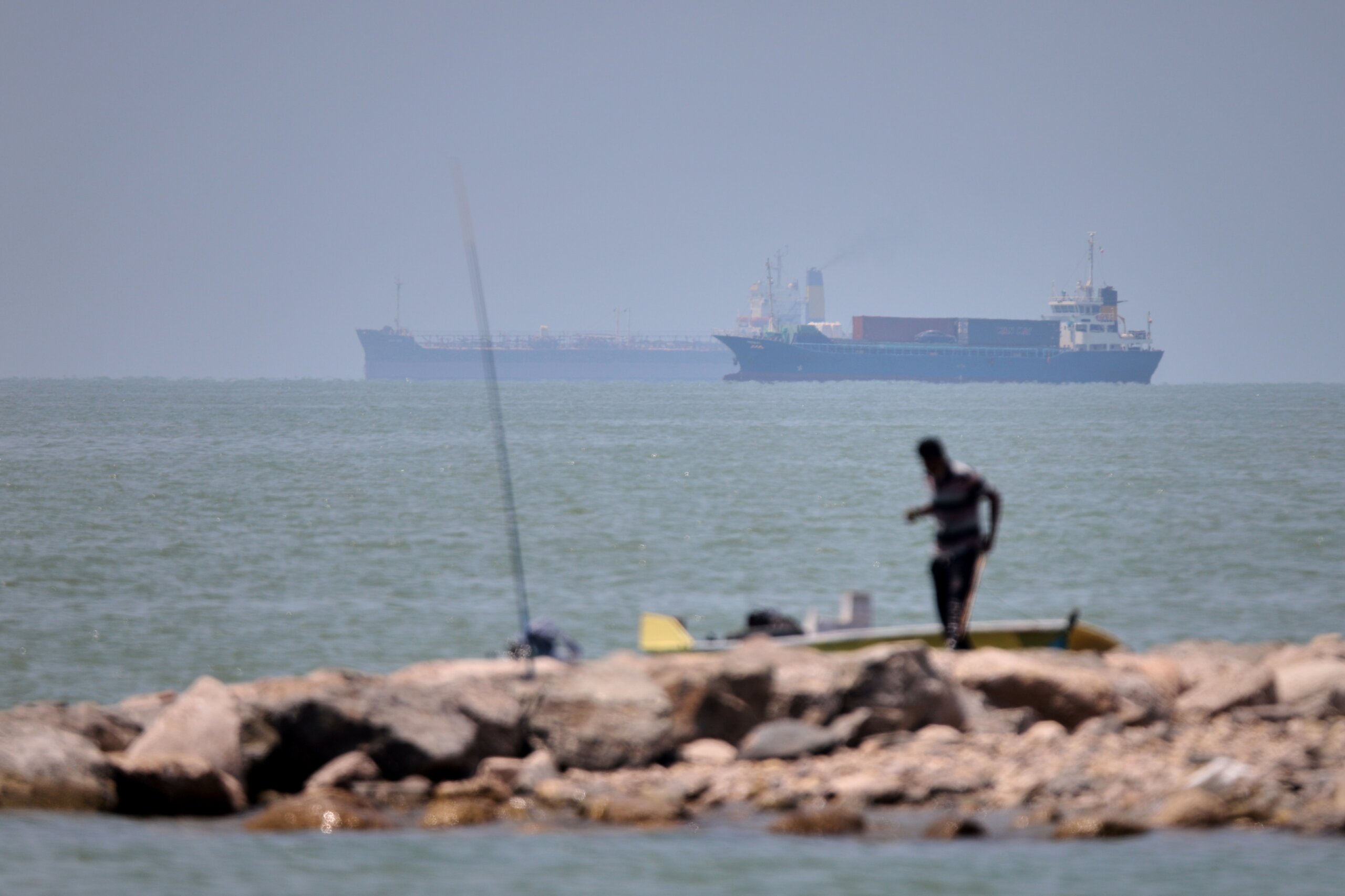
DUBAI, United Arab Emirates (AP) — Iran's paramilitary Revolutionary Guard launched drone and missile attacks Sunday targeting Bahrain and Kuwait in response to U.S. airstrikes that hit the Islamic Republic, and threatened a “complete halt” could come to negotiations to end the war if Washington continues its attacks. Efforts to reopen the Strait of Hormuz, the narrow mouth of the Persian Gulf that once carried a fifth of the world's oil and natural gas, without Iran's direct oversight sparked the crossfire now gripping the region. A multinational maritime body overseen by the U.S. Navy said Saturday that it would expand a route near Oman in the Strait of Hormuz to allow for both inbound and outbound traffic — setting up a new flashpoint with Tehran. Iran insists it alone must govern the strait after the war, upending decades of the world considering that the strait was international waters free for all, despite its sitting in Iran and Oman's territorial waters. Tehran has twice attacked vessels going through the Oman route, backed by a United Nations agency, in recent days. Early Sunday, the U.S. military’s Central Command said it struck Iranian military “surveillance infrastructure, communication systems, air defense sites, drone storage facilities and minelayer capabilities” following an attack on a ship at sea early Saturday morning. That ship, the Panamanian-flagged tanker Kiku, carried crude oil for the state-run energy company of Qatar, a key negotiator between Iran and the United States.
Read Next Story