EQUIHEN BEACH, France (AP) — French authorities said that at least four people, two men and two women, died on Thursday as they were trying to get onboard an inflatable boat to attempt the perilous sea crossing from northern France to the U.K.
The prefect of the Pas-de-Calais region in northern France, François-Xavier Lauch, said that 38 others were rescued, including one whose condition involved a medical emergency. He spoke while rescue operations were still ongoing on Equihen Beach on Thursday morning.
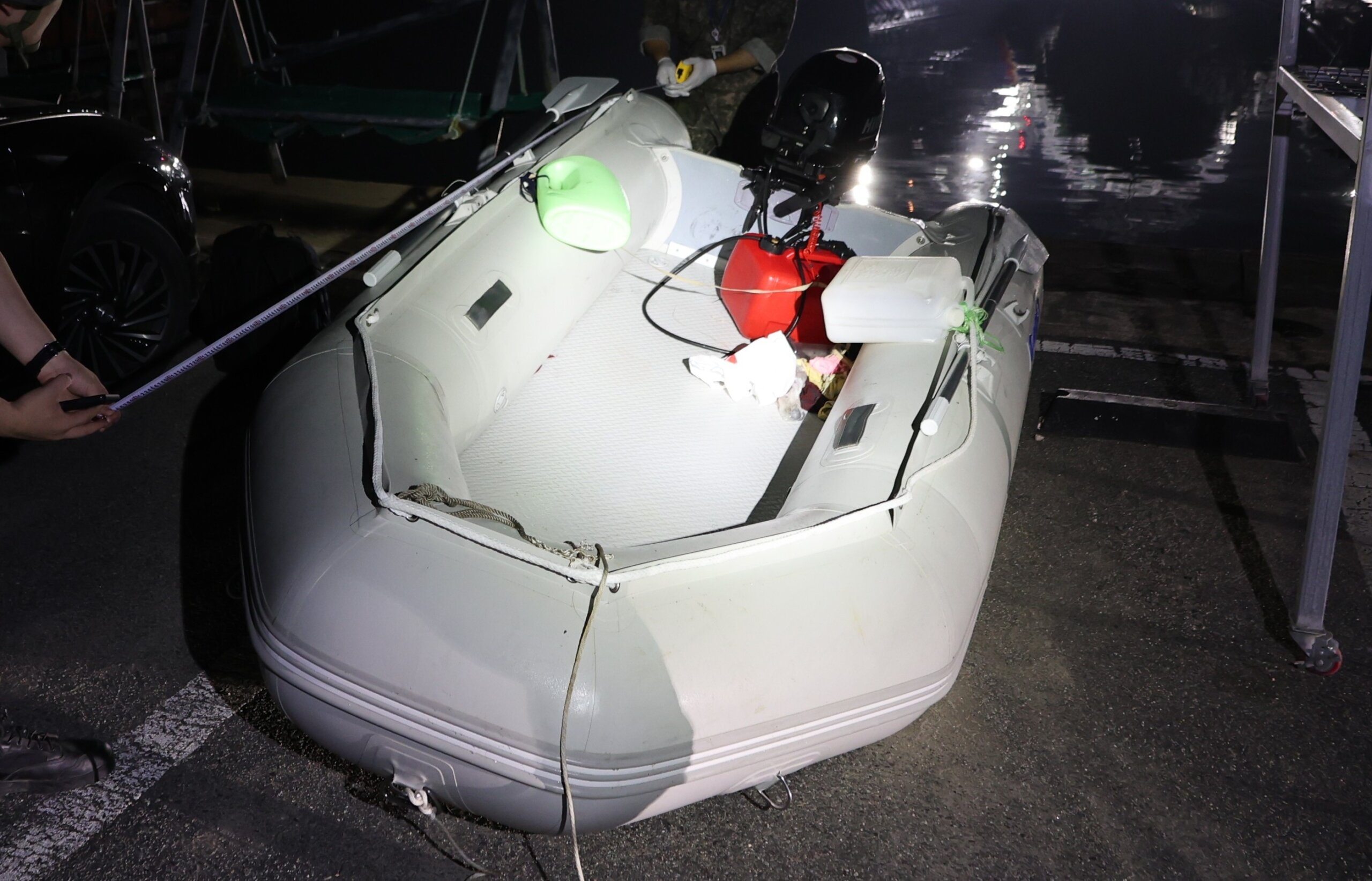
Lauch said that migrants were carried away by dangerous currents as they were trying to embark on a “taxi-boat,” the name authorities give small motorized boats that are usually inflatable. Traffickers use them to pick up people along large stretches of the northern French coast.
Thursday’s tragedy happened along a broad expanse of sand, backed by dunes and a forest where people attempting the perilous crossing hide out, sometimes for days at a time, as they wait for boats and suitable weather and sea conditions. Police patrol on buggies and keep watch from the remains of World War II-era bunkers but can’t prevent all departures on a beach so long.
Attempted crossings and deaths have surged in recent days. French maritime authorities said Wednesday that 102 people have been rescued in two separate operations while trying to cross the channel. Last week, two people died in similar circumstances off the coast north of Calais.
Unlike inflatable boats that migrants carry themselves into the water, so-called “taxi boats” set off largely empty from secluded spots along the coast and pick up migrants from prearranged rendezvous areas on beaches.
An Associated Press reporter attended such scenes on Wednesday in Malo-les-Bains, near Dunkirk.
Migrants wade into the sea, with adults carrying children in their arms or on their shoulders, then clamber aboard the inflatables that wait offshore. Once loaded up, they set off on the cross-channel journey, sometimes picking up more people along the way.
Depending on tides, weather and police patrols, migrants sometimes have to wade far from the water’s edge, up to their torsos, to reach the boats, increasing the risk of losing their footing, being caught by currents or wading too deep.
Campaign groups for migrant rights have long warned that increasingly vigorous efforts by French police to prevent boat departures from beaches, including using knives to hack and puncture inflatable boats to render them unusable, are encouraging the use of “taxi boats,” which increases the risks of drownings, injuries and the need for rescues.
___
Sylvie Corbet reported from Paris. John Leicester contributed to this report from Paris.