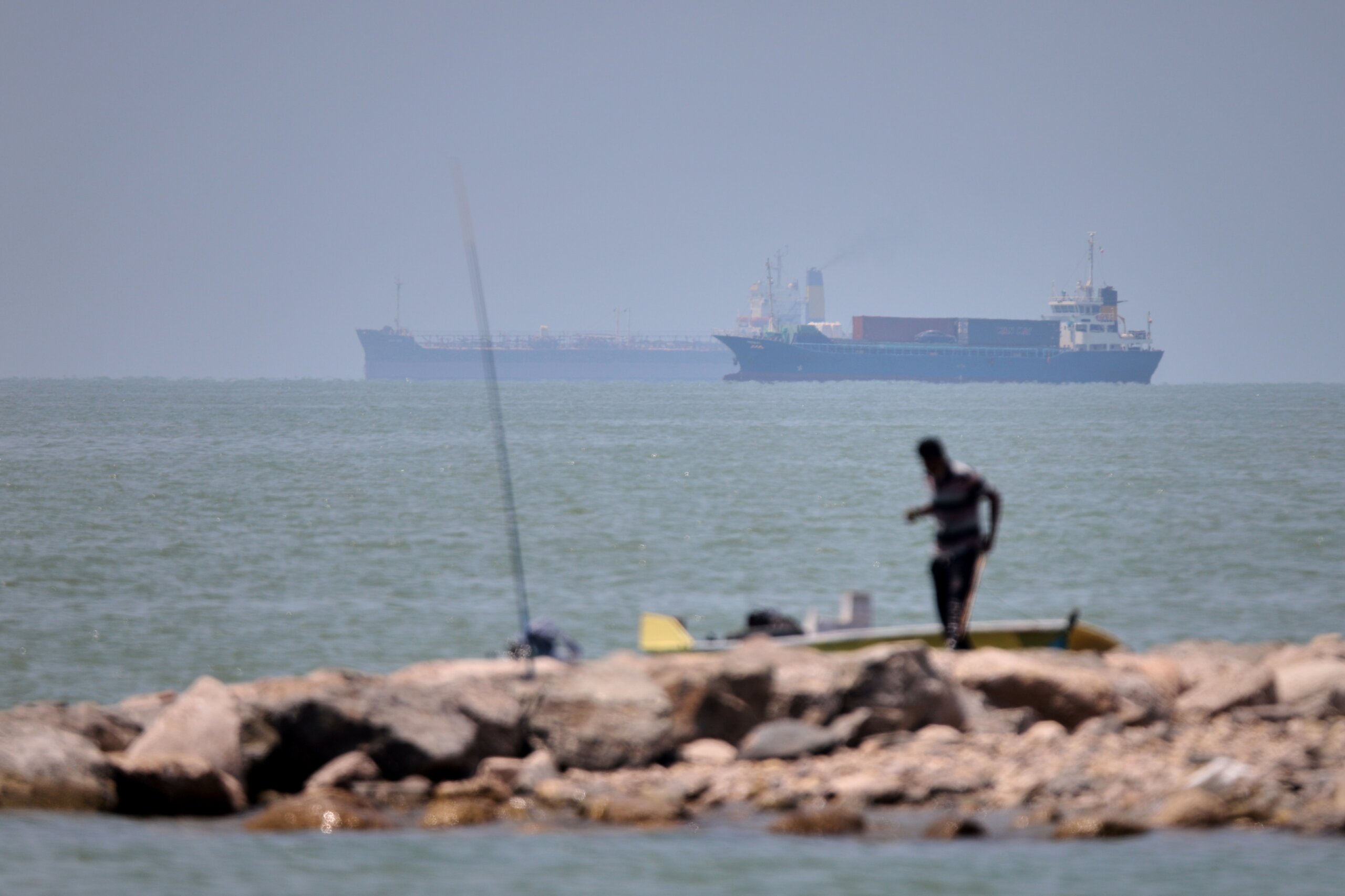
OIAPOQUE, Brazil (AP) — Oiapoque, a remote city in Brazil’s northern state of Amapa, is already experiencing several impacts from an anticipated oil-driven economic boom. Since Petrobras, the country’s state oil company, began exploratory drilling off the coast of the Amazon rainforest, thousands of migrants have moved to the city, clearing forest for makeshift housing as they wait for jobs they believe could result from eventual oil production.
Here are takeaways from AP’s story:
Forest clearing and unplanned growth in Oiapoque
Oiapoque’s local economy depends largely on fishing, illegal gold mining and cross‑border visitors from neighboring French Guiana. Rapid, unplanned urban growth is already straining the city’s fragile infrastructure, residents say.
According to Tiago Vieira Araújo, an Oiapoque councilman, seven new neighborhoods have emerged, some of them in areas where pristine rainforest stood a year ago. Frequent complaints among locals include overcrowded schools and the city’s only hospital operating at full capacity.
Renata Lod, a representative on Oiapoque’s Indigenous council, said that “Petrobras arrived in the city with strong political backing, promising progress as if we would go to sleep one way and wake up like Dubai.” The reality, she said, is a completely disorganized population growth and invasion of Indigenous lands.
For migrants like Reginaldo Nunes Fonseca, the hope of opportunity was enough to get them to move. He moved from the northeastern state of Maranhao after seeing a television report in Janauary about Petrobras getting license to do exploratory drilling.
There are fears of environmental impacts
Environmental groups warn that an oil spill could devastate fisheries and wetlands, while Indigenous leaders fear the project could endanger their lands and way of life.
Federal prosecutors also asked Brazil’s environmental regulator to annul or suspend the environmental license, arguing that Petrobras’ studies are insufficient and that the company is concealing the full extent of the environmental impact. No ruling has been issued.
Petrobras said it conducted spill modeling to secure the license and has been deploying drifting devices to monitor ocean currents since it began exploration in October.
In January, Petrobras reported a drilling-fluid leak that briefly halted operations. IBAMA, the environmental regulator, fined the company 2.5 million reais ($470,500).
Pushing to phase out fossil fuels while promoting oil exploration
When Brazil hosted the annual U.N. climate summit, known as COP30, last year, President Luiz Inácio Lula da Silva and the country’s negotiators sought to advance a global road map for phasing out fossil fuels, which are the primary drivers of global warming.
However, the reality in places like Oiapoque highlights a broader dilemma for much of the developing world. Some countries, including Brazil, have committed to curb greenhouse gases emissions like carbon dioxide, which are released from the burning of oil and cause climate change. At the same time, many residents hope that revenues from fossil fuels lift their economies.
Expanding oil drilling to Amazon region, even in an offshore project like this one, also raises questions about Lula’s campaign pledge to protect the rainforest.
___
The Associated Press’ climate and environmental coverage receives financial support from multiple private foundations. AP is solely responsible for all content. Find AP’s standards for working with philanthropies, a list of supporters and funded coverage areas at AP.org.