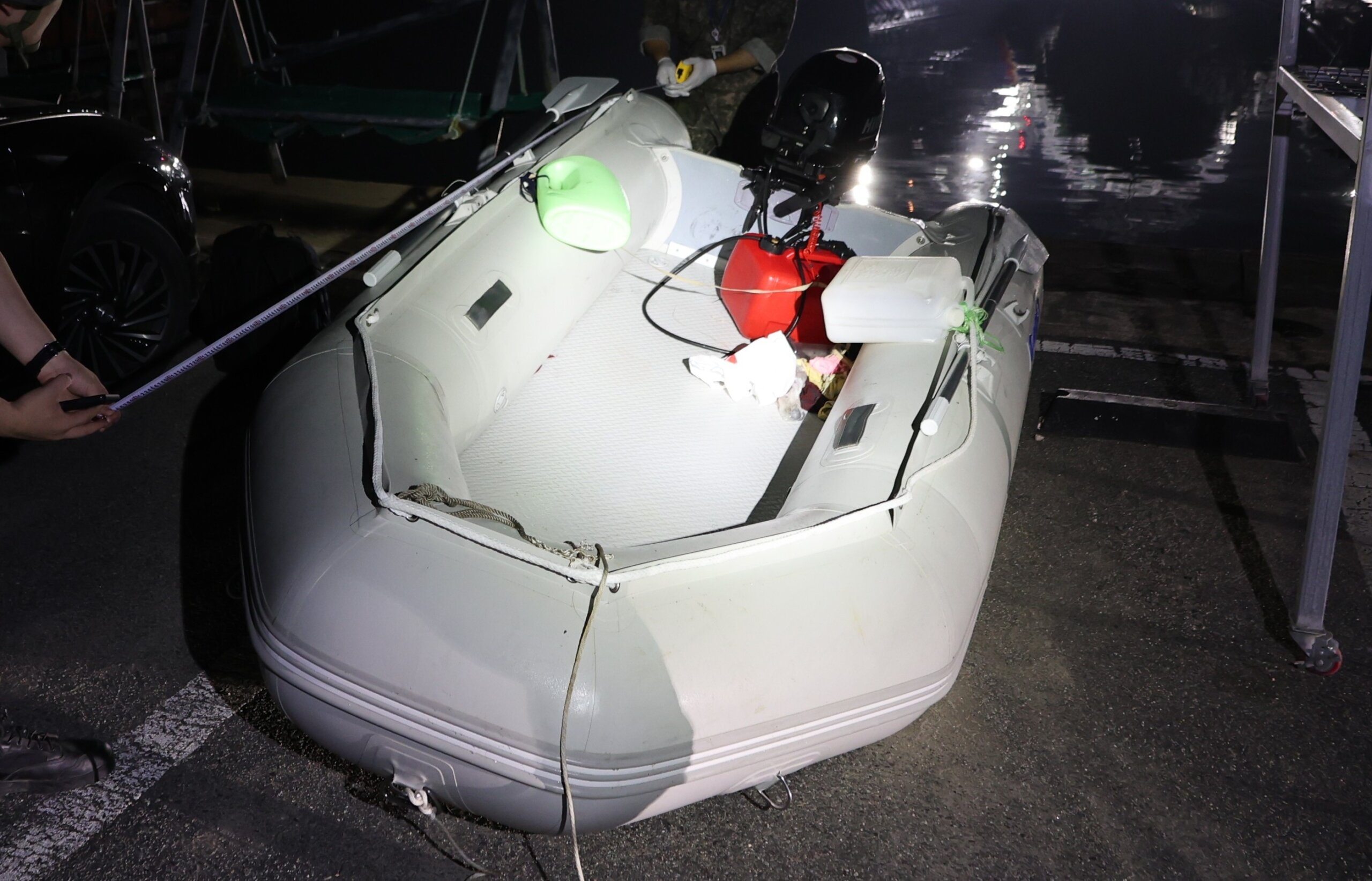
At least 21 people are missing after a boat capsizes in eastern Congo on Lake Kivu

BUKAVU, Congo (AP) — A boat has capsized on Lake Kivu in eastern Congo, leaving at least 21 people missing, authorities said Wednesday.

The boat was on its way to the town of Makengere when it sunk on Tuesday, after a visit to a market town. Officials said that 23 people survived, and a search was ongoing for the missing.

The cause of the capsizing was under investigation. It wasn’t immediately known how many people were onboard or the exact number of missing.

Deadly boat tragedies are common in the central African country, where late-night travels and overcrowded vessels are often blamed.

Because of insecurity in eastern Congo, many people are abandoning the few available roads for wooden vessels crumbling under the weight of passengers and their goods. The roads are often caught up in the deadly clashes between Congolese security forces and rebels that sometimes block major access routes.

“Pending the restoration of peace, we urge the central and provincial governments to become more involved in order to find a lasting solution to this situation,” said Koko Chirimwami Akeem, provincial deputy for South Kivu in a statement.

Congo’s rivers are a major means of transport for its more than 100 million people, especially in remote areas where infrastructure is poor or nonexistent.

Hundreds have been killed in boat disasters in recent years.
Iran attacks Bahrain and Kuwait following US strikes, threatens to end talks to end the war

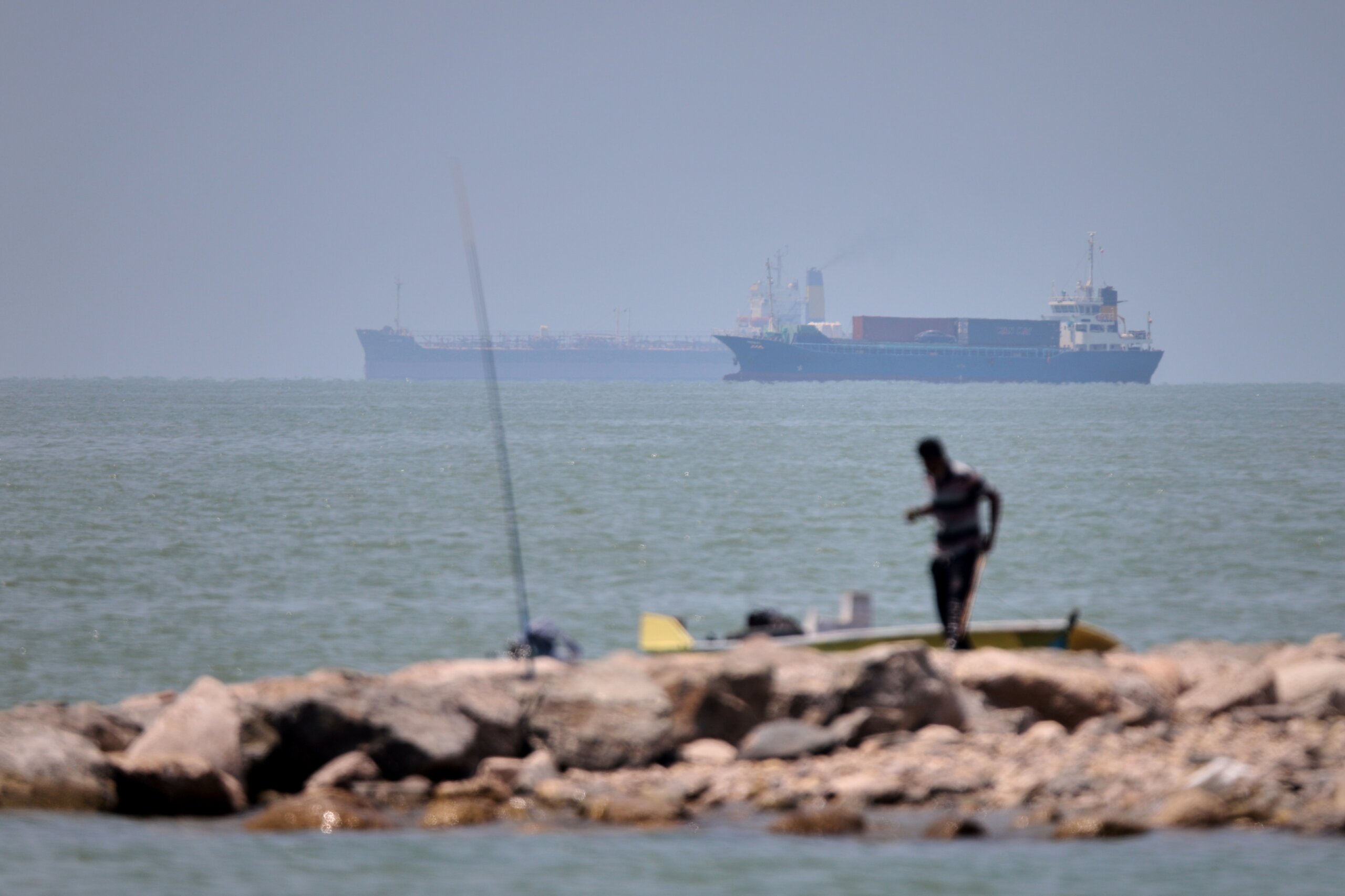
DUBAI, United Arab Emirates (AP) — Iran's paramilitary Revolutionary Guard launched drone and missile attacks Sunday targeting Bahrain and Kuwait in response to U.S. airstrikes that hit the Islamic Republic, and threatened a “complete halt” could come to negotiations to end the war if Washington continues its attacks. Efforts to reopen the Strait of Hormuz, the narrow mouth of the Persian Gulf that once carried a fifth of the world's oil and natural gas, without Iran's direct oversight sparked the crossfire now gripping the region. A multinational maritime body overseen by the U.S. Navy said Saturday that it would expand a route near Oman in the Strait of Hormuz to allow for both inbound and outbound traffic — setting up a new flashpoint with Tehran. Iran insists it alone must govern the strait after the war, upending decades of the world considering that the strait was international waters free for all, despite its sitting in Iran and Oman's territorial waters. Tehran has twice attacked vessels going through the Oman route, backed by a United Nations agency, in recent days. Early Sunday, the U.S. military’s Central Command said it struck Iranian military “surveillance infrastructure, communication systems, air defense sites, drone storage facilities and minelayer capabilities” following an attack on a ship at sea early Saturday morning. That ship, the Panamanian-flagged tanker Kiku, carried crude oil for the state-run energy company of Qatar, a key negotiator between Iran and the United States.
Read Next Story