
China’s Communist Party investigates ex-Xinjiang leader Ma Xingrui

BANGKOK (AP) — The disciplinary body for China ‘s Communist Party said Friday it has placed the former Xinjiang party chief under investigation over suspected violations of discipline and law.

Ma Xingrui is a member of the party’s Central Committee and served as party secretary of the Xinjiang region in China’s northwest from 2021-2025. He also previously served as director of the National Ethnic Affairs Commission and deputy party chief in Guangdong province.

It was unclear what violations Ma allegedly committed. Ma is the latest senior official to be removed from power this year. China’s Xi Jinping removed the top general in charge of the country’s military in January.

Ma was replaced by Chen Xiaojiang last July as party chief of Xinjiang, a region that had become well-known internationally for a yearslong campaign of extrajudicial detentions.

China had detained a million or more minorities, including ethnic Uyghur Muslims, saying it was in response to a series of attacks by a small number of Uyghur extremists

By 2021, when Ma had become secretary, China said it had shut most of the detention centers. But at least a few camp sites had been converted into prison-like centers, and information leaked to the AP showed that thousands of Uyghurs were thrown into prison with long sentences on what experts called trumped-up charges.

In March, China passed a law that experts say cements its assimilationist approach towards its ethnic minority groups, building on years of policy changes at the provincial level in Xinjiang and elsewhere.
Iran attacks Bahrain and Kuwait following US strikes, threatens to end talks to end the war

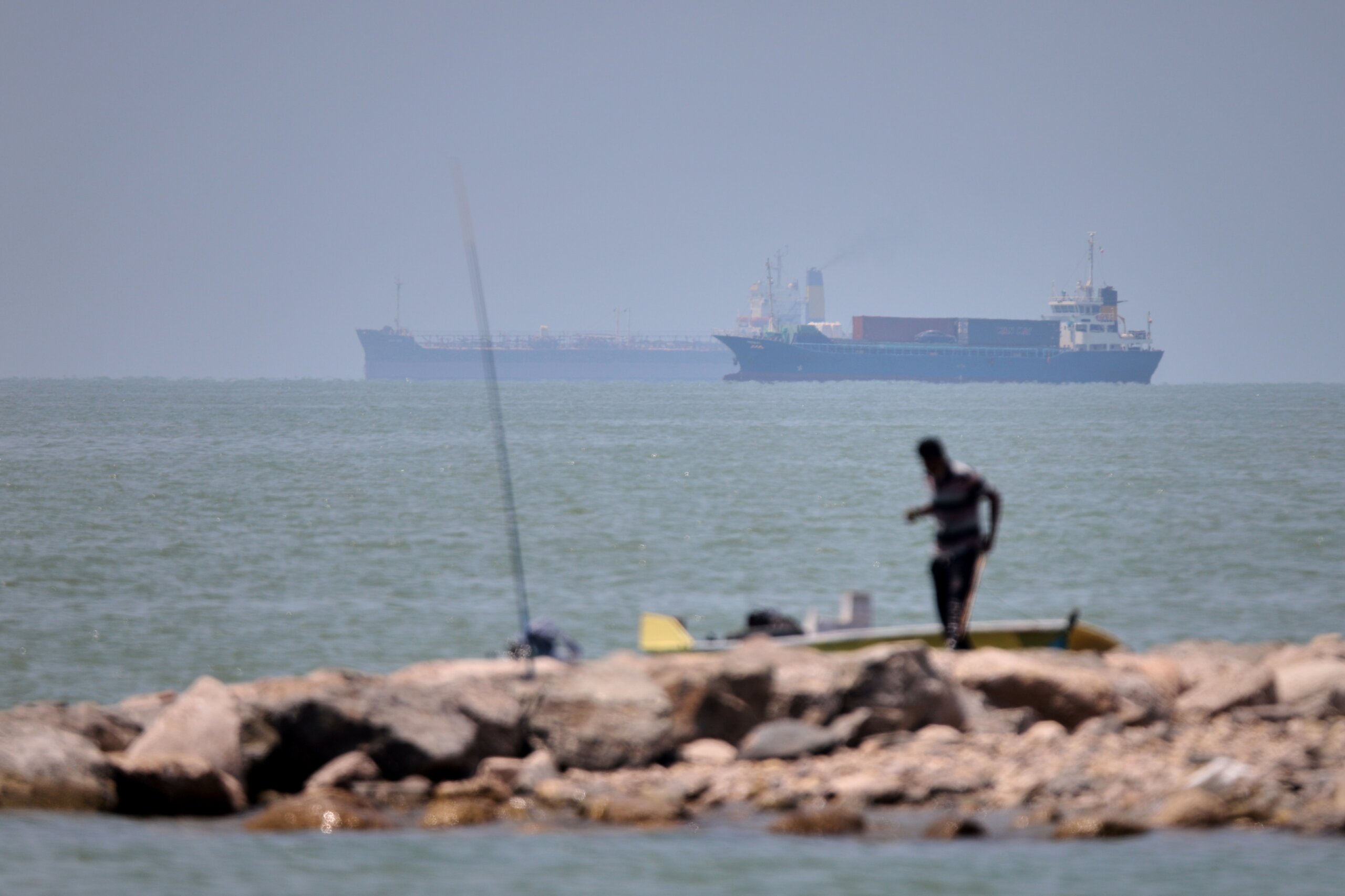
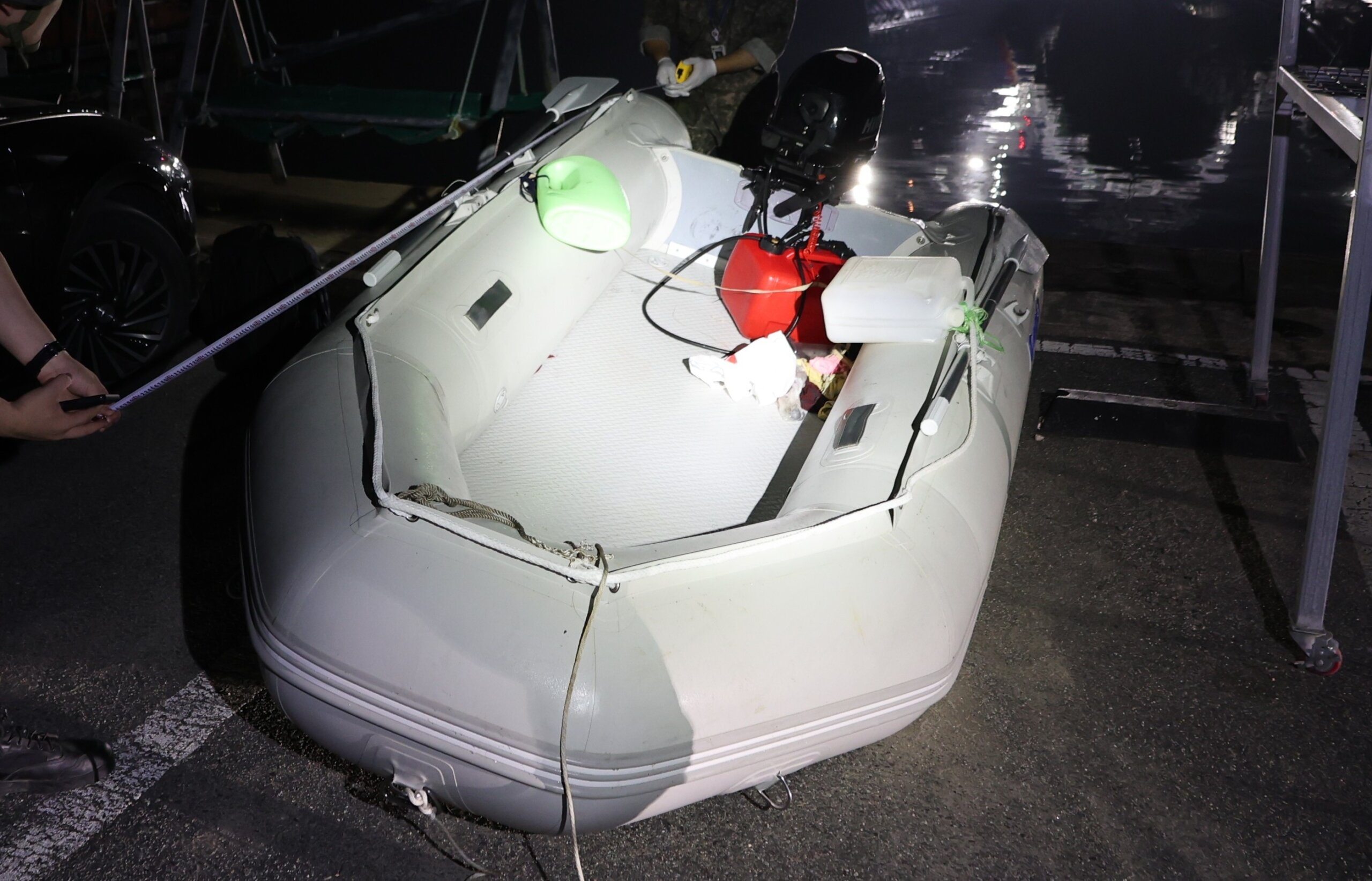
DUBAI, United Arab Emirates (AP) — Iran's paramilitary Revolutionary Guard launched drone and missile attacks Sunday targeting Bahrain and Kuwait in response to U.S. airstrikes that hit the Islamic Republic, and threatened a “complete halt” could come to negotiations to end the war if Washington continues its attacks. Efforts to reopen the Strait of Hormuz, the narrow mouth of the Persian Gulf that once carried a fifth of the world's oil and natural gas, without Iran's direct oversight sparked the crossfire now gripping the region. A multinational maritime body overseen by the U.S. Navy said Saturday that it would expand a route near Oman in the Strait of Hormuz to allow for both inbound and outbound traffic — setting up a new flashpoint with Tehran. Iran insists it alone must govern the strait after the war, upending decades of the world considering that the strait was international waters free for all, despite its sitting in Iran and Oman's territorial waters. Tehran has twice attacked vessels going through the Oman route, backed by a United Nations agency, in recent days. Early Sunday, the U.S. military’s Central Command said it struck Iranian military “surveillance infrastructure, communication systems, air defense sites, drone storage facilities and minelayer capabilities” following an attack on a ship at sea early Saturday morning. That ship, the Panamanian-flagged tanker Kiku, carried crude oil for the state-run energy company of Qatar, a key negotiator between Iran and the United States.
Read Next Story