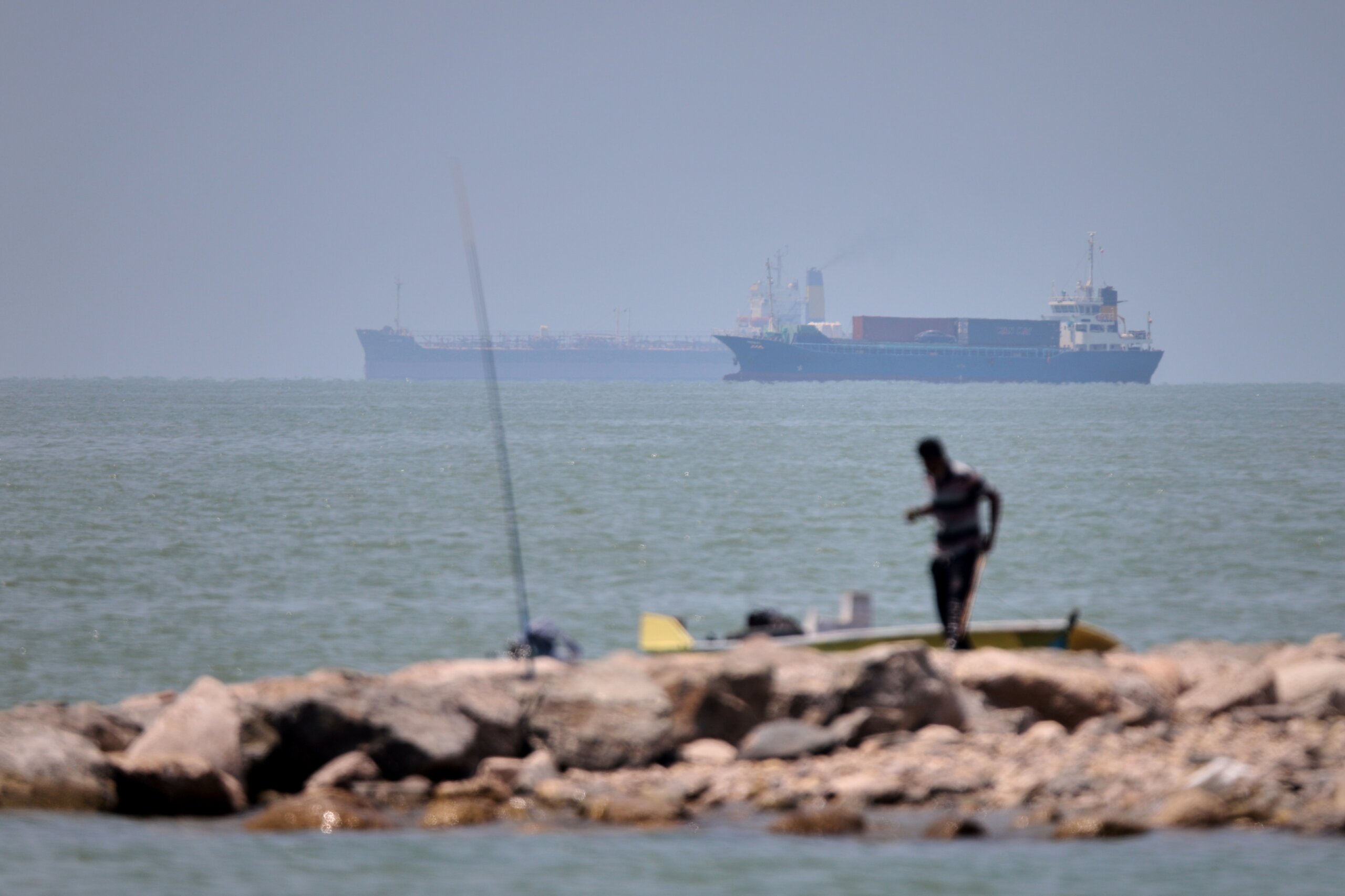
MOSCOW (AP) — Russia plans to send a second oil tanker to Cuba, the country’s energy minister said Thursday, citing the island’s ongoing energy blockade and reiterating Russia’s solidarity with the troubled Caribbean nation.
The announcement comes just two days after sanctioned Russian tanker Anatoly Kolodkin docked at the Cuban port of Matanzas laden with 730,000 barrels of oil, marking the first time in three months that an oil tanker reached the island. Experts have said that shipment could produce about 180,000 barrels of diesel, enough to feed Cuba’s daily demand for nine or 10 days.
Energy Minister Sergei Tsivilyov spoke on the sidelines of an energy forum in the Russian city of Kazan.
“Cuba is in a total blockade, it’s been cut off. Whose shipment of oil made it? A Russian vessel broke through the blockade. A second one is being loaded right now, we will not leave Cubans alone in trouble,” Tsivilyov said.
In Havana, hundreds of people gathered aboard bicycles, motorcycles and small, three-wheeled vehicles to protest the U.S. embargo against Cuba.
“Yes to Cuba! No to the blockade!” the crowd yelled as it zoomed along Havana’s famed seawall, past the U.S. Embassy and toward the downtown area.
Cuban President Miguel Díaz-Canel and other officials watched the march go by but refrained from participating.
“Who’s afraid here? Who is going to surrender here?” some people riding electric scooters shouted.
Among those participating in the protest was 33-year-old Havana resident Yeni López. “We came by bicycle, given the situation the country is facing in the current context, to reaffirm that we will always be present.”
In late January, U.S. President Donald Trump threatened tariffs on any country that sells or supplies oil to Cuba, although he recently said he had “no problem” with the Russian oil tanker that delivered relief to the island on Tuesday, saying he didn’t think it would help prop up the Cuban government.
“Cuba’s finished,” Trump told reporters as he flew back to Washington on Sunday. “They have a bad regime. They have very bad and corrupt leadership and whether or not they get a boat of oil, it’s not going to matter.”
Cuba produces barely 40% of its required fuel and relies on imports to sustain its crumbling energy grid.
Critical oil shipments from Venezuela were halted when the U.S. attacked the South American country and arrested its leader. Since then, Mexico also has halted its oil shipments to Cuba after Trump warned of tariffs.
The U.S. administration is demanding that Cuba ease political repression and liberalize its economy in return for lifting of sanctions.
The U.S. energy blockade has deepened Cuba’s energy and economic crises, leading to severe blackouts, cuts to the state-run food ration system, and shortages of water and medicine, with the island’s most vulnerable hardest hit.
___
Associated Press reporter Milexsy Durán in Havana contributed to this report.
___
Follow AP’s coverage of Latin America and the Caribbean at https://apnews.com/hub/latin-america