
South Korea and Indonesia expand cooperation on defense and energy as Mideast war disrupts markets

SEOUL, South Korea (AP) — South Korea and Indonesia agreed Wednesday to expand cooperation in defense industries, technology and supply chains as their leaders pledged to upgrade their strategic partnership in face of uncertainties stemming from the war in the Middle East, Seoul’s presidential office said.

After a summit in Seoul between President Lee Jae Myung and Indonesian President Prabowo Subianto, the two governments issued a joint statement pledging deeper economic ties and continued cooperation on joint defense projects, including fighter jets, trainer aircraft and anti-tank missile systems.

The two countries agreed to deepen cooperation on supply chains for energy, critical minerals and other resources. Lee described Indonesia as a vital source of natural gas and coal amid global energy disruptions caused by the war in the Middle East.

According to Lee’s government, South Korean companies will receive about 820,000 tons of liquefied natural gas from Indonesia this year, enough to power all of the country’s gas-fired plants for about 12 days.

The leaders expressed satisfaction with the two countries’ cooperation in developing South Korea’s homegrown KF-21 supersonic fighter, a program launched in 2015 with Indonesia as a partner. The first of these planes were rolled out last week and South Korea reportedly plans to export 16 of them to Indonesia.
Iran attacks Bahrain and Kuwait following US strikes, threatens to end talks to end the war

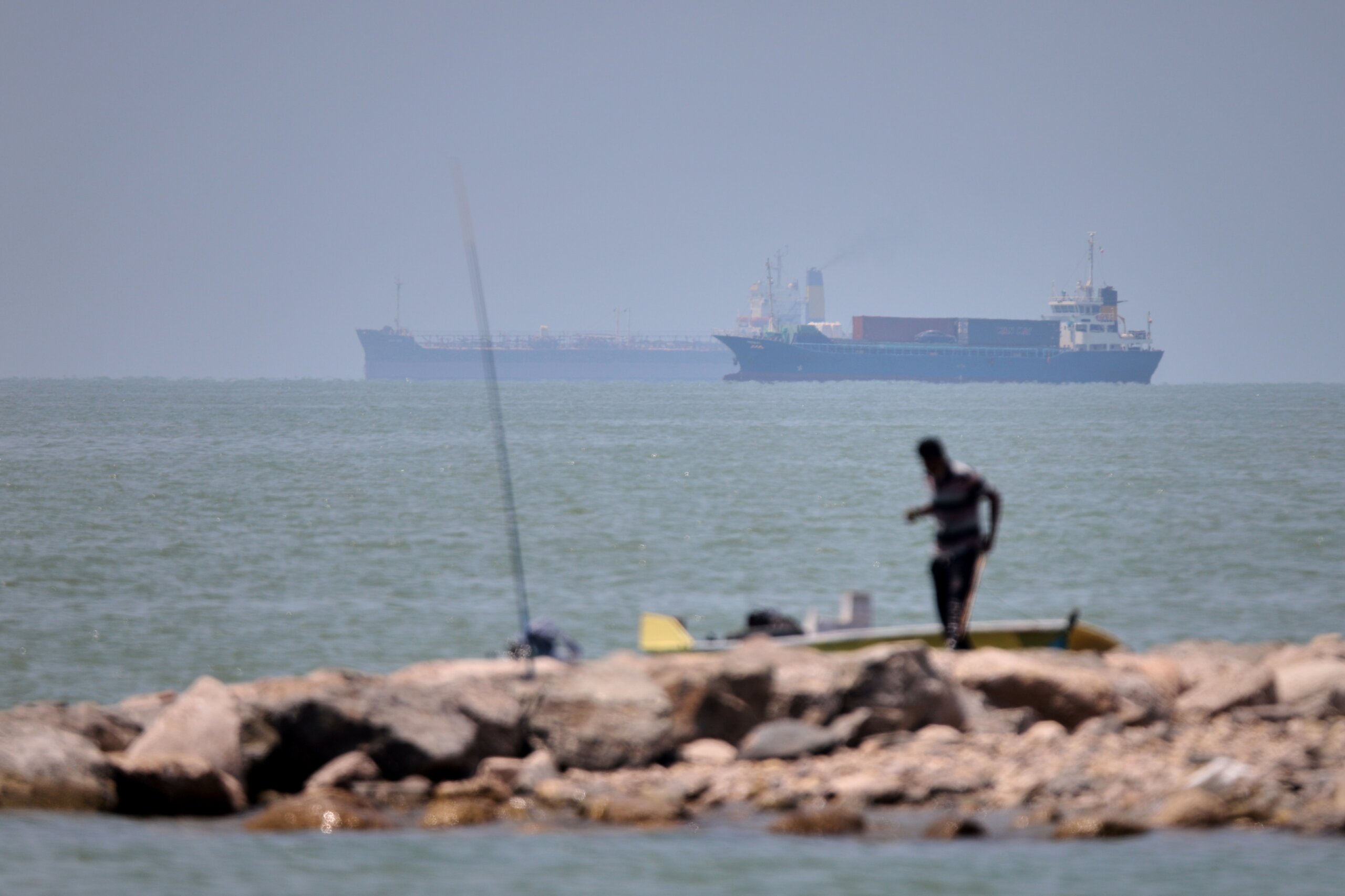
DUBAI, United Arab Emirates (AP) — Iran's paramilitary Revolutionary Guard launched drone and missile attacks Sunday targeting Bahrain and Kuwait in response to U.S. airstrikes that hit the Islamic Republic, and threatened a “complete halt” could come to negotiations to end the war if Washington continues its attacks. Efforts to reopen the Strait of Hormuz, the narrow mouth of the Persian Gulf that once carried a fifth of the world's oil and natural gas, without Iran's direct oversight sparked the crossfire now gripping the region. A multinational maritime body overseen by the U.S. Navy said Saturday that it would expand a route near Oman in the Strait of Hormuz to allow for both inbound and outbound traffic — setting up a new flashpoint with Tehran. Iran insists it alone must govern the strait after the war, upending decades of the world considering that the strait was international waters free for all, despite its sitting in Iran and Oman's territorial waters. Tehran has twice attacked vessels going through the Oman route, backed by a United Nations agency, in recent days. Early Sunday, the U.S. military’s Central Command said it struck Iranian military “surveillance infrastructure, communication systems, air defense sites, drone storage facilities and minelayer capabilities” following an attack on a ship at sea early Saturday morning. That ship, the Panamanian-flagged tanker Kiku, carried crude oil for the state-run energy company of Qatar, a key negotiator between Iran and the United States.
Read Next Story