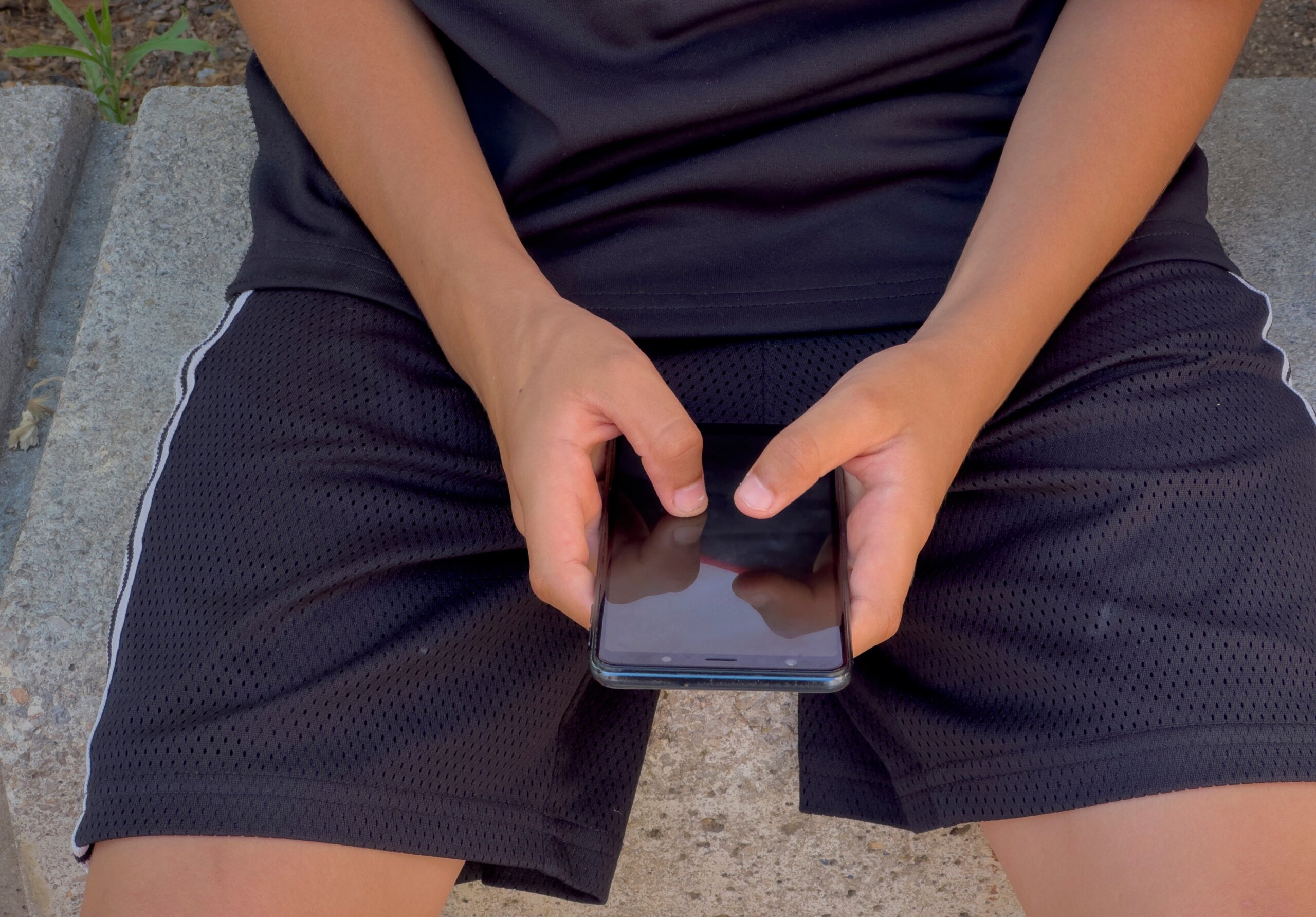
Almost three years ago, New York City joined governments across the country in banning TikTok from its phones over security concerns about the Chinese social media site.
On Tuesday, Mayor Zohran Mamdani, a bona fide social media star, took to the app to announce a reversal: “TikTok, we’re back.”
The city will now allow agencies to start posting again on the short-form social media site as long as departments follow a set of security precautions, according to a memo from city cybersecurity officials provided by the mayor’s office.
The prohibition was established by Eric Adams, Mamdani’s predecessor, in 2023 as the federal government and many U.S. states restricted the app from government-owned devices over concerns that its parent company, ByteDance, could share data with the Chinese government.
TikTok had waved off the governments’ worries as unfounded. Since then it has reached an agreement to spin off its U.S. operation in a move to alleviate those concerns and avoid a wider ban in the country.
In a memo Tuesday, NYC Cyber Command, which is in charge of safeguarding city systems against cyber threats, wrote that the change was about broadening the city’s communications reach.
“The Mamdani administration is committed to using every tool in our toolbox to communicate with New Yorkers,” NYC Cyber Command wrote. “At a moment when people are turning to city government for information about free services, emergency situations, upcoming events, and more, we want to open up new avenues of communication with the public and help deliver the information New Yorkers need.”
The security rules: Agencies must dedicate separate devices just for using TikTok, and those devices can’t contain sensitive data and can’t be used for email or other internal systems; TikTok accounts have to be created using agency credentials, rather than a person’s email; departments have to designated specific staffers who will use TikTok.
TikTok did not immediately return a request for comment.
Mamdani, 34, has been prolific poster as both a candidate and as mayor, with his rise to political stardom aided by sharp and informative social media videos that spread like wildfire online.
The official New York City mayor TikTok handle, dormant since the ban went into effect, now shows a small handful of new posts.
One video shows Mamdani calling city dwellers to remind them about his so-called rental rip-off hearings, where residents can air grievances about poor living conditions in their apartment buildings. Another post shows Mamdani alongside the WNBA’s New York Liberty star Natasha Cloud to announce a bracket-style competition in which residents can vote to have the mayor fix a small municipal problem in their neighborhoods, such as a broken basketball rim.