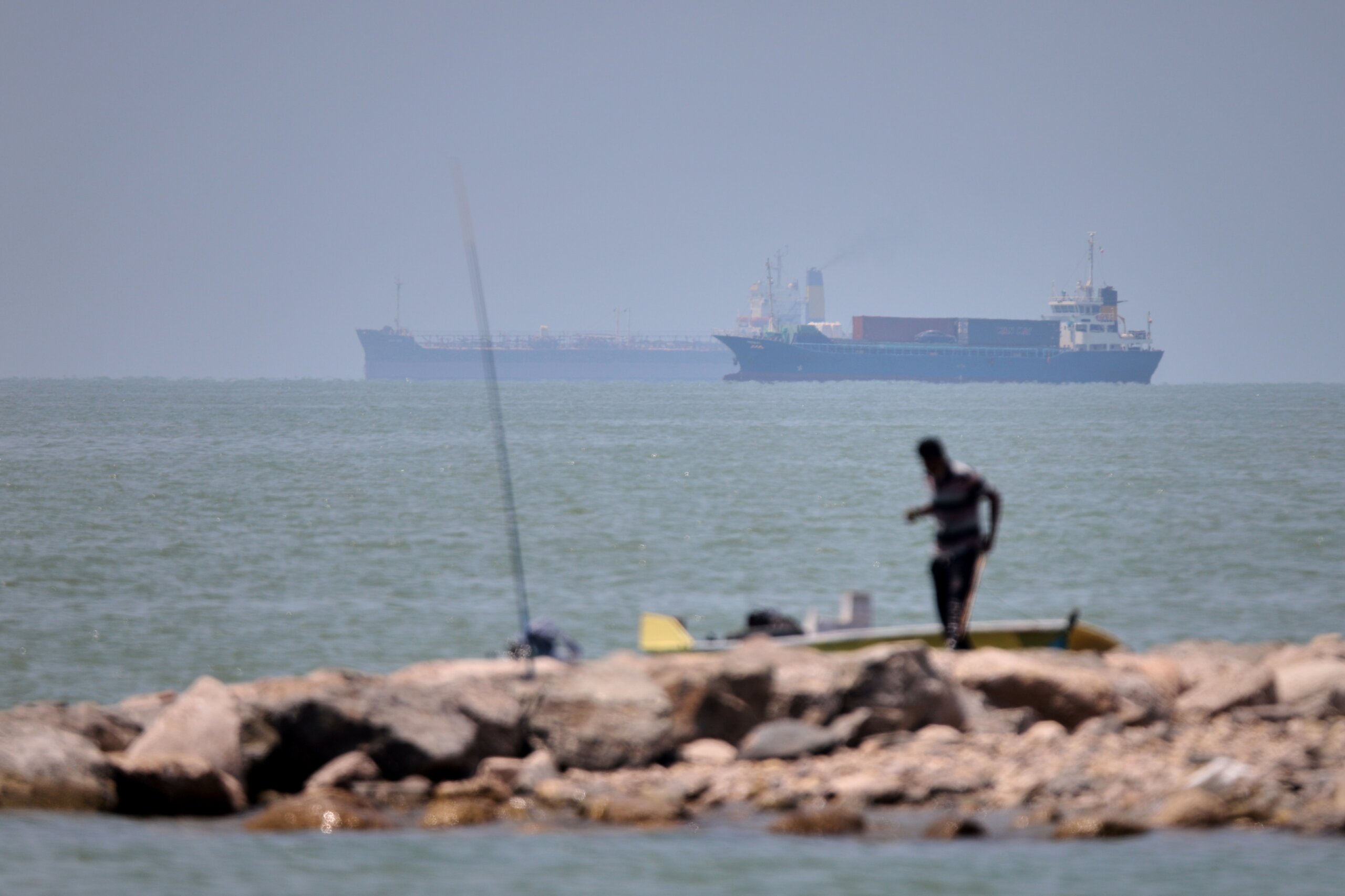
TOKYO (AP) — Japan and resource-rich Indonesia agreed Tuesday to deepen economic ties and cooperation in energy security as the two Asian countries face growing uncertainty over oil and gas supplies prompted by the war in the Middle East.
“In the wake of the Iran situation, the importance of resources and energy security is being recognized globally,” said Japanese Prime Minister Sanae Takaichi in a joint news conference after holding talks with Indonesian President Prabowo Subianto in Tokyo.
The details of the agreement are yet to be made public.
The two countries signed a deal this month to boost economic collaboration on critical minerals and nuclear energy, Takaichi said Tuesday.
Under the memorandum signed on March 15, the two sides will cooperate in building a new nuclear power plant, possibly in Indonesia’s West Kalimantan, using Japanese expertise, with potential funding by development banks, according to a document released by Japan’s Ministry of Economy, Trade and Industry.
Probowo also said his country invited Japanese cooperation in processing critical minerals such as rare earth elements, as well as in renewables and nuclear power
Japan, despite the 2011 Fukushima nuclear disaster, is now promoting nuclear energy and seeking to expand cooperation with Southeast Asian nations as part of its zero-carbon emissions initiative. Indonesia is looking to nuclear power to meet surging energy demands.
Indonesia last year announced plans to build two small modular reactors on a southern Indonesian island by 2034. Officials there say Canada and Russia have issued formal cooperation proposals.
Takaichi and Prabowo also agreed to deepen cooperation to help stabilize supply chains, including liquefied natural gas, Japan’s Foreign Ministry said in a statement.
Resource-scarce Japan is among the world’s top importers of LNG, and about 5% of its supply comes from Indonesia.
Japan, more than 90% of whose oil imports come from the Middle East, is also seeking to diversify suppliers. The country started releasing state and commercial oil reserves this month to stabilize its market.
___
Associated Press writer Niniek Karmini in Jakarta, Indonesia, contributed to this report.