
Haiti imposes austerity measures as Iran war drives up oil prices and disrupts supplies

PORT-AU-PRINCE, Haiti (AP) — Haiti’s government announced new austerity measures on Tuesday as the war in Iran disrupts critical oil supplies and drives up prices worldwide.

Officials in the troubled Caribbean country imposed a ban on the purchase of any new vehicles, will reduce fuel expenditures for public institutions and said that foreign travel will be limited to essential missions authorized by the prime minister.

In addition, security escorts will be limited to one vehicle in a country where gangs control an estimated 90% of the capital, Port-au-Prince, and swaths of rural areas.

A statement signed by Prime Minister Alix Didier Fils-Aimé said that the measures will allow the government “to anticipate serious repercussions on the already fragile macroeconomic balance and public finances in particular.”

“The government has no choice but to further reduce state spending,” the statement said.

Poverty across Haiti has deepened as gangs continue to seize control of more territory since the July 2021 assassination of President Jovenel Moïse.

Countries around the world have taken other measures as the war rages on, including shifting to a four-day work week.
Iran attacks Bahrain and Kuwait following US strikes, threatens to end talks to end the war

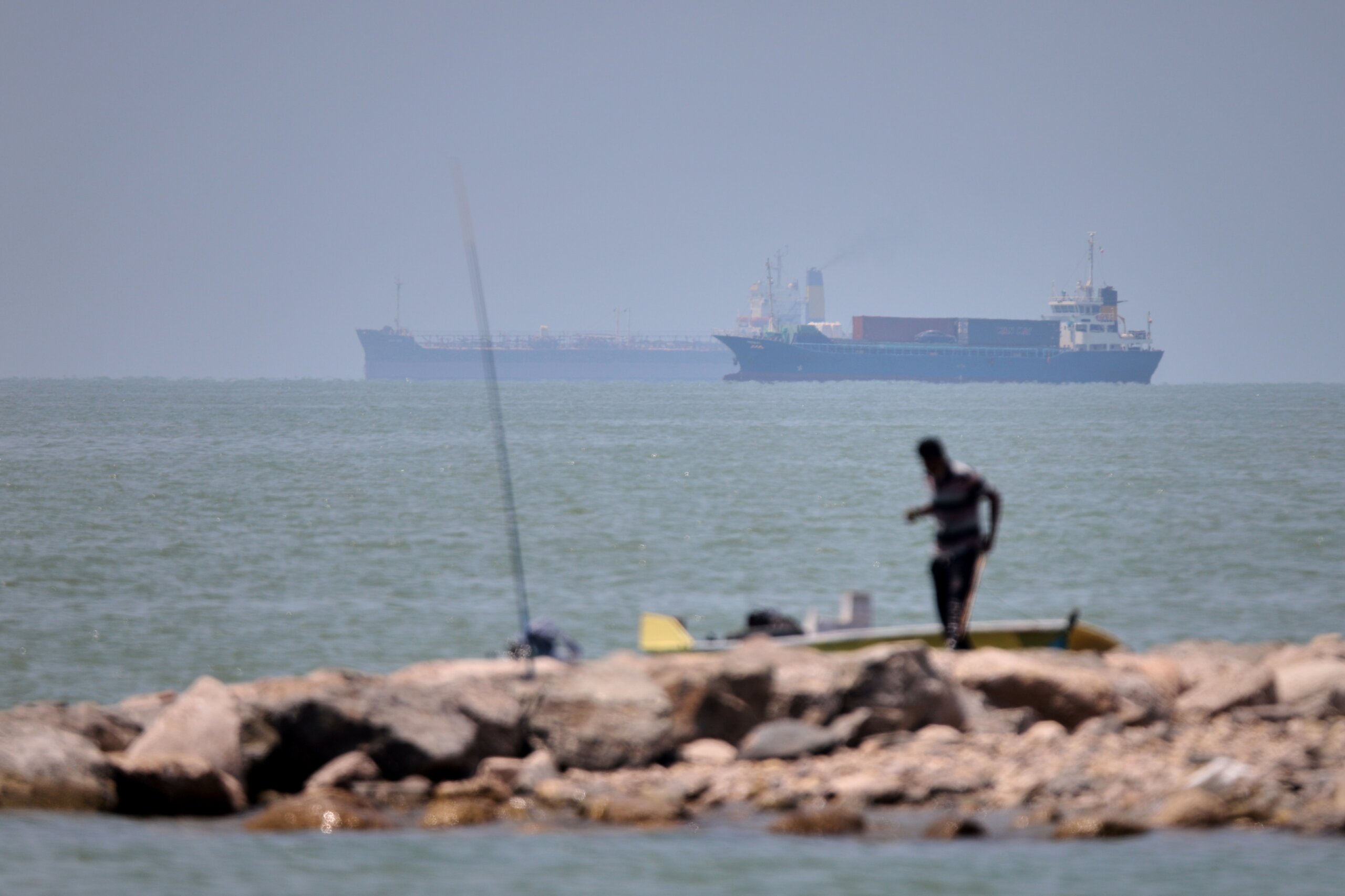
DUBAI, United Arab Emirates (AP) — Iran's paramilitary Revolutionary Guard launched drone and missile attacks Sunday targeting Bahrain and Kuwait in response to U.S. airstrikes that hit the Islamic Republic, and threatened a “complete halt” could come to negotiations to end the war if Washington continues its attacks. Efforts to reopen the Strait of Hormuz, the narrow mouth of the Persian Gulf that once carried a fifth of the world's oil and natural gas, without Iran's direct oversight sparked the crossfire now gripping the region. A multinational maritime body overseen by the U.S. Navy said Saturday that it would expand a route near Oman in the Strait of Hormuz to allow for both inbound and outbound traffic — setting up a new flashpoint with Tehran. Iran insists it alone must govern the strait after the war, upending decades of the world considering that the strait was international waters free for all, despite its sitting in Iran and Oman's territorial waters. Tehran has twice attacked vessels going through the Oman route, backed by a United Nations agency, in recent days. Early Sunday, the U.S. military’s Central Command said it struck Iranian military “surveillance infrastructure, communication systems, air defense sites, drone storage facilities and minelayer capabilities” following an attack on a ship at sea early Saturday morning. That ship, the Panamanian-flagged tanker Kiku, carried crude oil for the state-run energy company of Qatar, a key negotiator between Iran and the United States.
Read Next Story