
Death toll in Afghanistan flooding increases to 28, authorities say

KABUL, Afghanistan (AP) — Afghan authorities said Monday that the death toll from severe weather that has struck swathes of the country over the past four days has increased to 28, with 49 people injured. Dozens of people have died from extreme weather in the country so far this year.

Storms and heavy rainfall over the past few days across several provinces have led to severe flooding, landslides and lightning strikes, the Afghanistan National Disaster Management Authority said, adding that the figures could increase as more details become available.

The severe weather has destroyed 130 homes and damaged a further 436, while it has also killed more than 240 animals, wiped out 93 kilometers (58 miles) of roads and destroyed irrigation canals and agricultural land, the authority said. In all, 1,130 families have been affected, it added.

Earlier this year, heavy snowfall and flash floods left dozens of people dead across the country.

Afghanistan is highly vulnerable to extreme weather events, with snow and heavy rain that trigger flash floods, often killing dozens, or even hundreds, of people at a time. In 2024, more than 300 people died in springtime flash floods.

Decades of conflict, coupled with poor infrastructure, a struggling economy, deforestation and the intensifying effects of climate change have amplified the impact of such disasters, particularly in remote areas where many homes are built of mud and offer limited protection against sudden deluges or heavy snowfall.
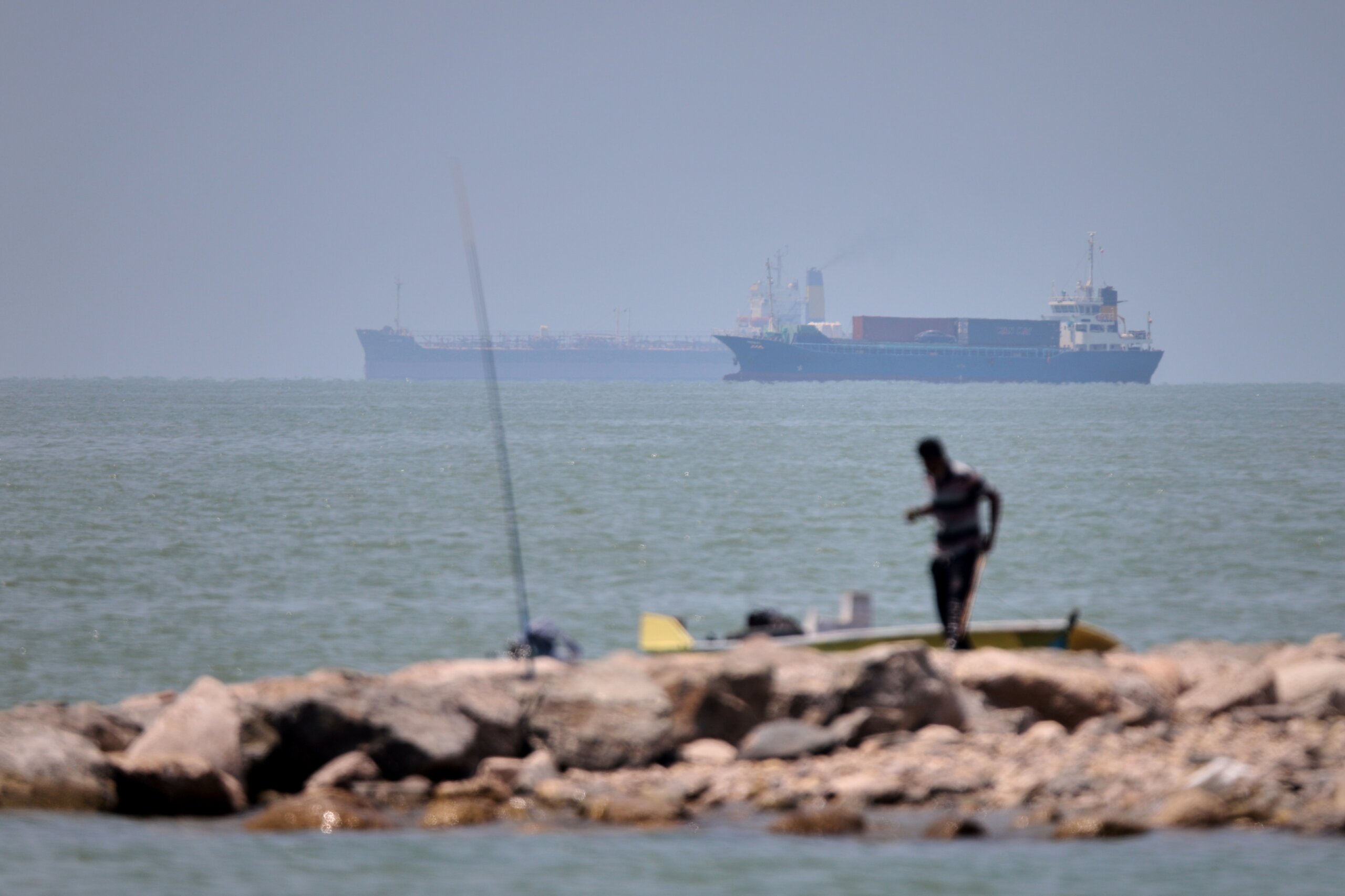

Iran attacks Bahrain and Kuwait following US strikes, threatens to end talks to end the war

DUBAI, United Arab Emirates (AP) — Iran's paramilitary Revolutionary Guard launched drone and missile attacks Sunday targeting Bahrain and Kuwait in response to U.S. airstrikes that hit the Islamic Republic, and threatened a “complete halt” could come to negotiations to end the war if Washington continues its attacks. Efforts to reopen the Strait of Hormuz, the narrow mouth of the Persian Gulf that once carried a fifth of the world's oil and natural gas, without Iran's direct oversight sparked the crossfire now gripping the region. A multinational maritime body overseen by the U.S. Navy said Saturday that it would expand a route near Oman in the Strait of Hormuz to allow for both inbound and outbound traffic — setting up a new flashpoint with Tehran. Iran insists it alone must govern the strait after the war, upending decades of the world considering that the strait was international waters free for all, despite its sitting in Iran and Oman's territorial waters. Tehran has twice attacked vessels going through the Oman route, backed by a United Nations agency, in recent days. Early Sunday, the U.S. military’s Central Command said it struck Iranian military “surveillance infrastructure, communication systems, air defense sites, drone storage facilities and minelayer capabilities” following an attack on a ship at sea early Saturday morning. That ship, the Panamanian-flagged tanker Kiku, carried crude oil for the state-run energy company of Qatar, a key negotiator between Iran and the United States.
Read Next Story