
China resumes direct flights to North Korea after 6 years

BEIJING (AP) — China’s flag carrier resumed direct flights between Beijing and North Korea’s capital of Pyongyang on Monday not long after the restoration of passenger train services between the capitals.

The Air China flight was welcomed by the Chinese ambassador to North Korea, Wang Yajun, and other diplomats, according to Chinese state media.

Passenger train service from China to North Korea had resumed March 12.

Flights and passenger trains to North Korea had been suspended since the beginning of the COVID-19 pandemic in 2020.

North Korean carrier Air Koryo resumed flights between the capitals in 2023.

North Korea banned all foreign tourists during the pandemic but has started easing the restrictions, with a Russian tour group entering the country in 2024.

Chinese tour groups had made up 90% of all visitors to North Korea prior to the ban, and the delay on resuming Chinese tours surprised observers.

China is Pyongyang’s biggest trading partner and major ally, but Beijing has expressed disapproval over the years at North Korea’s test-launches of missiles that could be used to target South Korea and the United States.

North Korean leader Kim Jong Un traveled to Beijing in September to attend a massive military parade, marking the first time a North Korean leader had been present at a Chinese military parade in decades.
Iran attacks Bahrain and Kuwait following US strikes, threatens to end talks to end the war

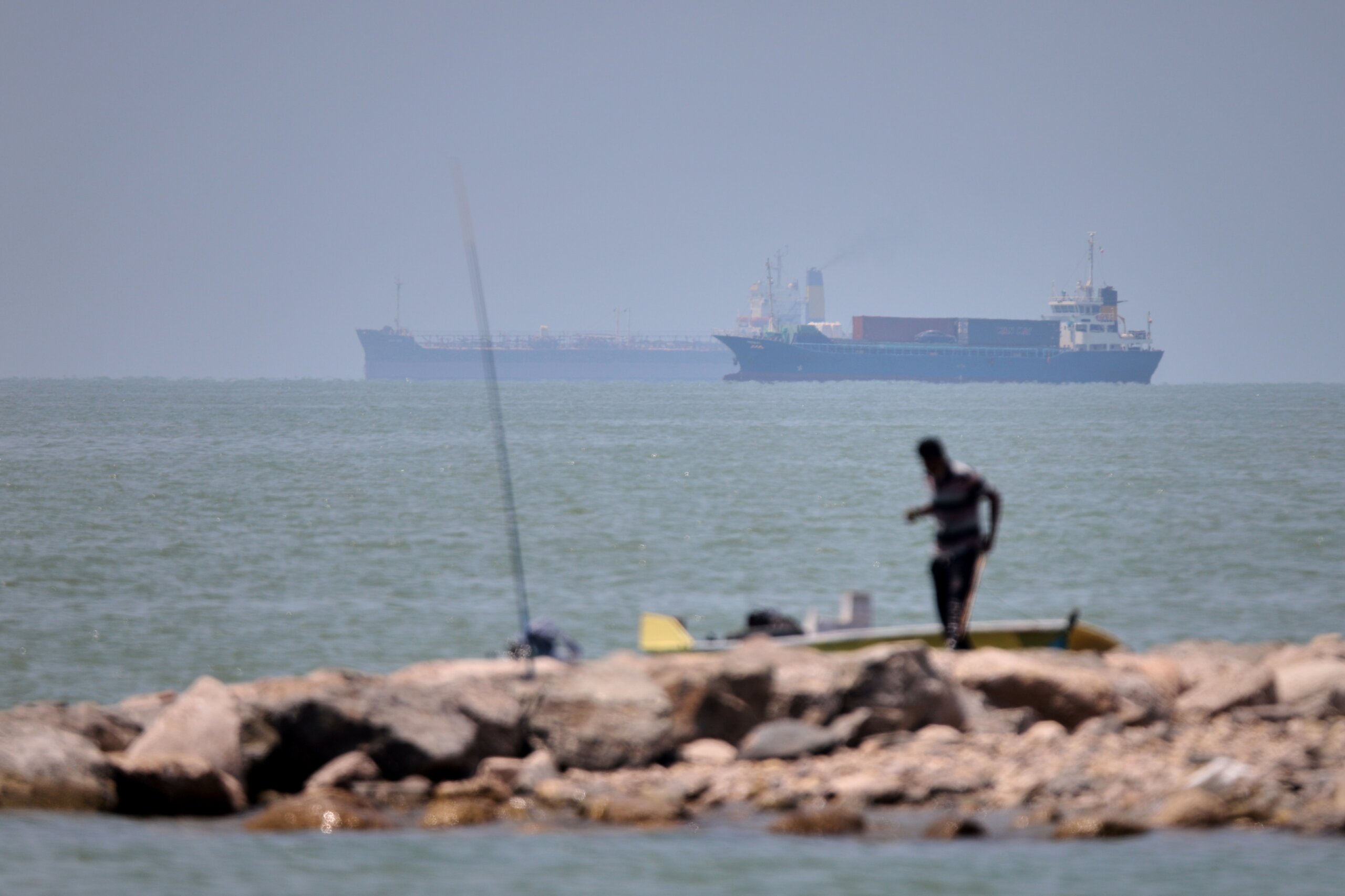
DUBAI, United Arab Emirates (AP) — Iran's paramilitary Revolutionary Guard launched drone and missile attacks Sunday targeting Bahrain and Kuwait in response to U.S. airstrikes that hit the Islamic Republic, and threatened a “complete halt” could come to negotiations to end the war if Washington continues its attacks. Efforts to reopen the Strait of Hormuz, the narrow mouth of the Persian Gulf that once carried a fifth of the world's oil and natural gas, without Iran's direct oversight sparked the crossfire now gripping the region. A multinational maritime body overseen by the U.S. Navy said Saturday that it would expand a route near Oman in the Strait of Hormuz to allow for both inbound and outbound traffic — setting up a new flashpoint with Tehran. Iran insists it alone must govern the strait after the war, upending decades of the world considering that the strait was international waters free for all, despite its sitting in Iran and Oman's territorial waters. Tehran has twice attacked vessels going through the Oman route, backed by a United Nations agency, in recent days. Early Sunday, the U.S. military’s Central Command said it struck Iranian military “surveillance infrastructure, communication systems, air defense sites, drone storage facilities and minelayer capabilities” following an attack on a ship at sea early Saturday morning. That ship, the Panamanian-flagged tanker Kiku, carried crude oil for the state-run energy company of Qatar, a key negotiator between Iran and the United States.
Read Next Story