
Mongolia’s prime minister resigns following tensions within the ruling party

ULAANBAATAR, Mongolia (AP) — Mongolia ’s Prime Minister Zandanshatar Gombojav resigned Friday after rising tensions within the ruling Mongolian People’s Party and a parliamentary boycott by the opposition.

The parliament accepted Zandanshatar’s resignation.

The opposition Democratic Party earlier this month launched a boycott of parliamentary activity, citing concerns over the concentration of power within the ruling party. There have been months of corruption allegations against Justice Minister Enkhbayar Battumur, a close ally of Zandanshatar, who has not been accused.

In a statement on social media, Zandanshatar, who had been prime minister since June, said the political infighting would end up harming the economy and lead to rising prices.

Upon parliamentary approval, he is set to be replaced by party chairman Nyam-Osoryn Uchral, who is currently serving as parliament speaker.

The turmoil is likely to heighten concerns among foreign investors, who have been wary of Mongolia’s political volatility and the short tenure of successive governments.

The country, heavily dependent on mining exports to neighboring China, has struggled with shifting regulations and corruption concerns.
Iran attacks Bahrain and Kuwait following US strikes, threatens to end talks to end the war

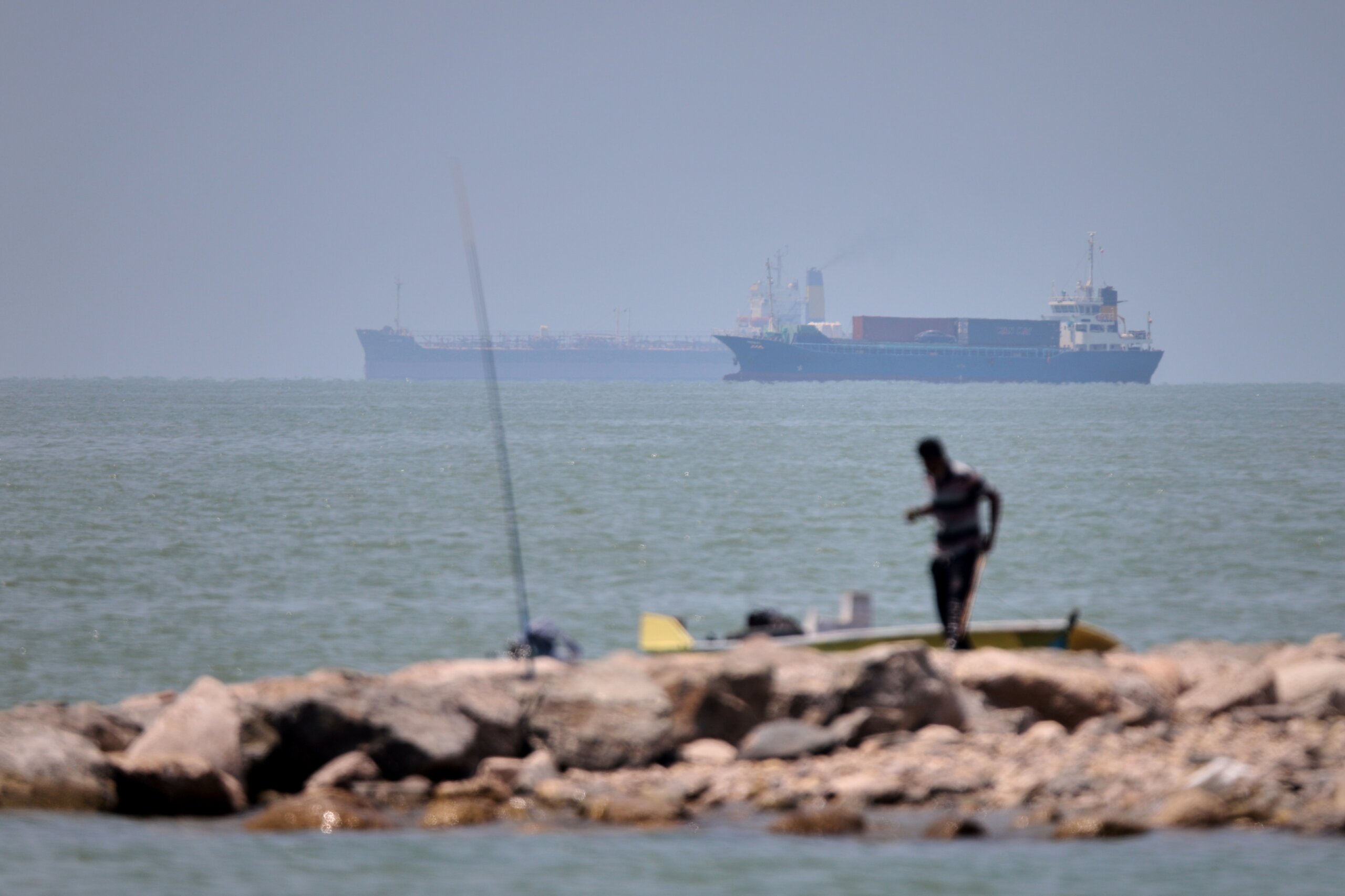
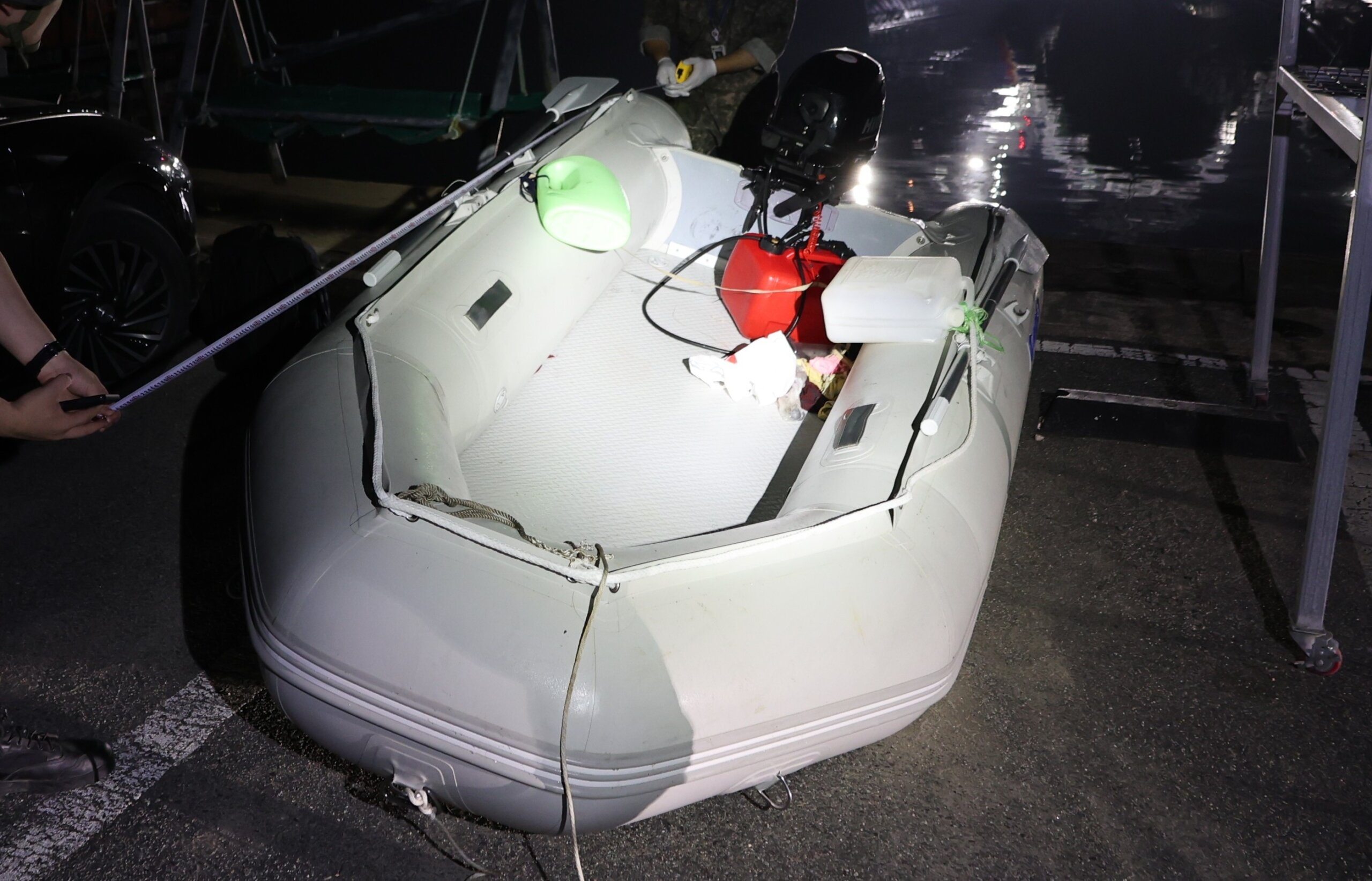
DUBAI, United Arab Emirates (AP) — Iran's paramilitary Revolutionary Guard launched drone and missile attacks Sunday targeting Bahrain and Kuwait in response to U.S. airstrikes that hit the Islamic Republic, and threatened a “complete halt” could come to negotiations to end the war if Washington continues its attacks. Efforts to reopen the Strait of Hormuz, the narrow mouth of the Persian Gulf that once carried a fifth of the world's oil and natural gas, without Iran's direct oversight sparked the crossfire now gripping the region. A multinational maritime body overseen by the U.S. Navy said Saturday that it would expand a route near Oman in the Strait of Hormuz to allow for both inbound and outbound traffic — setting up a new flashpoint with Tehran. Iran insists it alone must govern the strait after the war, upending decades of the world considering that the strait was international waters free for all, despite its sitting in Iran and Oman's territorial waters. Tehran has twice attacked vessels going through the Oman route, backed by a United Nations agency, in recent days. Early Sunday, the U.S. military’s Central Command said it struck Iranian military “surveillance infrastructure, communication systems, air defense sites, drone storage facilities and minelayer capabilities” following an attack on a ship at sea early Saturday morning. That ship, the Panamanian-flagged tanker Kiku, carried crude oil for the state-run energy company of Qatar, a key negotiator between Iran and the United States.
Read Next Story