A strike on a hospital in Sudan killed at least 64 people, WHO says

CAIRO (AP) — At least 64 people were killed, including at least 13 children, in a strike on a hospital in Sudan’s western Darfur region last week, the World Health Organization said Saturday.

The strike on the Al Daein Teaching Hospital in East Darfur on Friday also injured at least 89 people and rendered the hospital non-functional, Tedros Ghebreyesus, the head of the WHO, said on X.

Sudan slid into chaos in April 2023 when a power struggle between the military and the rival paramilitary Rapid Support Forces exploded into war throughout the country.

The RSF has blamed the military for the strike on the hospital.

The army has denied the attack, but two military officials said the strike was targeting a nearby police station. They spoke on the condition of anonymity as they were not allowed to discuss the matter openly.

The devastating war has killed more than 40,000 people, according to U.N. figures, but aid groups say that is an undercount and the true number could be many times higher.

The WHO has said that over 2,000 people have been killed in attacks on medical facilities since the start of the war.

“Enough blood has been spilled. Enough suffering has been inflicted. The time has come to de-escalate the conflict in Sudan,” said Ghebreyesus.

___

Associated Press reporter Yassir Abdalla in Shendi, Sudan, contributed to this report.
Iran attacks Bahrain and Kuwait following US strikes, threatens to end talks to end the war

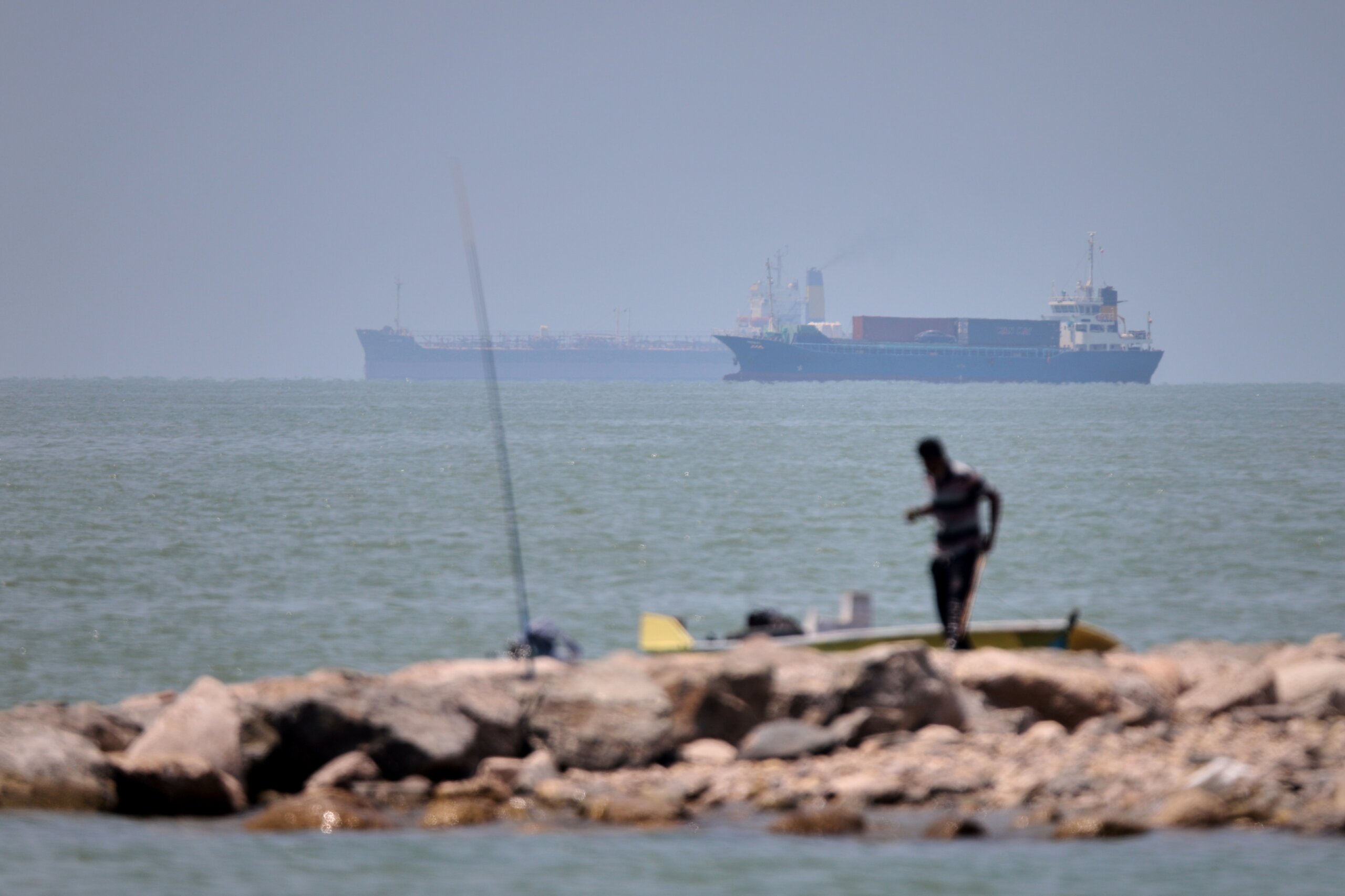
DUBAI, United Arab Emirates (AP) — Iran's paramilitary Revolutionary Guard launched drone and missile attacks Sunday targeting Bahrain and Kuwait in response to U.S. airstrikes that hit the Islamic Republic, and threatened a “complete halt” could come to negotiations to end the war if Washington continues its attacks. Efforts to reopen the Strait of Hormuz, the narrow mouth of the Persian Gulf that once carried a fifth of the world's oil and natural gas, without Iran's direct oversight sparked the crossfire now gripping the region. A multinational maritime body overseen by the U.S. Navy said Saturday that it would expand a route near Oman in the Strait of Hormuz to allow for both inbound and outbound traffic — setting up a new flashpoint with Tehran. Iran insists it alone must govern the strait after the war, upending decades of the world considering that the strait was international waters free for all, despite its sitting in Iran and Oman's territorial waters. Tehran has twice attacked vessels going through the Oman route, backed by a United Nations agency, in recent days. Early Sunday, the U.S. military’s Central Command said it struck Iranian military “surveillance infrastructure, communication systems, air defense sites, drone storage facilities and minelayer capabilities” following an attack on a ship at sea early Saturday morning. That ship, the Panamanian-flagged tanker Kiku, carried crude oil for the state-run energy company of Qatar, a key negotiator between Iran and the United States.
Read Next Story