HAVANA (AP) — Cuba’s power grid collapsed Saturday leaving the country without electricity for a third time in March as the communist government battles with a decaying infrastructure and a U.S.-imposed oil blockade.
The Cuban Electric Union, which reports to the Ministry of Energy and Mines, announced a total blackout across the island without initially giving a cause for the outage.
The union later said the blackout was caused by an unexpected failure of a generating unit at the Nuevitas thermoelectric plant in Camagüey province.
“From that moment, a cascading effect occurred in the machines that were online,” said a report from the Ministry of Energy and Mines, which activated “micro-islands” of generating units to provide power to vital centers, hospitals and water systems.
Authorities said they were working to restore power.
Power outages, whether nationwide or regional, have become relatively common in the last two years due to breakdowns in the aging infrastructure. The breakdowns are compounded by daily blackouts of up to 12 hours caused by fuel shortages, which also destabilize the system.
The last nationwide blackout occurred on Monday. Saturday’s outage was the second in the past week and the third in March.
The blackouts have a significant impact on the population, whose lives are disrupted by reduced work hours, lack of electricity for cooking and food spoilage when refrigerators stop working, among many other consequences. In some cases, hospitals have canceled surgeries.
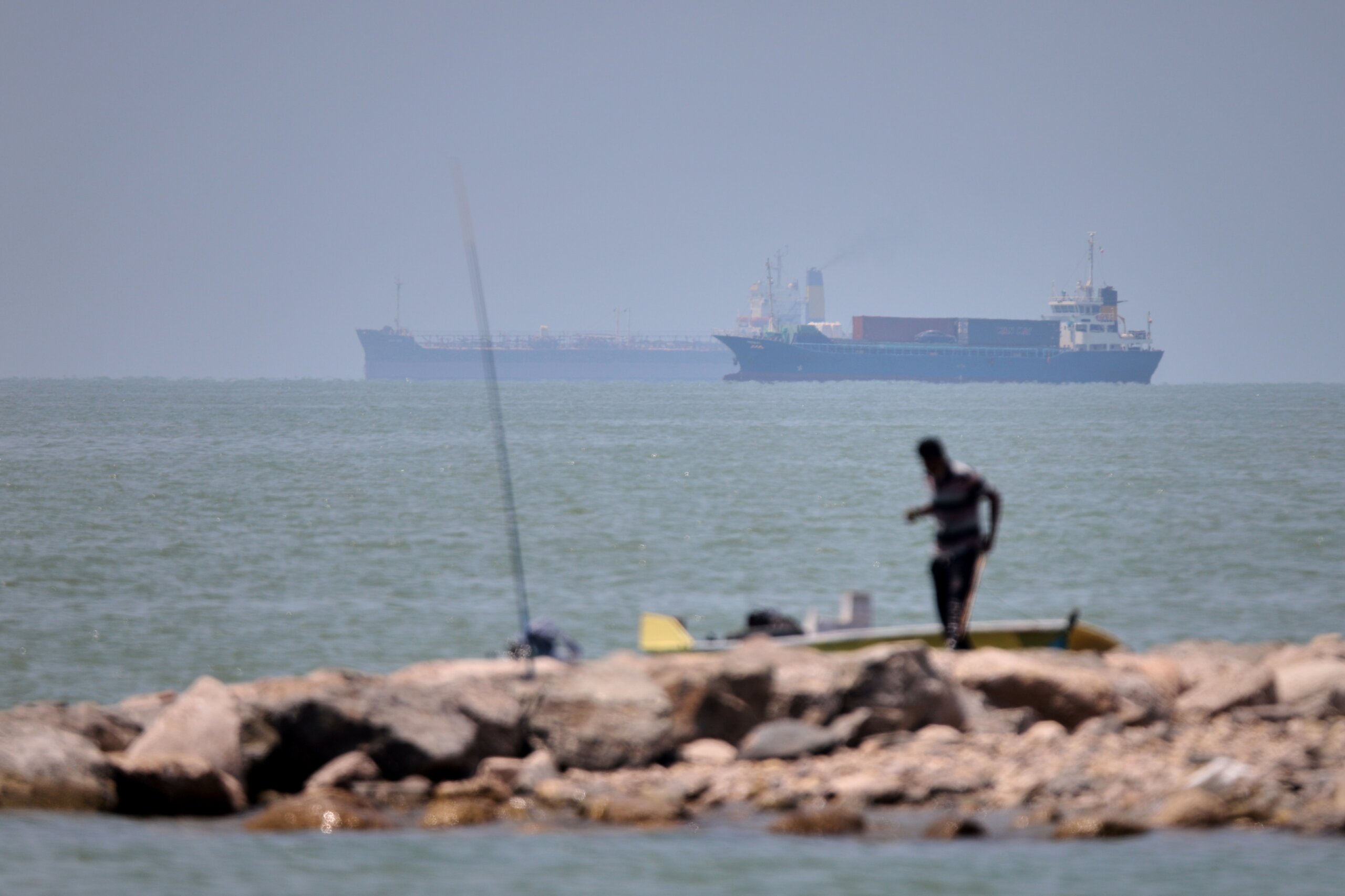
President Miguel Díaz-Canel has said the island has not received oil from foreign suppliers for three months. Cuba produces barely 40% of the fuel it needs to power its economy.
Cuba’s aging grid has drastically eroded in recent years. But the government has also blamed the outages on a U.S. energy blockade after U.S. President Donald Trump in January warned of tariffs on any country that sells or provides oil to Cuba. The Trump administration is demanding that Cuba release political prisoners and move toward political and economic liberalization in return for a lifting of sanctions. Trump also has raised the possibility of a “friendly takeover of Cuba.”
Another reason Cuba has been struggling with dwindling oil is the removal of Venezuela’s leader, which halted critical petroleum shipments from the nation that had been a steadfast ally to Havana.
Trump has for months suggested Cuba’s government is on the verge of collapse. After a previous time Cuba’s electric grid collapsed, Trump told reporters he believed he’d soon have “the honor of taking Cuba.”