Vance to visit Hungary days before Orbán’s election challenge, foreign minister says

BUDAPEST, Hungary (AP) — U.S. Vice President JD Vance will visit Hungary days before Prime Minister Viktor Orbán is set to face his toughest election challenge in two decades, according to Hungary’s foreign minister.

Vance’s office has not confirmed the trip.

The nationalist Orbán, who has been in power since 2010 and is looking for his fifth consecutive election victory on April 12, faces an unprecedented challenge from the center-right Tisza and its leader, Péter Magyar.

Trailing in most polls, Orbán has embarked on a nationwide campaign tour in an effort to shore up support.

Magyar, who has promised to restore Hungary’s democratic institutions that have eroded under Orbán and steer the country back toward its Western allies, has tested what once seemed an unshakable grip on power by the pro-Russian populist.

Speaking on a podcast that aired on Friday, Foreign Minister Péter Szijjártó said Vance’s visit “stems from the very intensive Hungarian–American intergovernmental relationship.” He did not specify a date when Vance might arrive in Hungary.

Vance’s planned trip would come after Secretary of State Marco Rubio visited the capital Budapest last month, where he strongly endorsed Orbán’s candidacy.

Orbán is one of Trump’s most vocal supporters in the European Union, and has actively curried the U.S. president’s favor leading up to the April vote. Orbán earlier expressed his hopes that Trump would make his own trip to Hungary before the election.

___

AP writer Michelle L. Price contributed.
Iran attacks Bahrain and Kuwait following US strikes, threatens to end talks to end the war

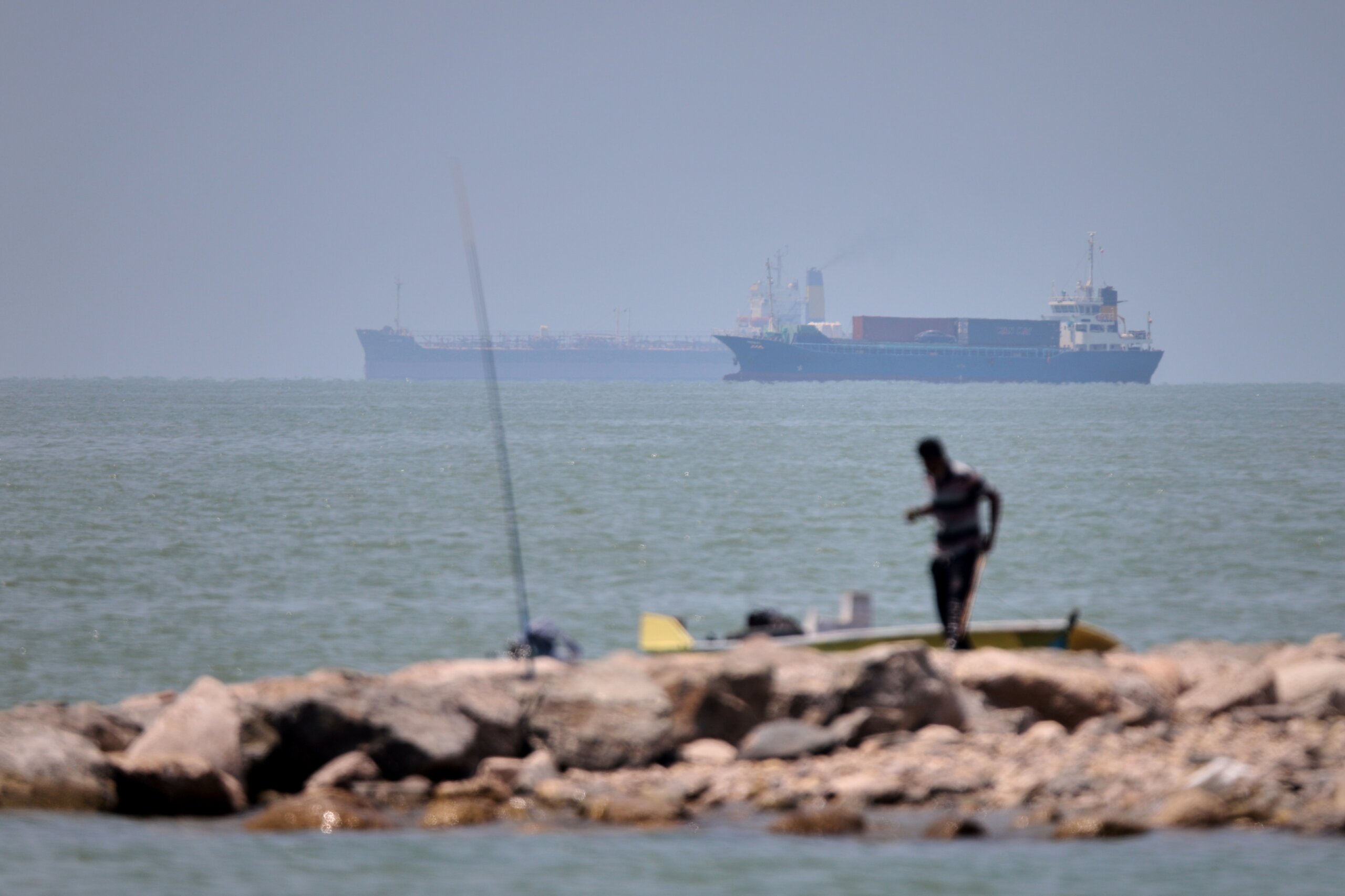
DUBAI, United Arab Emirates (AP) — Iran's paramilitary Revolutionary Guard launched drone and missile attacks Sunday targeting Bahrain and Kuwait in response to U.S. airstrikes that hit the Islamic Republic, and threatened a “complete halt” could come to negotiations to end the war if Washington continues its attacks. Efforts to reopen the Strait of Hormuz, the narrow mouth of the Persian Gulf that once carried a fifth of the world's oil and natural gas, without Iran's direct oversight sparked the crossfire now gripping the region. A multinational maritime body overseen by the U.S. Navy said Saturday that it would expand a route near Oman in the Strait of Hormuz to allow for both inbound and outbound traffic — setting up a new flashpoint with Tehran. Iran insists it alone must govern the strait after the war, upending decades of the world considering that the strait was international waters free for all, despite its sitting in Iran and Oman's territorial waters. Tehran has twice attacked vessels going through the Oman route, backed by a United Nations agency, in recent days. Early Sunday, the U.S. military’s Central Command said it struck Iranian military “surveillance infrastructure, communication systems, air defense sites, drone storage facilities and minelayer capabilities” following an attack on a ship at sea early Saturday morning. That ship, the Panamanian-flagged tanker Kiku, carried crude oil for the state-run energy company of Qatar, a key negotiator between Iran and the United States.
Read Next Story