Cuba’s widening economic turmoil along with its growing political tensions with U.S. President Donald Trump have paralyzed much of the island and raised uncertainty about what’s next.
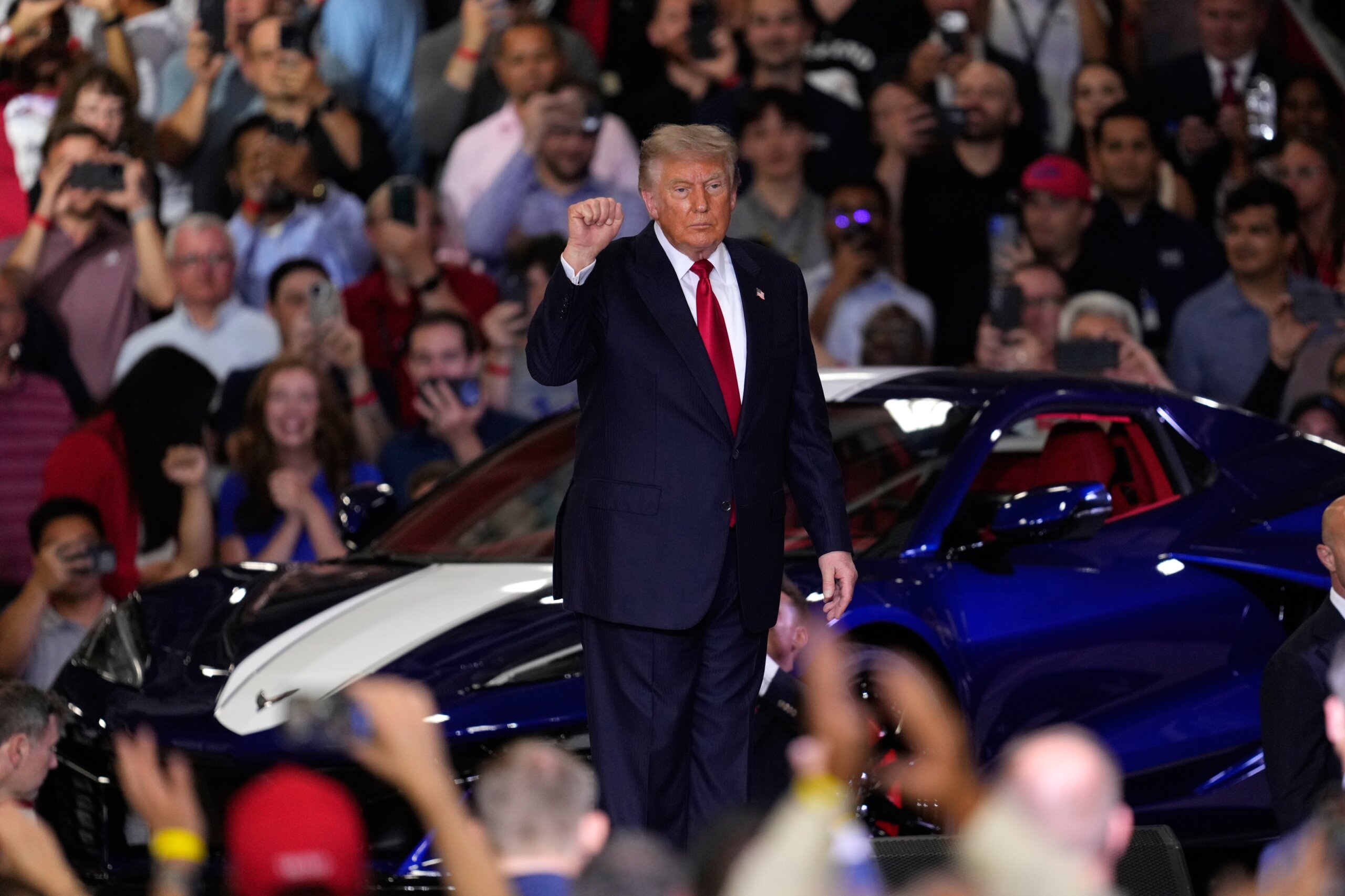
The country was plunged into darkness this week by a blackout — the third big failure of its power grid since December — opening the door for Trump to suggest that he might have the “honor of taking Cuba.”
“I mean, whether I free it, take it. I think I could do anything I want with it,” Trump said on Monday.
Cuba is struggling under the weight of an U.S. energy blockade that has halted oil shipments to the island over the past three months.
Many of the nation’s 11 million residents struggle to keep food from spoiling. Hospitals have canceled surgeries. The leading university has reduced classes due to the power outages and transportation shutdowns.
Here’s what to know about Cuba’s persistent blackouts and deepening crisis.
US leaders say power outages signal need for change
The U.S. State Department said Tuesday that the ongoing blackouts are a symptom of the Cuban government’s failure to provide the most basic needs for its people.
When asked about Cuba at an unrelated White House event on Tuesday, Trump turned to his Secretary of State, Marco Rubio, who is the son of Cuban immigrants.
Rubio said Cuba’s current political system and government can’t fix the country’s problems. “So they have to change dramatically,” Rubio said.
Cuba’s economic troubles are part of pressure campaign
The Trump administration is demanding that Cuba release political prisoners and move toward political and economic liberalization in return for a lifting of sanctions.
Trump has for months suggested Cuba’s government is on the verge of collapse and said after the U.S. ousted former Venezuelan President Nicolás Maduro that the increased economic pressure on the island meant the U.S. could have a “friendly takeover” there — though he has not clarified what that means.
Talks between the US and Cuba have been ongoing
Cuban President Miguel Díaz-Canel confirmed last week that there have been discussions with Washington.
While he wouldn’t provide any specifics about the talks, he did say they were aimed at finding solutions to the “bilateral differences between our two nations.”
Trump has suggested that top Cuban leaders would be smart to avoid the fate of Maduro, who was arrested in a U.S. military operation in January.
The Trump administration is looking for Díaz-Canel to leave power, according to a U.S. official and a source with knowledge of talks between Washington and Havana, who spoke on condition of anonymity to describe the sensitive talks and did not offer any details about who the administration might like to see as a replacement.
Fuel is in short supply
Cuba has struggled with dwindling oil after the U.S. removed Venezuela’s leader, halting critical petroleum shipments from the nation. Trump then threatened tariffs on any country selling or supplying Cuba with oil.
The island is relying on its own natural gas, solar power and its own oil to run thermoelectric plants, but that hasn’t been enough to meet demand.
The impact has been crippling. Buses have cut routes, gas is strictly rationed and a Cuban official said the health care system is teetering.
That’s on top of what was already a shortage of basic necessities, including food and medicine.
Power outages now are a daily occurrence in Cuba
Cuba’s aging grid has deteriorated in recent years to the point of being unreliable. There are daily outages and more frequent major blackouts.
Its thermoelectric plants are in poor shape too, seeing little maintenance. U.S. sanctions have prevented the government from buying new equipment and specialized parts, officials have said.
Shortages of fuel oil and diesel also have limited power production.
___
AP writers Aamer Madhani and Seung Min Kim contributed from Washington.
___
Follow AP’s coverage of Latin America and the Caribbean at https://apnews.com/hub/latin-america