PARIS (AP) — China warned Monday that U.S. President Donald Trump’s latest tariff moves could harm the countries’ trade relationship, at the end of high-level talks in Paris.
Li Chenggang, China’s international trade representative, said the Chinese side had expressed serious concern about trade investigations into manufacturing in foreign countries that the Trump administration launched after the U.S. Supreme Court struck down its earlier tariffs.
“We are concerned that the possible results of such investigations may interfere with or damage the hard-won and stable China-U.S. economic and trade relations,” Li told journalists. He said they discussed the possible extension of tariffs and non-tariff measures on both sides, and that China expressed concern over likely uncertainty as the U.S adjusts its measures. He said both sides agreed to make efforts to keep the tariffs stable.
The meeting was meant to prepare for Trump’s planned trip to China in about two weeks, though the president has warned that it could be delayed. Li did not address that, and did not take questions.
Treasury Secretary Scott Bessent, who led the U.S. delegation in Paris, said the talks “were constructive and they show the stability in the relationship,” and noted: “The purpose of these meetings is to prevent any retaliation.”
Trump’s visit to China would be the first for a U.S. president since he went in his first term in 2017. It would come five months after he met President Xi Jinping in the South Korean city of Busan.
The Iran war has emerged as a potential stumbling block as the U.S. and China were patching up relations following a tariff war in which import taxes soared to triple digits. The two sides later agreed to a one-year truce.
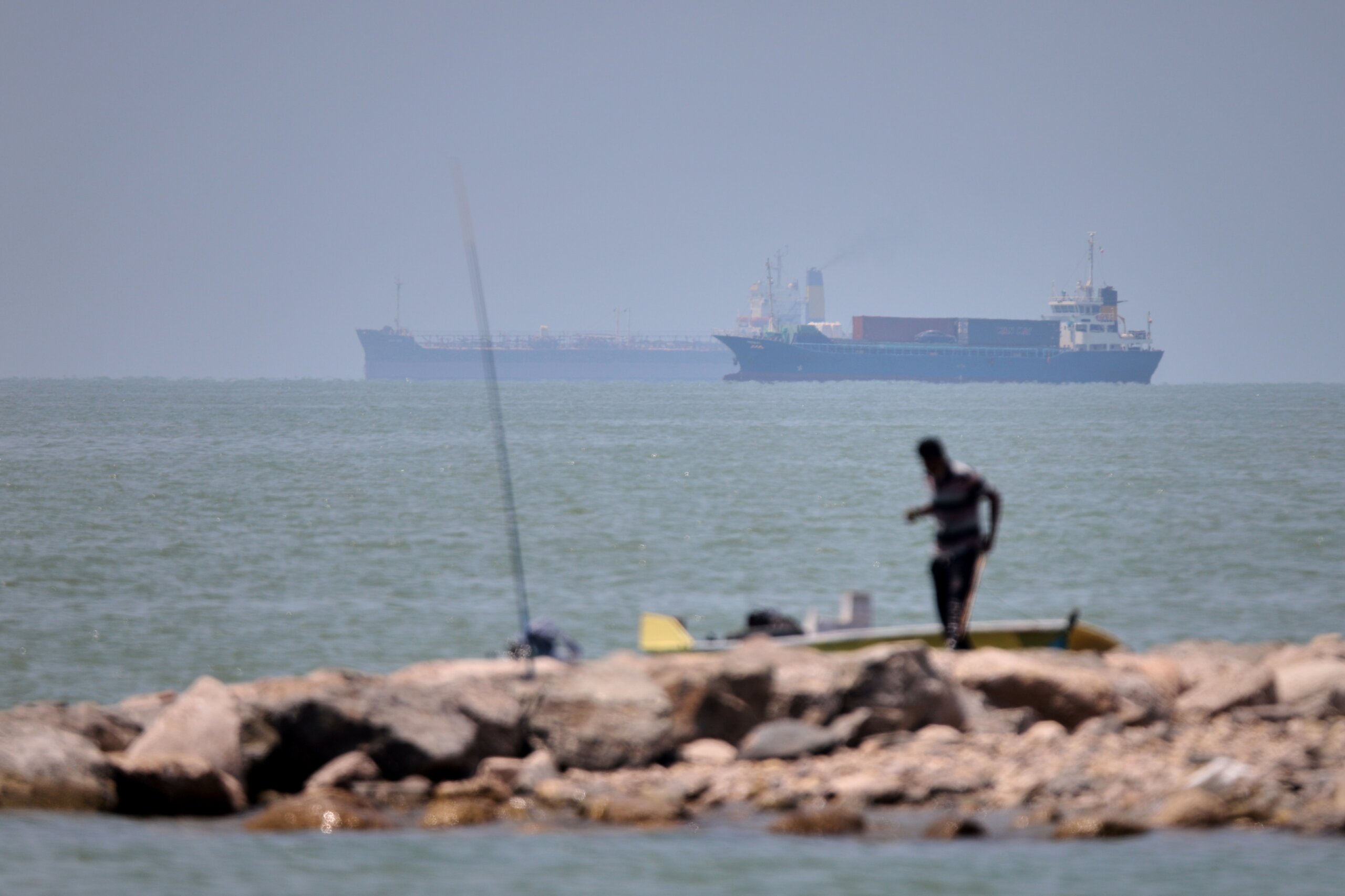
Trump has suggested he may delay the much-anticipated China visit as he seeks Beijing’s help to reopen the Strait of Hormuz and calm oil prices that have soared during the Iran war.
But Bessent said any postponement wouldn’t be to pressure China on that issue.
“If the president’s visit is postponed, it would have nothing to do with the Chinese making a commitment to the Straits of Hormuz,” he told journalists.
“It would obviously be in their interest to do so, but a postponement would not be as a result of any asks from the president not being met,” Bessent added. “The postponement, if it happens, would be because the commander in chief of the United States military believes that he should stay in the United States while this war is being prosecuted.”
U.S. Trade Representative Jamieson Greer, accompanying Bessent, said the talks sketched out “the general terms of a work plan” for a Trump-Xi meeting so that it could produce “potential deliverables.”
He said they also covered the trade investigations that concern China.
“We started these talks, really, by giving them a preview of what we’re doing on U.S. trade policy as we adjust to the Supreme Court,” Greer said. “Remember: The president’s trade policy hasn’t changed. Our tools may change, and we’re conducting these investigations. We don’t want to prejudge them, and we had a good conversation with our counterparts about that process.”
___
Moritsugu reported from Beijing. Associated Press journalists Didi Tang in Washington and Sylvie Corbet in Paris contributed.