
Angry crowd attends the first hearing on deadly Dominican nightclub collapse

SANTO DOMINGO, Dominican Republic (AP) — The owners of a nightclub whose roof collapsed and killed more than 230 people in the Dominican Republic capital nearly a year ago appeared in court Monday for their first hearing.

Siblings Antonio and Maribel Espaillat, the owners of Jet Set, are accused of involuntary manslaughter and involuntary assault and battery. If found guilty, they could face up to two years in prison.

The judge showed up but postponed the hearing until April 6.

Lawyers for families crowded the courtroom. As the siblings left, a group of people yelled, “Damn you!” and “Murders, both of you are murderers!”

The collapse on April 8 shook the country, with 236 people killed and more than 100 injured as authorities worked frantically for days to reach people under the rubble.

The Public Prosecutor’s Office has asserted that it has hundreds of pieces of evidence tying the siblings to the collapse.

Spokespeople for the Espaillat brothers did not immediately respond to a request for comment. The siblings were arrested more than two months after the collapse.

Prosecutors have accused the Espaillats of trying to intimidate or manipulate employees. Antonio Espaillat is considered a powerful business person, owning upscale entertainment centers and dozens of local radio stations.

Hundreds were at the nightclub when the roof collapsed, attending a concert by singer Rubby Pérez, who was among the victims. Others included Nelsy Cruz, the governor of Montecristi province and sister of Major League Baseball All-Star Nelson Cruz, and former MLB pitcher Octavio Dotel, who was pulled from the debris but died in a hospital.
Iran attacks Bahrain and Kuwait following US strikes, threatens to end talks to end the war

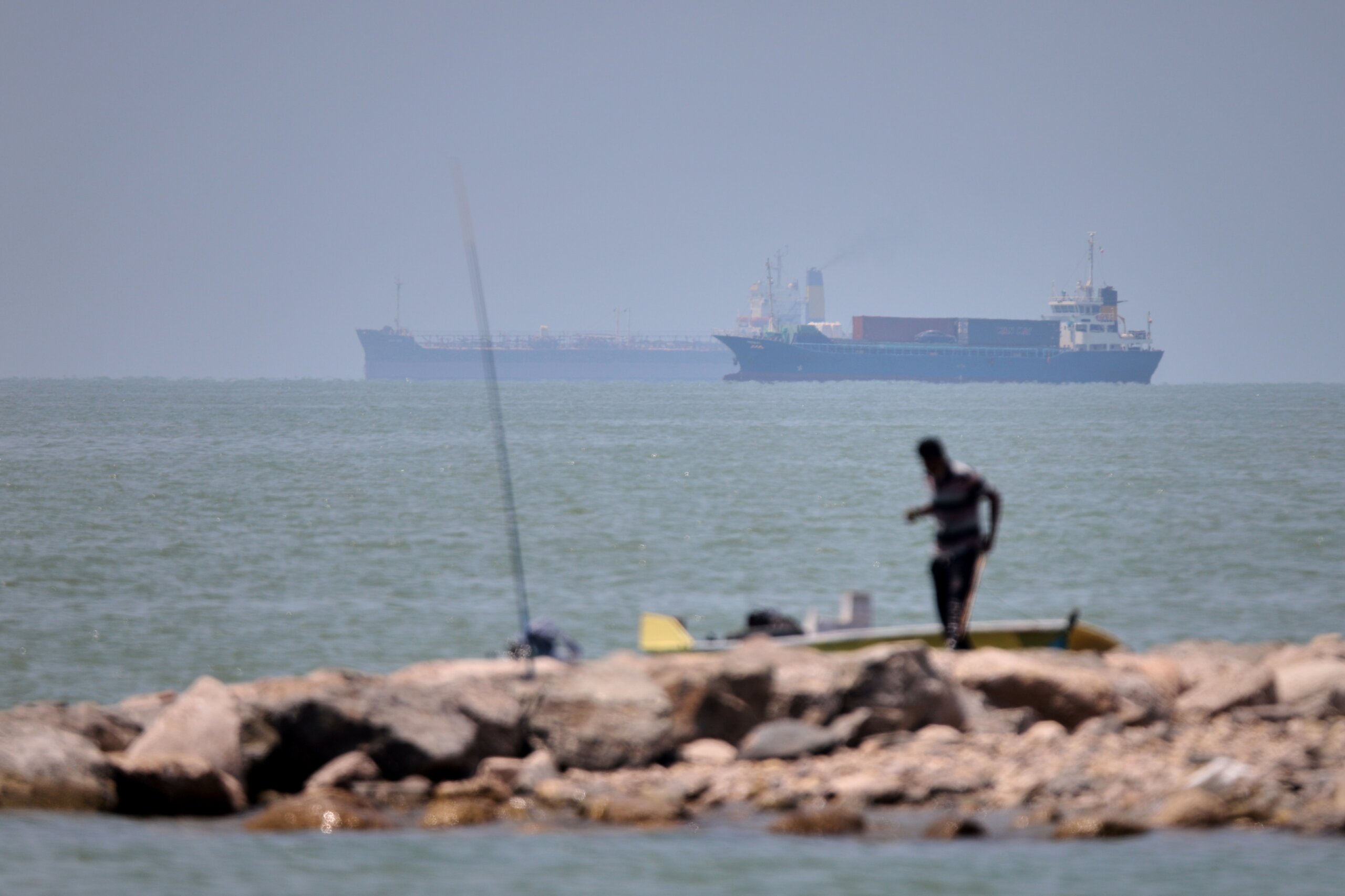
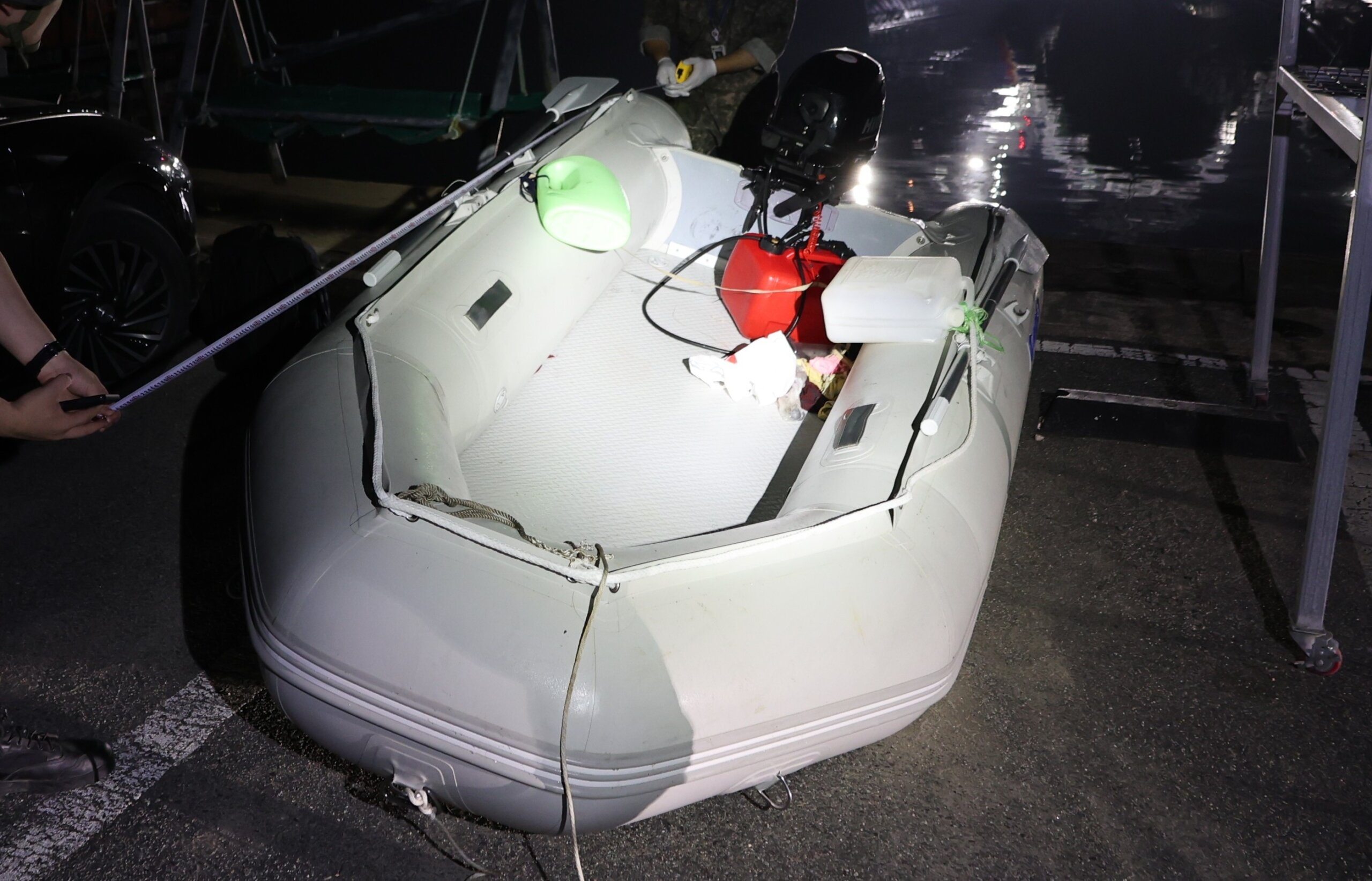
DUBAI, United Arab Emirates (AP) — Iran's paramilitary Revolutionary Guard launched drone and missile attacks Sunday targeting Bahrain and Kuwait in response to U.S. airstrikes that hit the Islamic Republic, and threatened a “complete halt” could come to negotiations to end the war if Washington continues its attacks. Efforts to reopen the Strait of Hormuz, the narrow mouth of the Persian Gulf that once carried a fifth of the world's oil and natural gas, without Iran's direct oversight sparked the crossfire now gripping the region. A multinational maritime body overseen by the U.S. Navy said Saturday that it would expand a route near Oman in the Strait of Hormuz to allow for both inbound and outbound traffic — setting up a new flashpoint with Tehran. Iran insists it alone must govern the strait after the war, upending decades of the world considering that the strait was international waters free for all, despite its sitting in Iran and Oman's territorial waters. Tehran has twice attacked vessels going through the Oman route, backed by a United Nations agency, in recent days. Early Sunday, the U.S. military’s Central Command said it struck Iranian military “surveillance infrastructure, communication systems, air defense sites, drone storage facilities and minelayer capabilities” following an attack on a ship at sea early Saturday morning. That ship, the Panamanian-flagged tanker Kiku, carried crude oil for the state-run energy company of Qatar, a key negotiator between Iran and the United States.
Read Next Story