Photos show the impact of the Iran war on tourism in Dubai

DUBAI, United Arab Emirates (AP) — Dubai’s usually crowded markets, beaches and waterfront promenades are unusually quiet during what is typically the city’s busy tourism season.

The spillover of the Iran war has disrupted air travel across the Middle East, while Iranian drone and missile attacks targeting sites in the United Arab Emirates have dented the country’s image as one of the region’s safest destinations.

As a result, some of Dubai’s most popular tourist areas — including the Al Seef waterfront market along Dubai Creek and beaches near luxury hotels, such as the Burj Al Arab — have seen far fewer visitors than usual.

The photographs in this gallery show scenes of near-empty markets, quiet restaurant terraces and sparsely visited beaches as Dubai’s tourism sector feels the ripple effects of the wider regional conflict.

This is a photo gallery curated by AP photo editors.
Iran attacks Bahrain and Kuwait following US strikes, threatens to end talks to end the war

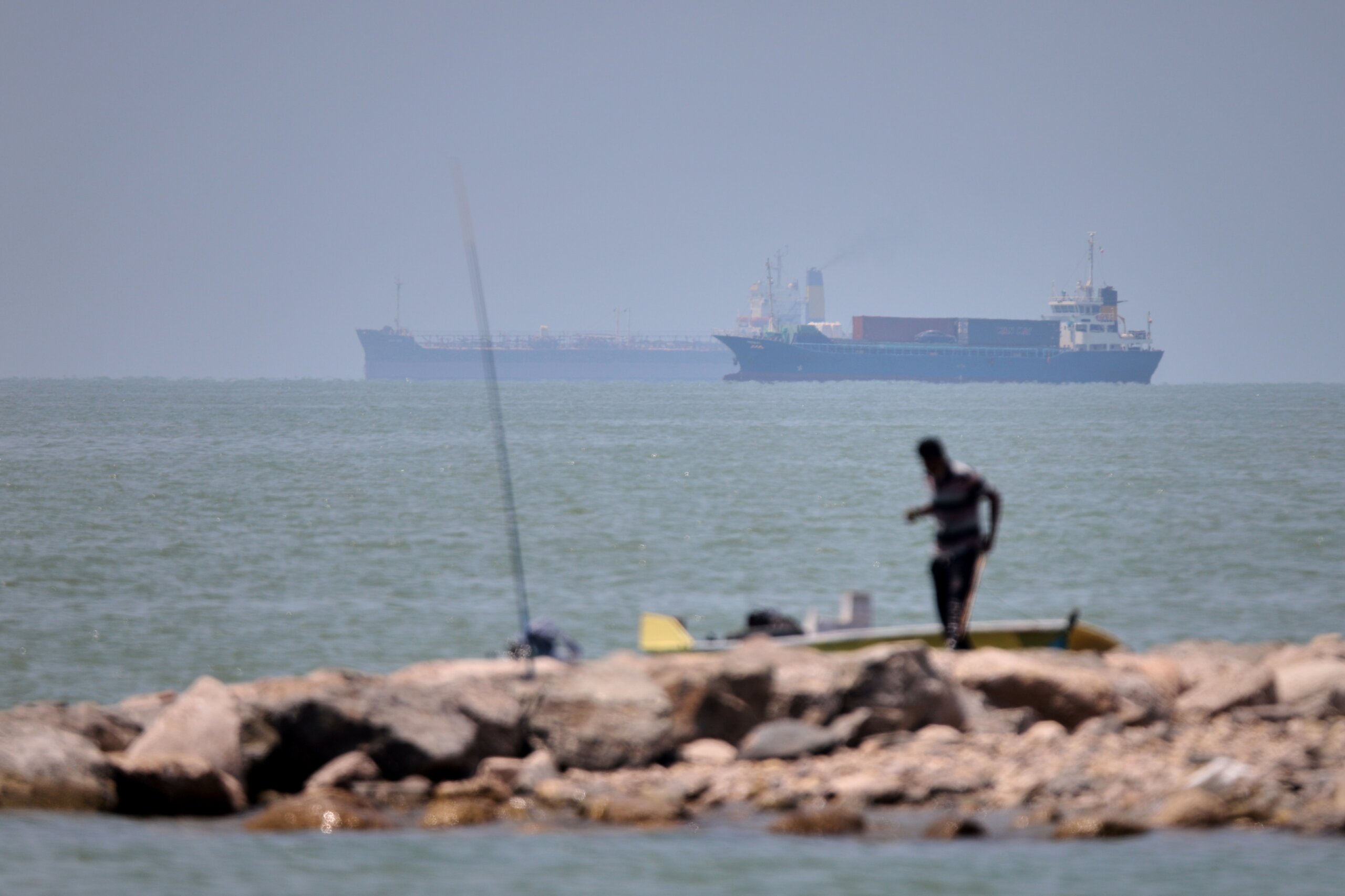
DUBAI, United Arab Emirates (AP) — Iran's paramilitary Revolutionary Guard launched drone and missile attacks Sunday targeting Bahrain and Kuwait in response to U.S. airstrikes that hit the Islamic Republic, and threatened a “complete halt” could come to negotiations to end the war if Washington continues its attacks. Efforts to reopen the Strait of Hormuz, the narrow mouth of the Persian Gulf that once carried a fifth of the world's oil and natural gas, without Iran's direct oversight sparked the crossfire now gripping the region. A multinational maritime body overseen by the U.S. Navy said Saturday that it would expand a route near Oman in the Strait of Hormuz to allow for both inbound and outbound traffic — setting up a new flashpoint with Tehran. Iran insists it alone must govern the strait after the war, upending decades of the world considering that the strait was international waters free for all, despite its sitting in Iran and Oman's territorial waters. Tehran has twice attacked vessels going through the Oman route, backed by a United Nations agency, in recent days. Early Sunday, the U.S. military’s Central Command said it struck Iranian military “surveillance infrastructure, communication systems, air defense sites, drone storage facilities and minelayer capabilities” following an attack on a ship at sea early Saturday morning. That ship, the Panamanian-flagged tanker Kiku, carried crude oil for the state-run energy company of Qatar, a key negotiator between Iran and the United States.
Read Next Story