
Landslides in southern Ethiopia leave at least 50 people dead and 125 missing

ADDIS ABABA, Ethiopia (AP) — Disastrous landslides that struck southern Ethiopia following a week of heavy rains have killed at least 50 people and left 125 others missing, an official said Thursday.

The landslides happened in recent days in the Gamo Zone districts of Gacho Baba, Kamba and Bonke, said Mesfin Manuqa, the Gamo Zone director of disaster response.

One person was pulled out of the mud alive during a rescue operation, Manuqa said.

The Gacho Baba District communication chief, Abebe Agena, said most of those who died were found buried in the mud. It is not yet clear how many households were affected.

Tilahun Kebede, president of the South Ethiopia Regional State, expressed his sorrow over the disaster and urged residents to move to higher ground as rains continue.

“Given that it is the rainy season and these types of disasters could happen again, I am calling on communities living in the highlands and flood-prone areas to take the necessary precautions,” he said.

Mudslides and floods caused by heavy rainfall are common in Ethiopia, especially during the rainy season.

In July 2024, a deadly mudslide caused by heavy rain claimed the lives of 229 people in southern Ethiopia.
Iran attacks Bahrain and Kuwait following US strikes, threatens to end talks to end the war

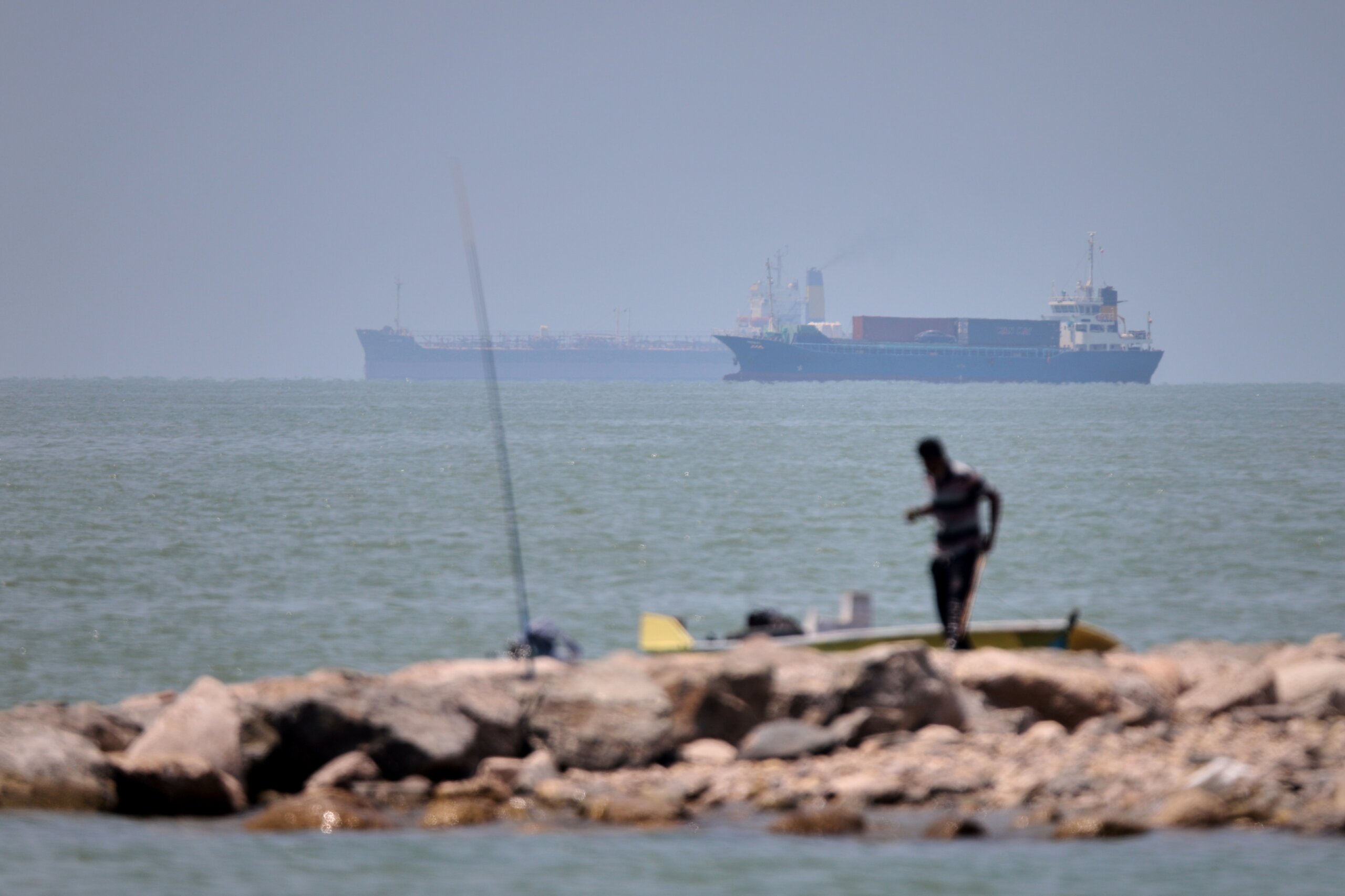
DUBAI, United Arab Emirates (AP) — Iran's paramilitary Revolutionary Guard launched drone and missile attacks Sunday targeting Bahrain and Kuwait in response to U.S. airstrikes that hit the Islamic Republic, and threatened a “complete halt” could come to negotiations to end the war if Washington continues its attacks. Efforts to reopen the Strait of Hormuz, the narrow mouth of the Persian Gulf that once carried a fifth of the world's oil and natural gas, without Iran's direct oversight sparked the crossfire now gripping the region. A multinational maritime body overseen by the U.S. Navy said Saturday that it would expand a route near Oman in the Strait of Hormuz to allow for both inbound and outbound traffic — setting up a new flashpoint with Tehran. Iran insists it alone must govern the strait after the war, upending decades of the world considering that the strait was international waters free for all, despite its sitting in Iran and Oman's territorial waters. Tehran has twice attacked vessels going through the Oman route, backed by a United Nations agency, in recent days. Early Sunday, the U.S. military’s Central Command said it struck Iranian military “surveillance infrastructure, communication systems, air defense sites, drone storage facilities and minelayer capabilities” following an attack on a ship at sea early Saturday morning. That ship, the Panamanian-flagged tanker Kiku, carried crude oil for the state-run energy company of Qatar, a key negotiator between Iran and the United States.
Read Next Story