GOMA, Congo (AP) — A series of explosions attributed to drones killed at least one person, a U.N. aid worker, as the attack on the Wednesday rocked downtown Goma in eastern Congo, according to the M23 rebel group and local residents.
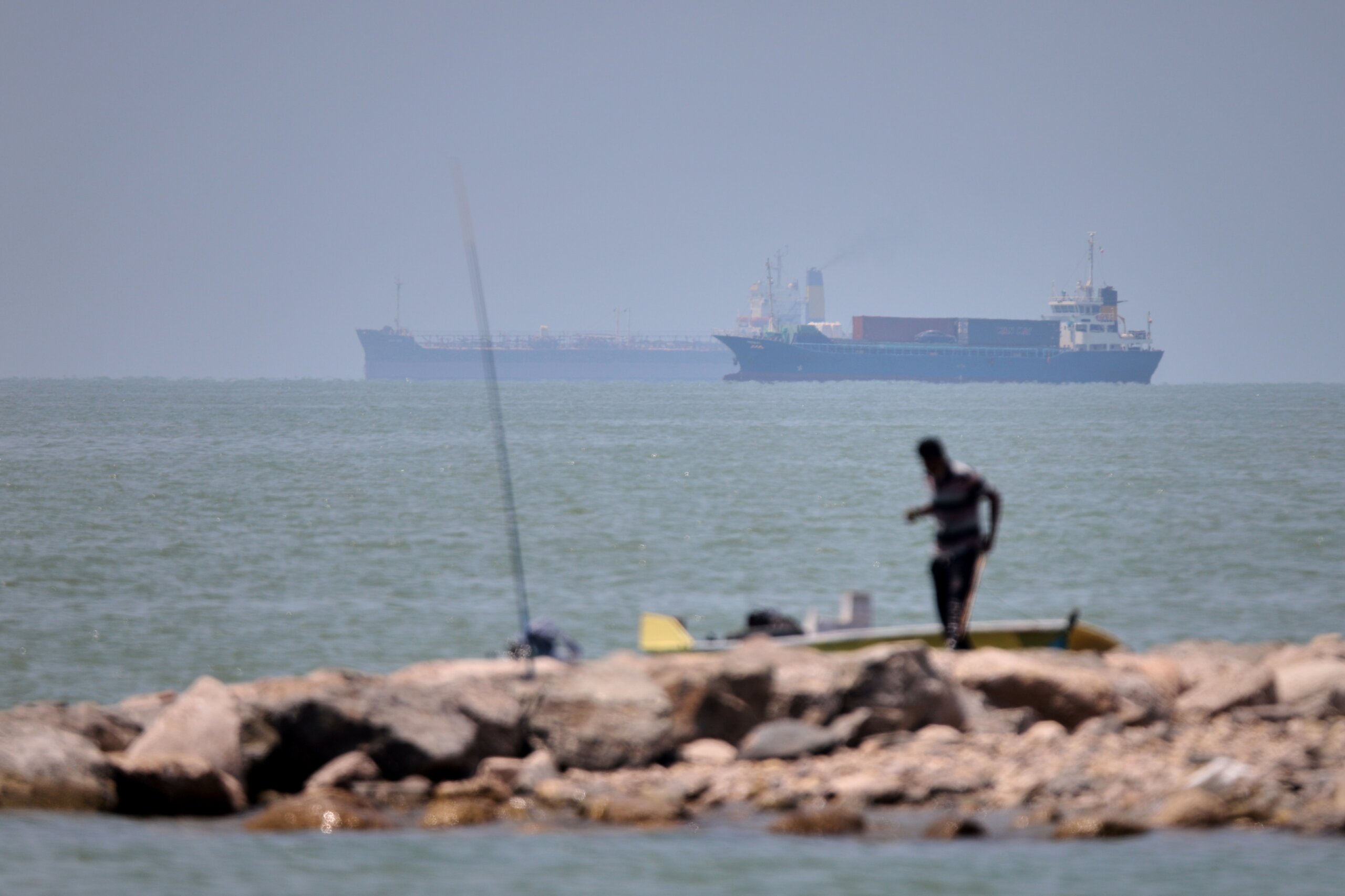
The drone strikes hit Lake Kivu and a private residence located about 50 meters (164 feet) from the home of former Congo President Joseph Kabila Kabange.
M23 blamed the government for the attack. The government didn’t immediately respond to a request for comment. The rebel group said that the attack killed three people, but the number couldn’t be immediately confirmed. Residents said they only had seen a single body.
Karine Buisset, a French national and a UNICEF employee, was in the residence and killed in the attack, M23 and residents said.
UNICEF Executive Director Catherine Russell confirmed Buisset’s death in a post on X.
“All of us at UNICEF are devastated and outraged by the killing,” Russell said. “Civilians, including aid workers, must never be targeted.”
French President Emmanuel Macron expressed condolences to the victim’s family.
“I call for respect for humanitarian law and for the personnel on the ground who are committed to saving lives,” he wrote on X.
Since January 2025, conflicts have flared between the Congolese armed forces and the Rwanda-backed M23 after the group swept through the eastern region in lightning attacks and seized key cities. A drone strike in February killed a spokesperson and senior official deeply involved in the operations of the rebel group.
The conflict, which has raged on despite a truce brokered by the United States and Qatar, has sparked a huge humanitarian crisis, with at least 7 million people displaced.