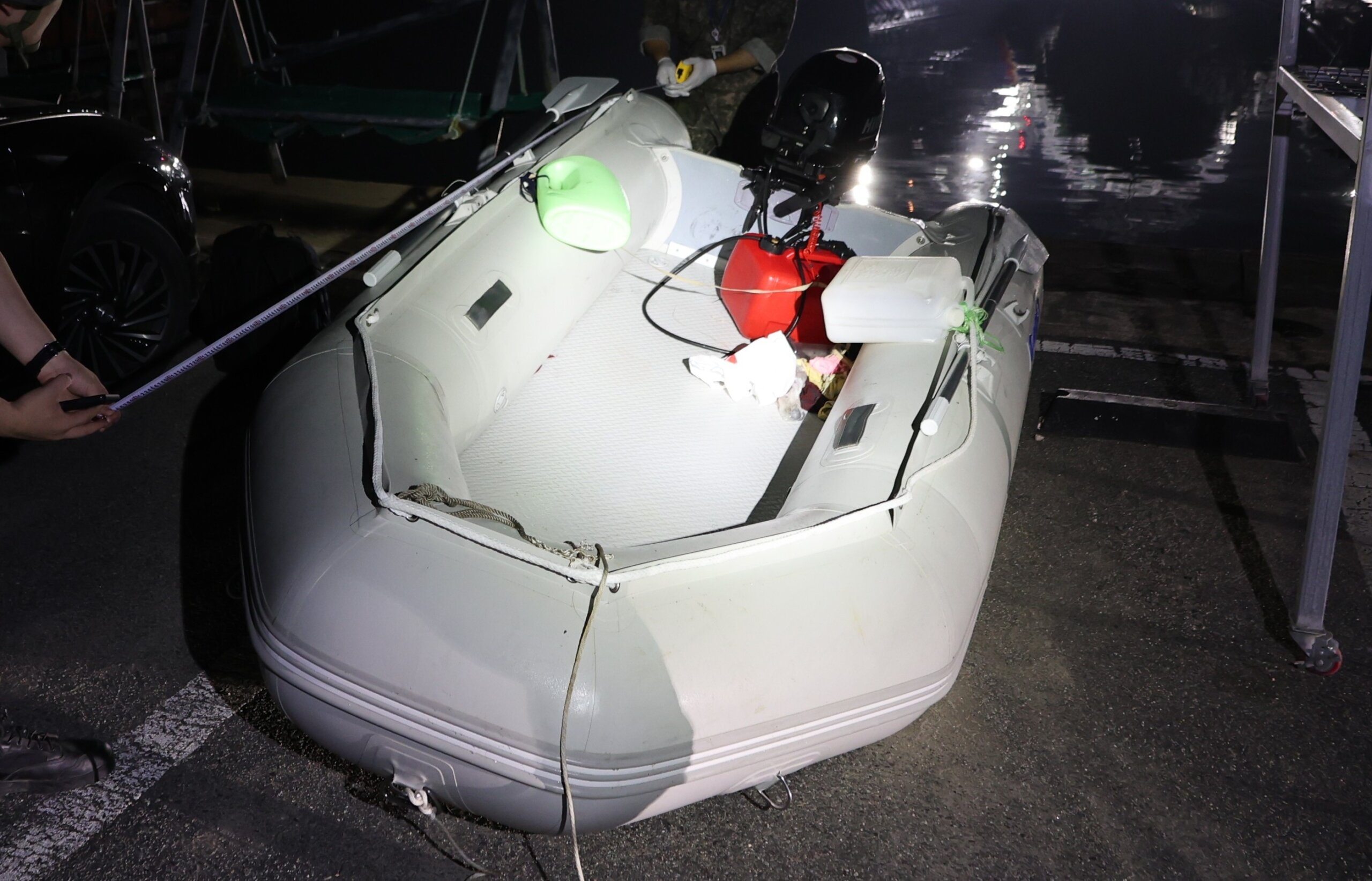
Sweden is investigating a cargo ship that allegedly transported stolen grain with a Russian crew

STOCKHOLM (AP) — Swedish authorities are investigating a cargo ship sailing in the Baltic Sea that’s accused of transporting stolen grain, officials said Saturday.

The Swedish Coast Guard said during a news conference Saturday that the crew of the Caffa is predominantly Russian, and the ship is on Ukraine’s sanctions list, according to Swedish news agency TT.

The Caffa was also allegedly sailing under a false flag when Swedish authorities boarded it in Swedish territorial waters Friday to search it and conduct interviews, TT reported. It had been sailing under a Guinean flag.

Authorities are concerned about its seaworthiness and a person is under criminal investigation, TT reported. Other details about the Caffa and its crew were not immediately available.

Sweden last year said it would step up insurance checks on foreign ships in a move aimed at tightening controls on Russia’s so-called “shadow fleet ” of aging ships, which are used to transport oil and gas or to carry stolen Ukrainian grain.

The average age of the vessels is around 18 years, meaning they’re near the end of their life span and are more vulnerable to accidents, especially if they’re not well-maintained.

The government in Stockholm last year tasked the Coast Guard and the Swedish Maritime Administration with collecting insurance information not just from ships that call at Swedish ports, but also those that pass through the country’s territorial waters and exclusive economic zone.

Authorities have not said whether they believe the Caffa is part of the shadow fleet.
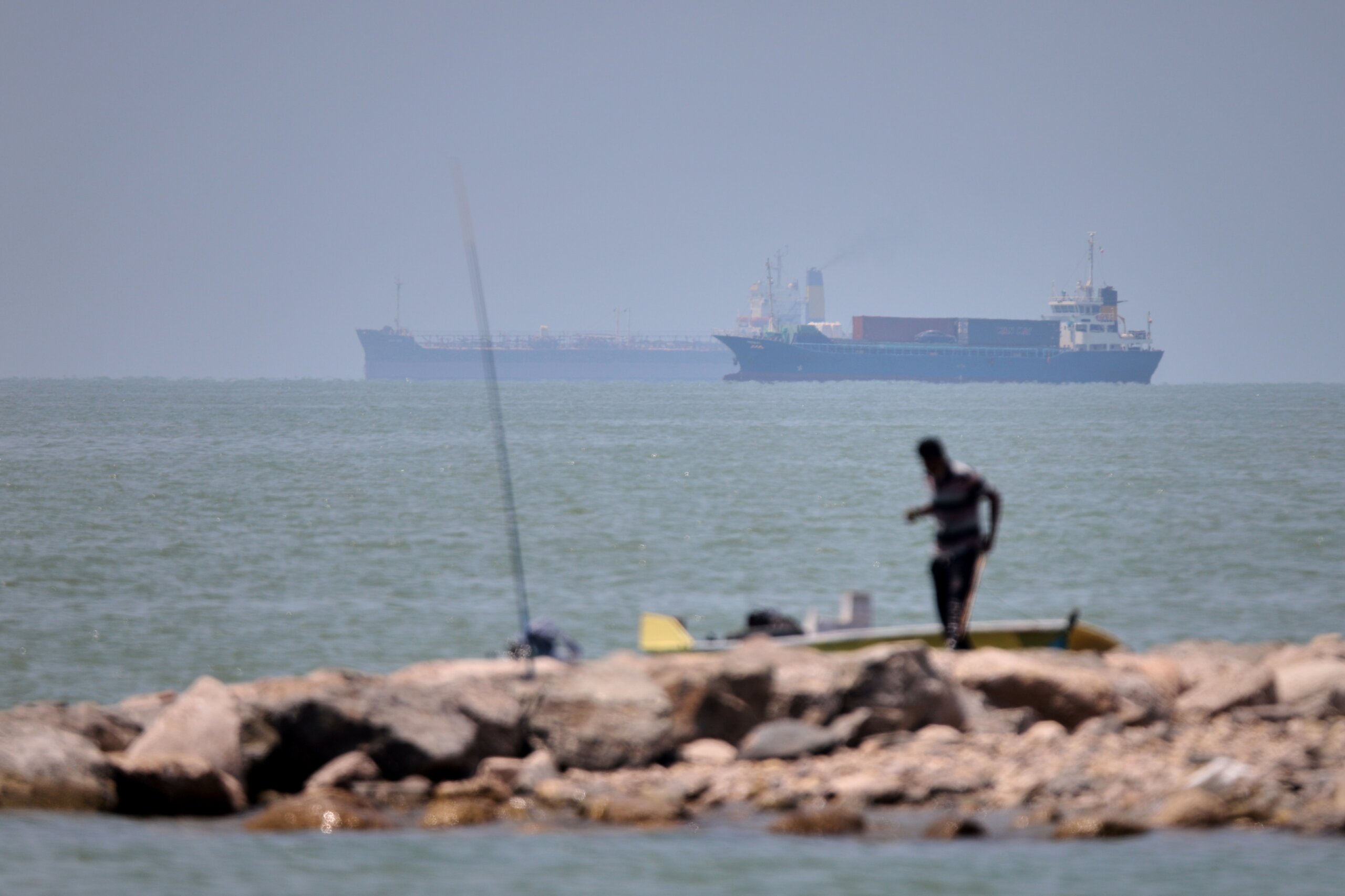
Iran attacks Bahrain and Kuwait following US strikes, threatens to end talks to end the war

DUBAI, United Arab Emirates (AP) — Iran's paramilitary Revolutionary Guard launched drone and missile attacks Sunday targeting Bahrain and Kuwait in response to U.S. airstrikes that hit the Islamic Republic, and threatened a “complete halt” could come to negotiations to end the war if Washington continues its attacks. Efforts to reopen the Strait of Hormuz, the narrow mouth of the Persian Gulf that once carried a fifth of the world's oil and natural gas, without Iran's direct oversight sparked the crossfire now gripping the region. A multinational maritime body overseen by the U.S. Navy said Saturday that it would expand a route near Oman in the Strait of Hormuz to allow for both inbound and outbound traffic — setting up a new flashpoint with Tehran. Iran insists it alone must govern the strait after the war, upending decades of the world considering that the strait was international waters free for all, despite its sitting in Iran and Oman's territorial waters. Tehran has twice attacked vessels going through the Oman route, backed by a United Nations agency, in recent days. Early Sunday, the U.S. military’s Central Command said it struck Iranian military “surveillance infrastructure, communication systems, air defense sites, drone storage facilities and minelayer capabilities” following an attack on a ship at sea early Saturday morning. That ship, the Panamanian-flagged tanker Kiku, carried crude oil for the state-run energy company of Qatar, a key negotiator between Iran and the United States.
Read Next Story