
Nigerian army kills 45 militants in clashes in northwest state of Katsina

ABUJA, Nigeria (AP) — Nigeria’s military killed 45 militants in the country’s northwest region, the Katsina state government said Saturday.

The clashes between the military and the gunmen happened on Friday in the Danmusa area of Katsina, the state’s Commissioner for Internal Security and Home Affairs Nasir Mua’zu said in a statement. It followed a failed attempt by the gunmen to steal cattle on Thursday.

“Seeking revenge, the bandits returned in large numbers on March 6,” Mua’zu said. “What followed was an intense and fierce battle. The army successfully neutralized all 45 bandits.”

Nigeria is battling a complex security crisis from different armed groups, especially in the north of the country. The United States has sent troops to the West African nation to help advise its military on the fight against insecurity.

Among the most prominent Islamic militant groups are Boko Haram and its breakaway faction, which is affiliated with the Islamic State group and known as Islamic State West Africa Province. There is also the IS-linked Lakurawa, as well as other “bandit” groups that specialize in kidnapping for ransom and illegal mining.

The crisis has worsened recently to include other militants from the neighboring Sahel region, including the Jama’at Nusrat al-Islam wal-Muslimin, which claimed its first attack on Nigerian soil last year.

Several thousand people in Nigeria have been killed, according to data from the United Nations. Analysts say not enough is being done by the government to protect its citizens.
Iran attacks Bahrain and Kuwait following US strikes, threatens to end talks to end the war

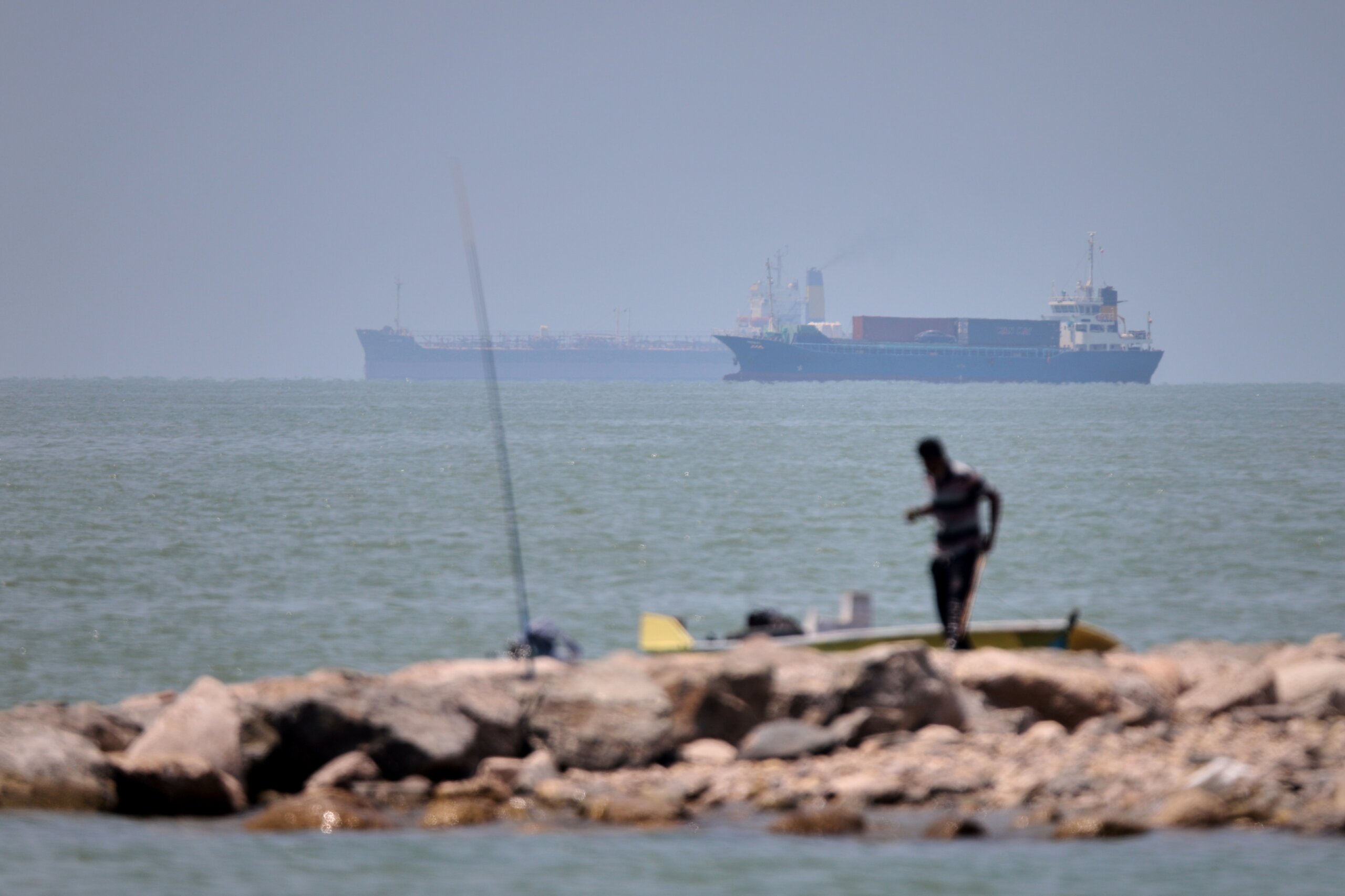
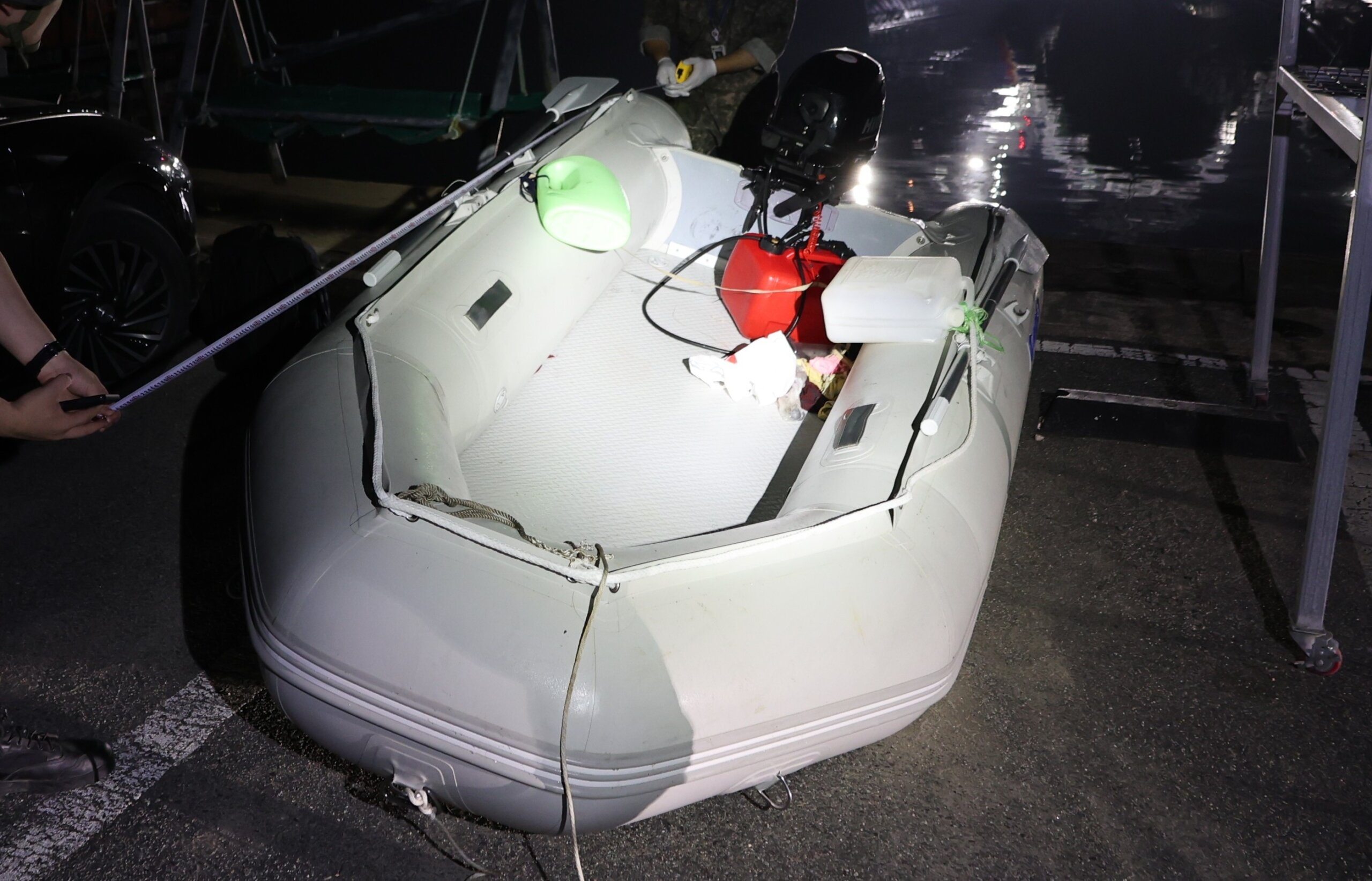
DUBAI, United Arab Emirates (AP) — Iran's paramilitary Revolutionary Guard launched drone and missile attacks Sunday targeting Bahrain and Kuwait in response to U.S. airstrikes that hit the Islamic Republic, and threatened a “complete halt” could come to negotiations to end the war if Washington continues its attacks. Efforts to reopen the Strait of Hormuz, the narrow mouth of the Persian Gulf that once carried a fifth of the world's oil and natural gas, without Iran's direct oversight sparked the crossfire now gripping the region. A multinational maritime body overseen by the U.S. Navy said Saturday that it would expand a route near Oman in the Strait of Hormuz to allow for both inbound and outbound traffic — setting up a new flashpoint with Tehran. Iran insists it alone must govern the strait after the war, upending decades of the world considering that the strait was international waters free for all, despite its sitting in Iran and Oman's territorial waters. Tehran has twice attacked vessels going through the Oman route, backed by a United Nations agency, in recent days. Early Sunday, the U.S. military’s Central Command said it struck Iranian military “surveillance infrastructure, communication systems, air defense sites, drone storage facilities and minelayer capabilities” following an attack on a ship at sea early Saturday morning. That ship, the Panamanian-flagged tanker Kiku, carried crude oil for the state-run energy company of Qatar, a key negotiator between Iran and the United States.
Read Next Story