TOKYO (AP) — Japan and Canada signed a strategic agreement Friday aimed at strengthening cooperation in defense, economic and energy security as military strikes on Iran by the United States and Israel fueled concern about international oil supplies.
Japan’s Prime Minister Sanae Takaichi and her Canadian counterpart Mark Carney shared the importance of energy security at a time of “geopolitical uncertainty,” according to a statement by the Japanese Foreign Ministry.
During the talks in Tokyo, the two leaders agreed to work together to diversify energy resources and expand trade and investment to support energy supply chains, according to the road map released by the ministry.
“The world is at a turning point. We see the manifestations in the Middle East. We see it everywhere,” Carney told a joint news conference.
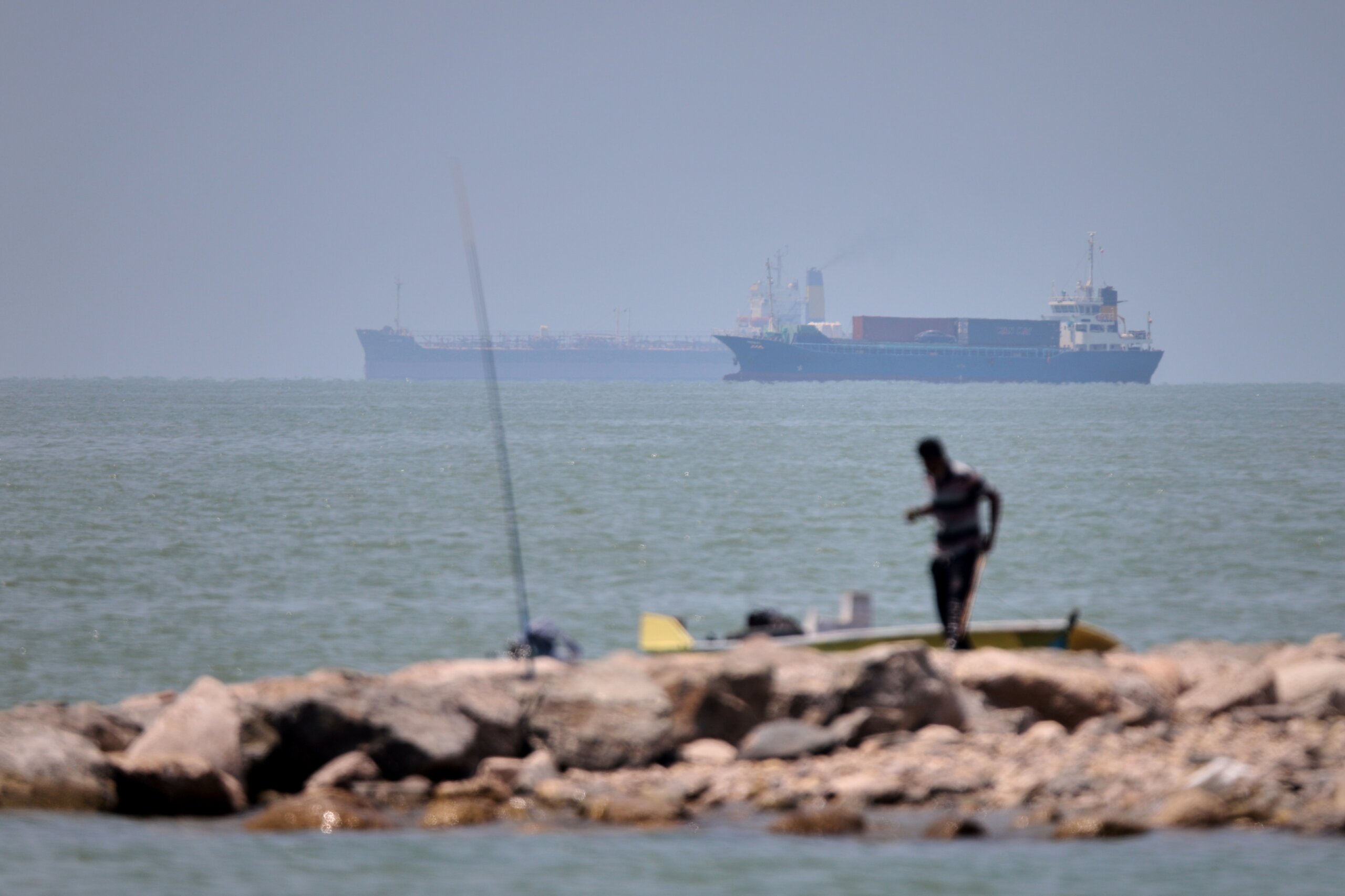
Carney’s first visit to Japan since taking office last year took place as the war in the Middle East fuels concern about crude oil shipments that travel through Strait of Hormuz in Iran. In Australia earlier this week, Carney called for de-escalation of the Iran war.
Carney and Takaichi also agreed to launch bilateral dialogues on economic security and cyber policies as the two countries face China’s growing assertiveness in trade and military activity in the Indo-Pacific.
Japan and Canada will start negotiations aimed at achieving a defense pact that would simplify procedures for their miliary visits, joint exercises and other operations.
The two sides will also step up cooperation between their arms industries as Tokyo seeks to expand its modest defense sales as part of Taikaichi’s plan to further build up Japan’s military capability and arms industry to enhance cooperation with friendly nations.
Earlier Friday, Takaichi’s governing Liberal Democratic Party and its coalition partner Japan Innovation Party submitted a proposal calling for scrapping restrictions on lethal weapons sales, in a further break from Japan’s postwar pacifist principle. The government is expected to formally endorse the proposal in the coming months.
___
AP video journalist Ayaka McGill in Tokyo contributed to this report.