HAVANA (AP) — Air France announced Wednesday it will suspend flights for several weeks between Paris and Havana given Cuba’s fuel shortage and its impact on tourism and other economic activity.
The airline said flights leaving from Paris-Charles de Gaulle airport to Cuba’s capital will be suspended starting March 28 and should resume June 15.
Those flights are currently stopping in the Bahamas on return trips to refuel, according to Air France. There was no immediate reaction from Cuban authorities.
The suspension hits Cubans on the Caribbean island especially hard. They relied on such flights to reach Europe since they are unable to go via the United States.
Cuba’s government notified airlines and pilots on Feb. 8 that jet fuel would not be available at nine airports across the island, including José Martí International Airport in Havana, until March 11.
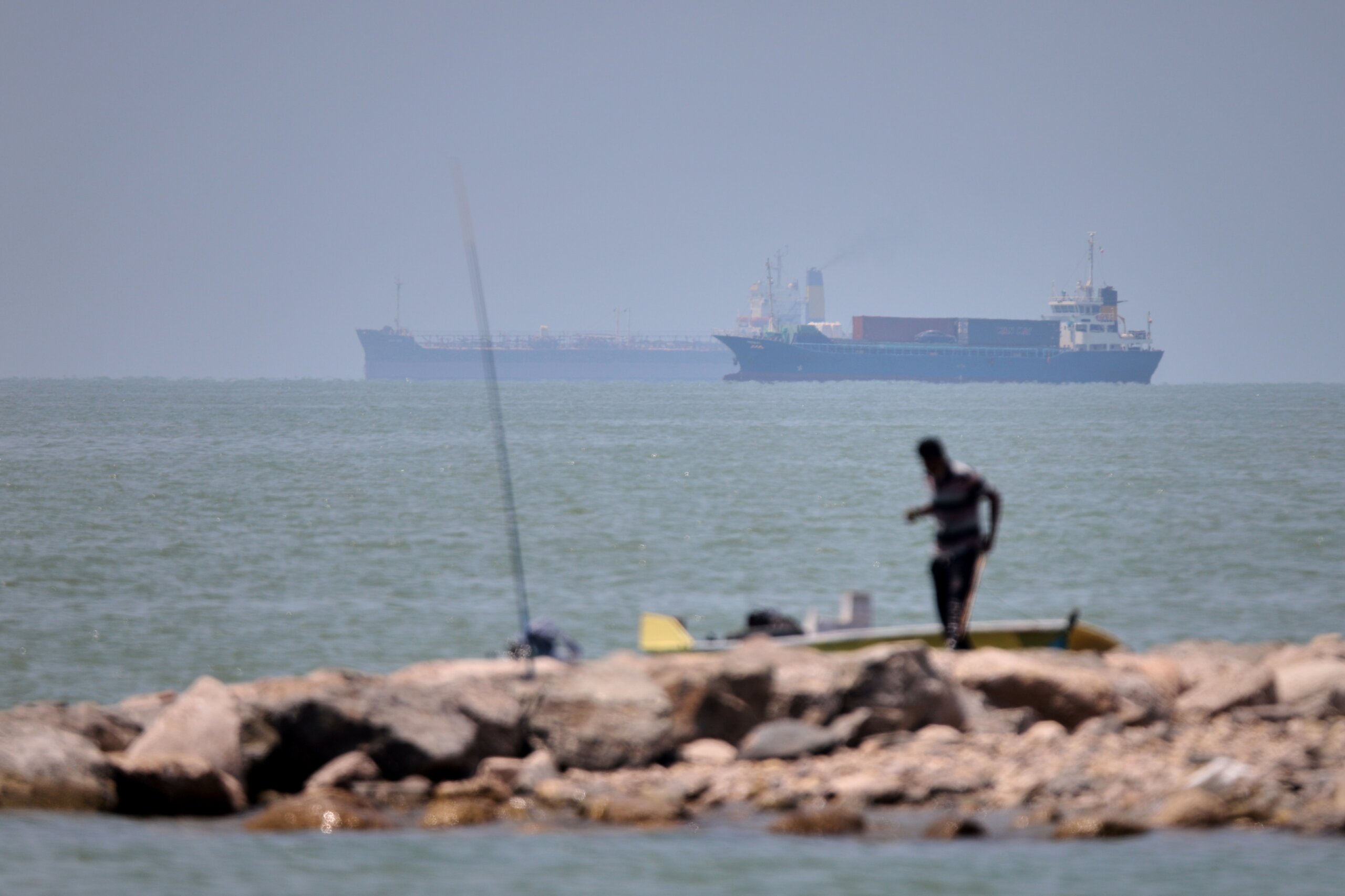
Cuba’s tourism industry is withering amid severe blackouts, dwindling oil reserves and heightened tensions with the United States. The island has been among Washington’s bitterest adversaries for decades.
Critical oil shipments from Venezuela ceased after the U.S. attacked the South American country and arrested its leader in early January.
U.S. President Donald Trump later threatened tariffs on any country that would sell or ship oil to Cuba.
The U.S. Treasury Department has since announced that it would authorize licensed companies to resell Venezuelan oil to Cuba’s private sector, but the island’s economic and energetic crises are expected to persist.
Other airlines have halted service to Cuba, including Air Canada. It announced Feb. 9 that it was suspending service until further notice. It operated on average 16 weekly flights to four destinations across Cuba from Toronto and Montreal, according to the airline.