SAN JOSÉ, Costa Rica (AP) — The prime minister of St. Vincent and the Grenadines said Tuesday that his government did not give the U.S. authorization for a recent strike on an alleged drug boat in local waters that killed three people.
Prime Minister Godwin Friday said at a press conference that his administration found out about the deadly Feb. 13 strike through social media and online reports.
“There has been no direct communication with respect to the strikes with us,” he said, adding that Caribbean leaders are concerned. “It was agreed that this is a serious matter because of the risk that it poses potentially to our people going about their normal business. … People plying the waters want to know that they’re safe.”
The U.S. military said that three people were killed in the strikes, but did not confirm their identities.
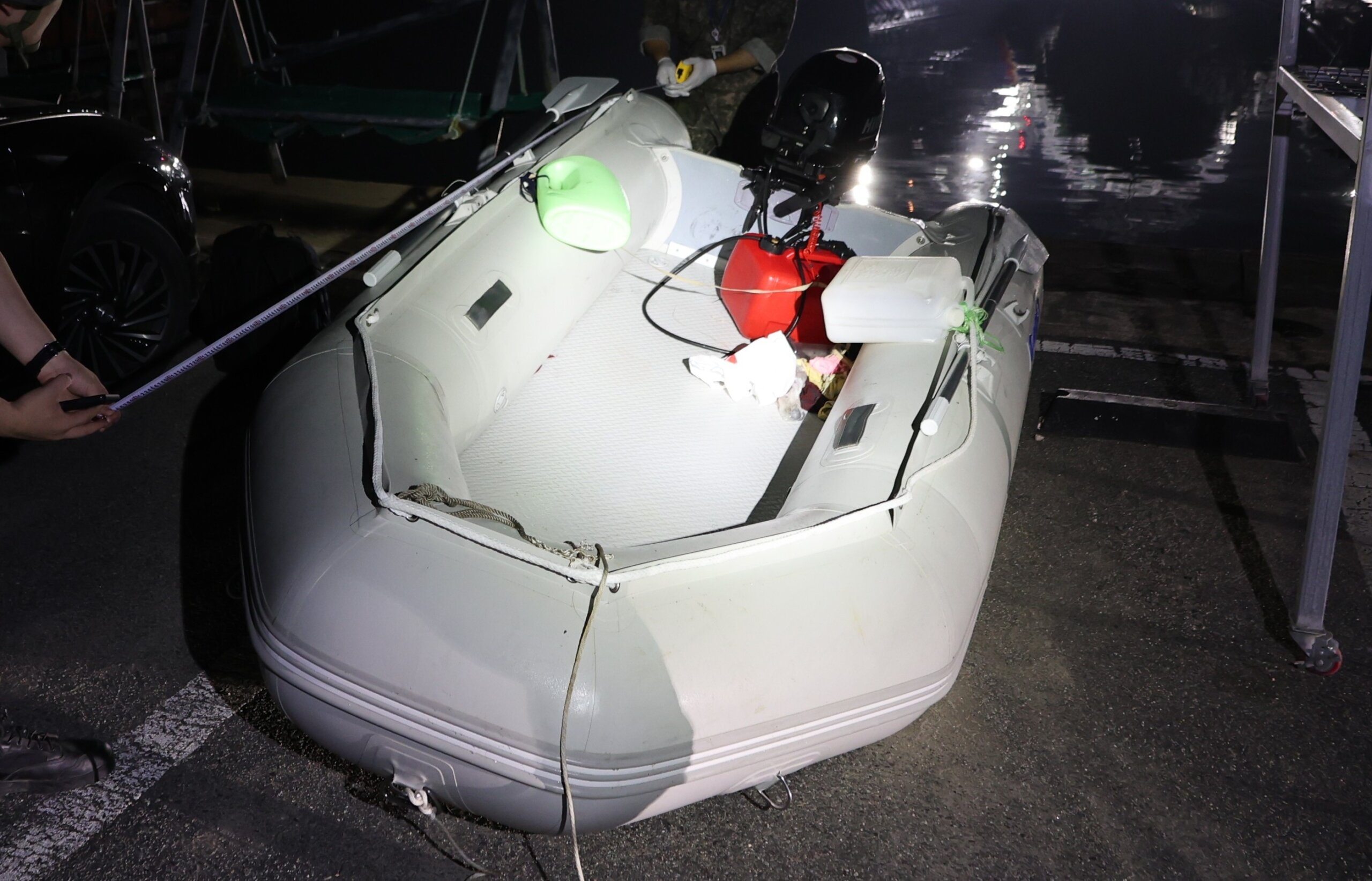
Relatives of a boat captain from St. Lucia recently told The Associated Press that they believe Ricky Joseph, a 35-year-old father of four, was killed in the strike because he remains missing and had departed in a boat like the one shown after the strike in pictures posted on social media.
Friday said that Caribbean leaders recently met to talk among themselves about security and safety concerns of U.S. drone strikes “in our waters.”
He said Caribbean leaders who met last week in St. Kitts for a regional summit that U.S. Secretary of State Marco Rubio attended “agreed that this was a serious matter that will affect all of us” and that they would pursue it with U.S. authorities.
The strikes began in early September and have killed at least 151 people as the administration of U.S. President Donald Trump targets those it calls “narcoterrorists” in small vessels.
Friday said Caribbean officials also discussed with Rubio a request to use St. Vincent and other Caribbean nations as transit points for migrants intercepted at the U.S. southern border pending their repatriation to their countries of origin.
“I emphasized that for any such transit program to proceed… that it must be clearly defined, transparent and manageable for… a country of our size, with our limitations,” Friday said.
He said he requested data regarding the number of people in transit and specific time frames spent at transit points as he questioned what would be the legal status of such migrants while in Caribbean countries and what would happen if they cannot be repatriated.
“The aim is to have a coordinated approach,” Friday said, noting that there’s a free movement of people within the Organization of Eastern Caribbean States.
Friday said Caribbean leaders at last week’s summit also agreed to send humanitarian assistance to Cuba “to help to ease the current dire situation.”
He said the effort will be coordinated by the secretariat of Caricom, a 15-member regional trade bloc.