Pelé’s 1966 World Cup jacket draws new fans after Bad Bunny wears it at concerts in Brazil

SAO PAULO (AP) — A jacket worn by football legend Pelé in the 1966 World Cup has become a hit among fans of pop singer Bad Bunny since he borrowed it from a collector’s sports merchandise store and used it in his recent concerts in Sao Paulo, in his first performances on Brazilian soil.

Bad Bunny’s tribute to the three-time World Cup winner, who died in 2022 at age 82, also included a change in the lyrics of the song MONACO, sung by the Puerto Rican artist as “scoring a goal after Pelé and Maradona” instead of “Messi and Maradona.”

Cássio Brandão, the owner of the Alambrado Futebol e Cultura store, seeks historical soccer memorabilia and jerseys and has more than 7,000 of them. He owns 115 items that belonged to Pelé and was involved in Bad Bunny’s choice for the jacket.

“He took very good care of the piece. It came back only with sweat, wet with sweat, but it was perfect, in the same condition. They were very careful. It returned in the same suitcase,” Brandão said.

Pelé’s official Instagram later thanked the singer for the tribute, adding that when someone like Bad Bunny honors “the King on Brazilian soil, it means the crown is still shining.”

“I think that today, when I see Bad Bunny doing this, it warms my heart to imagine that many kids across Brazil and around the world are going on YouTube trying to learn more about Pelé, watching his goals and better understanding the magnitude and greatness of this figure, who is the greatest football player in history and, to me, the greatest Brazilian who has ever lived,” Brandão said.

___

Follow AP’s coverage of Latin America and the Caribbean at https://apnews.com/hub/latin-america
Iran attacks Bahrain and Kuwait following US strikes, threatens to end talks to end the war

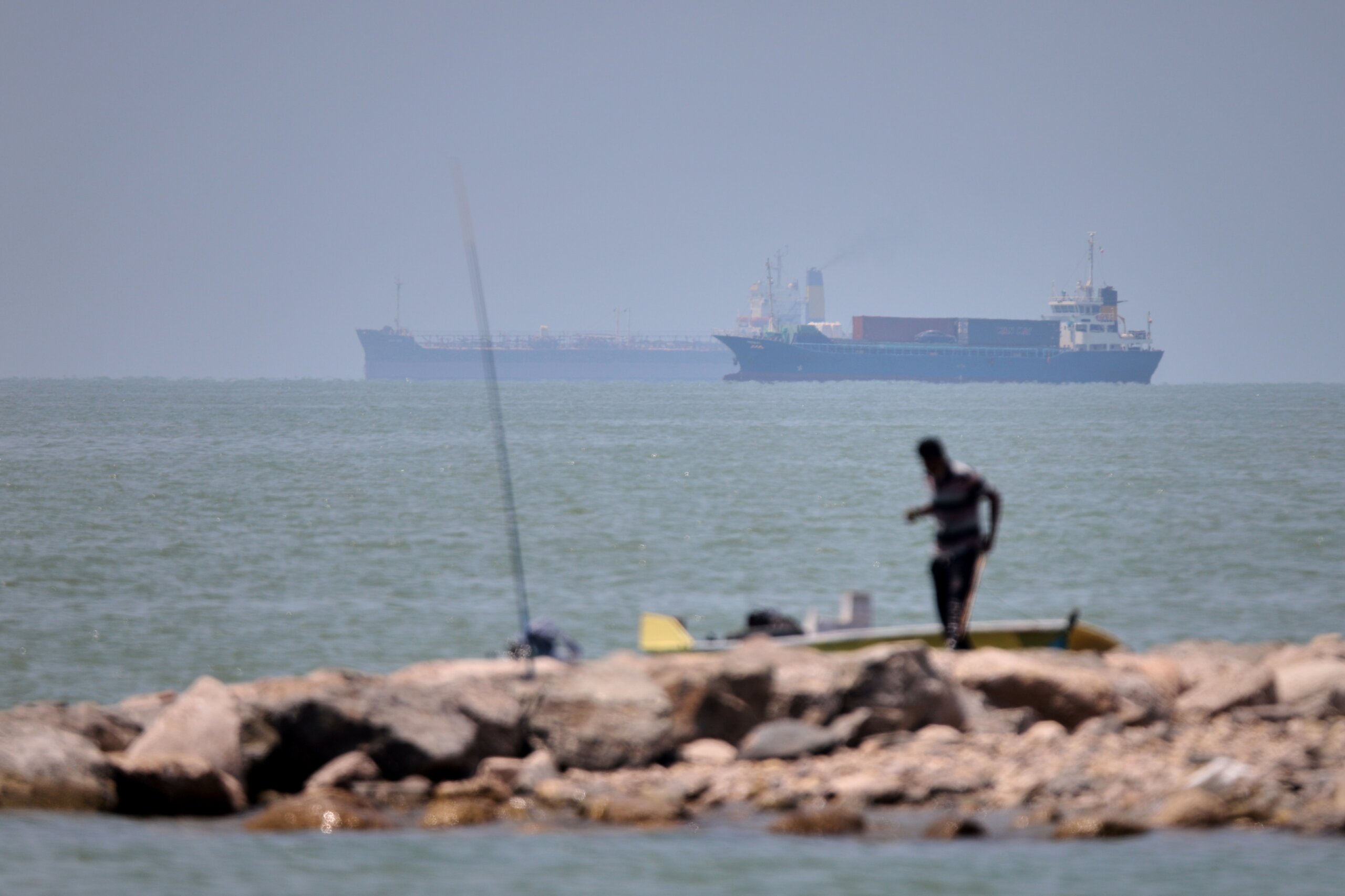
DUBAI, United Arab Emirates (AP) — Iran's paramilitary Revolutionary Guard launched drone and missile attacks Sunday targeting Bahrain and Kuwait in response to U.S. airstrikes that hit the Islamic Republic, and threatened a “complete halt” could come to negotiations to end the war if Washington continues its attacks. Efforts to reopen the Strait of Hormuz, the narrow mouth of the Persian Gulf that once carried a fifth of the world's oil and natural gas, without Iran's direct oversight sparked the crossfire now gripping the region. A multinational maritime body overseen by the U.S. Navy said Saturday that it would expand a route near Oman in the Strait of Hormuz to allow for both inbound and outbound traffic — setting up a new flashpoint with Tehran. Iran insists it alone must govern the strait after the war, upending decades of the world considering that the strait was international waters free for all, despite its sitting in Iran and Oman's territorial waters. Tehran has twice attacked vessels going through the Oman route, backed by a United Nations agency, in recent days. Early Sunday, the U.S. military’s Central Command said it struck Iranian military “surveillance infrastructure, communication systems, air defense sites, drone storage facilities and minelayer capabilities” following an attack on a ship at sea early Saturday morning. That ship, the Panamanian-flagged tanker Kiku, carried crude oil for the state-run energy company of Qatar, a key negotiator between Iran and the United States.
Read Next Story