
Pakistan’s cultural capital erupts in color as kite-flying Basant festival ends 20-year hiatus

LAHORE, Pakistan (AP) — A burst of color lit up Lahore’s night sky overnight as Pakistan’s cultural capital relaunched the Basant kite-flying festival after nearly two decades.

Authorities said Friday that the celebration has been allowed only under strict safety regulations, warning that the use of hazardous kite strings that endanger lives could lead to arrests.

Kite-flying had been banned in the province since 2005 following a series of fatal accidents. Razor-sharp metal- or glass-coated strings used in competitive kite fighting killed about a dozen people, mostly motorcyclists and bystanders two decades ago, prompting the government to impose broad restrictions across Punjab and effectively halt Basant.

This year, officials say strict safety measures are in place.

Motorcyclists are required to install tall, antenna-like metal rods on their bikes to prevent airborne strings from causing injury. The provincial government also declared a two-day public holiday to reduce traffic and lower accident risks.

The government of Punjab Chief Minister Maryam Nawaz Sharif recently lifted the ban, emphasizing that the festival’s revival would be strictly regulated and violators could face fines or imprisonment.

As midnight marked the start of the two-day celebration, rooftops across the city came alive with families and friends launching vibrant kites into the cool night air.

“We’re finally seeing it again after so many years,” said Ashfaq Ahmed, 23, flying a kite from his rooftop in Lahore’s old city. “If people avoid dangerous strings, hopefully this joyful festival can continue safely in the future.”
Iran attacks Bahrain and Kuwait following US strikes, threatens to end talks to end the war

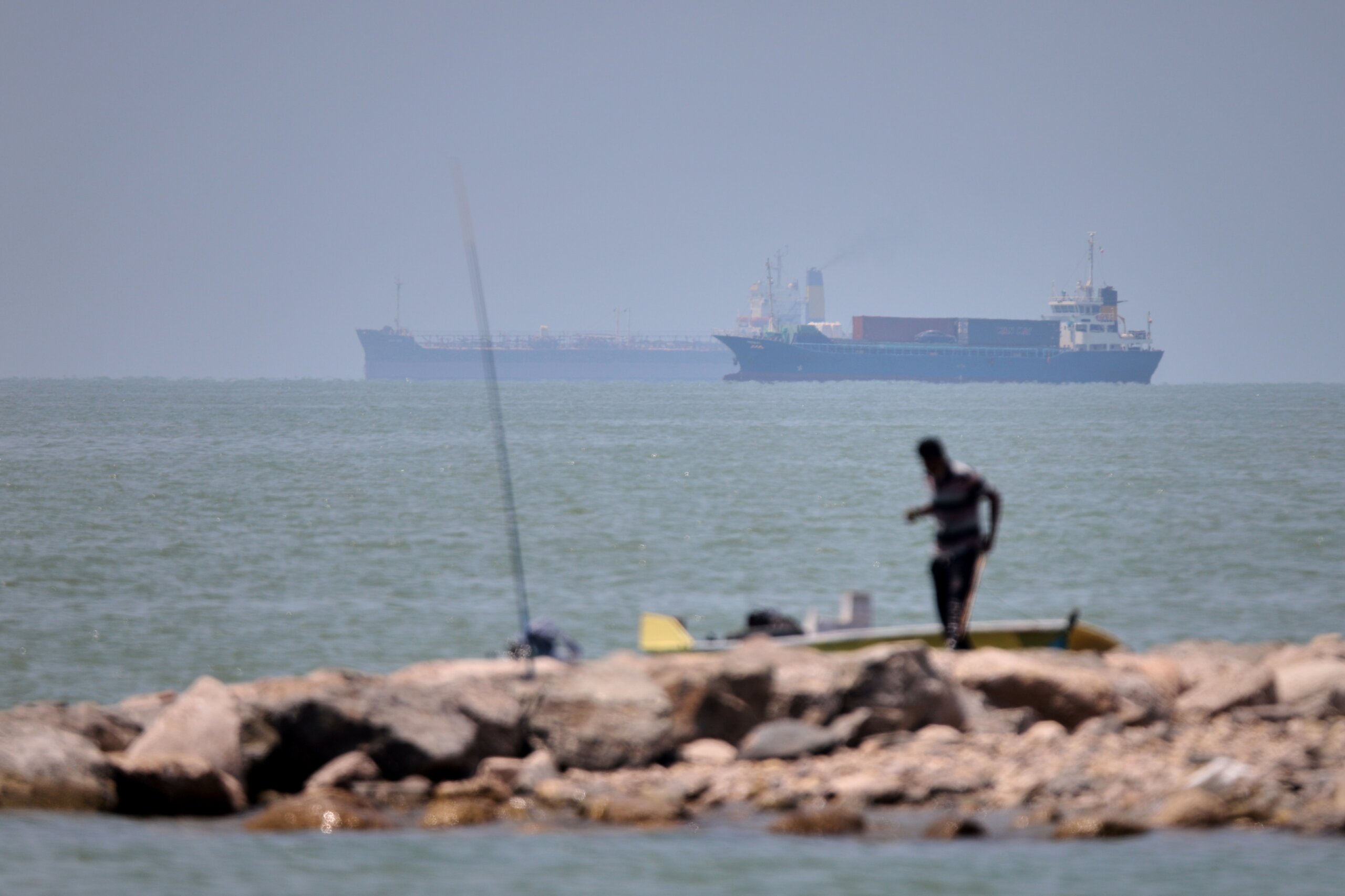
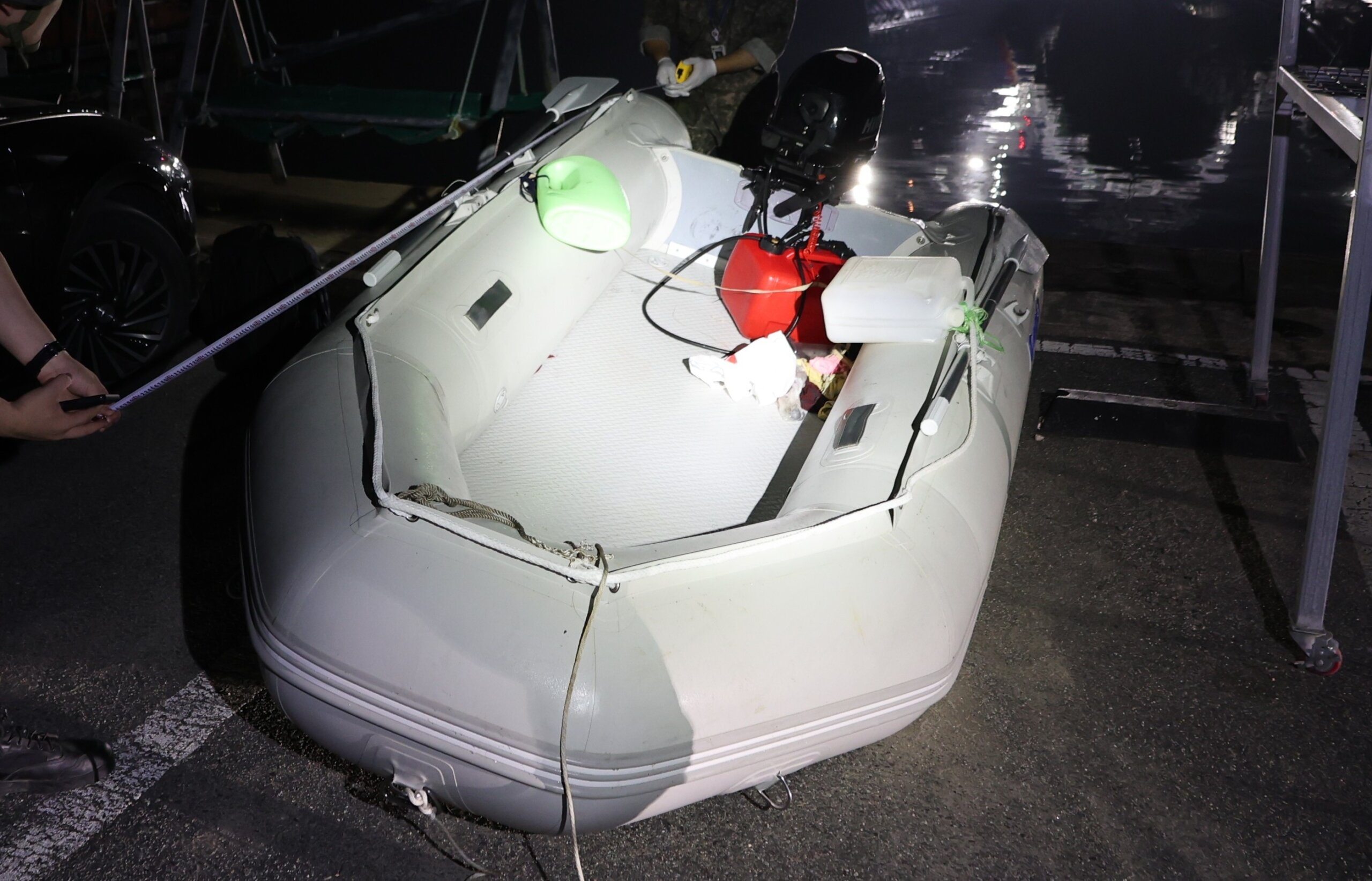
DUBAI, United Arab Emirates (AP) — Iran's paramilitary Revolutionary Guard launched drone and missile attacks Sunday targeting Bahrain and Kuwait in response to U.S. airstrikes that hit the Islamic Republic, and threatened a “complete halt” could come to negotiations to end the war if Washington continues its attacks. Efforts to reopen the Strait of Hormuz, the narrow mouth of the Persian Gulf that once carried a fifth of the world's oil and natural gas, without Iran's direct oversight sparked the crossfire now gripping the region. A multinational maritime body overseen by the U.S. Navy said Saturday that it would expand a route near Oman in the Strait of Hormuz to allow for both inbound and outbound traffic — setting up a new flashpoint with Tehran. Iran insists it alone must govern the strait after the war, upending decades of the world considering that the strait was international waters free for all, despite its sitting in Iran and Oman's territorial waters. Tehran has twice attacked vessels going through the Oman route, backed by a United Nations agency, in recent days. Early Sunday, the U.S. military’s Central Command said it struck Iranian military “surveillance infrastructure, communication systems, air defense sites, drone storage facilities and minelayer capabilities” following an attack on a ship at sea early Saturday morning. That ship, the Panamanian-flagged tanker Kiku, carried crude oil for the state-run energy company of Qatar, a key negotiator between Iran and the United States.
Read Next Story